
Bonding, veneers and whitening
Gaps and crooked-looking teeth: what bonding can camouflage
Composite can change the outline of an incisor and sometimes conceal a narrow gap or minor asymmetry.
Discover what could suit your smile
Whether you are thinking about colour, shape or a subtle change, a £30 consultation is a welcoming place to share your ideas, ask questions and explore a personalised approach.
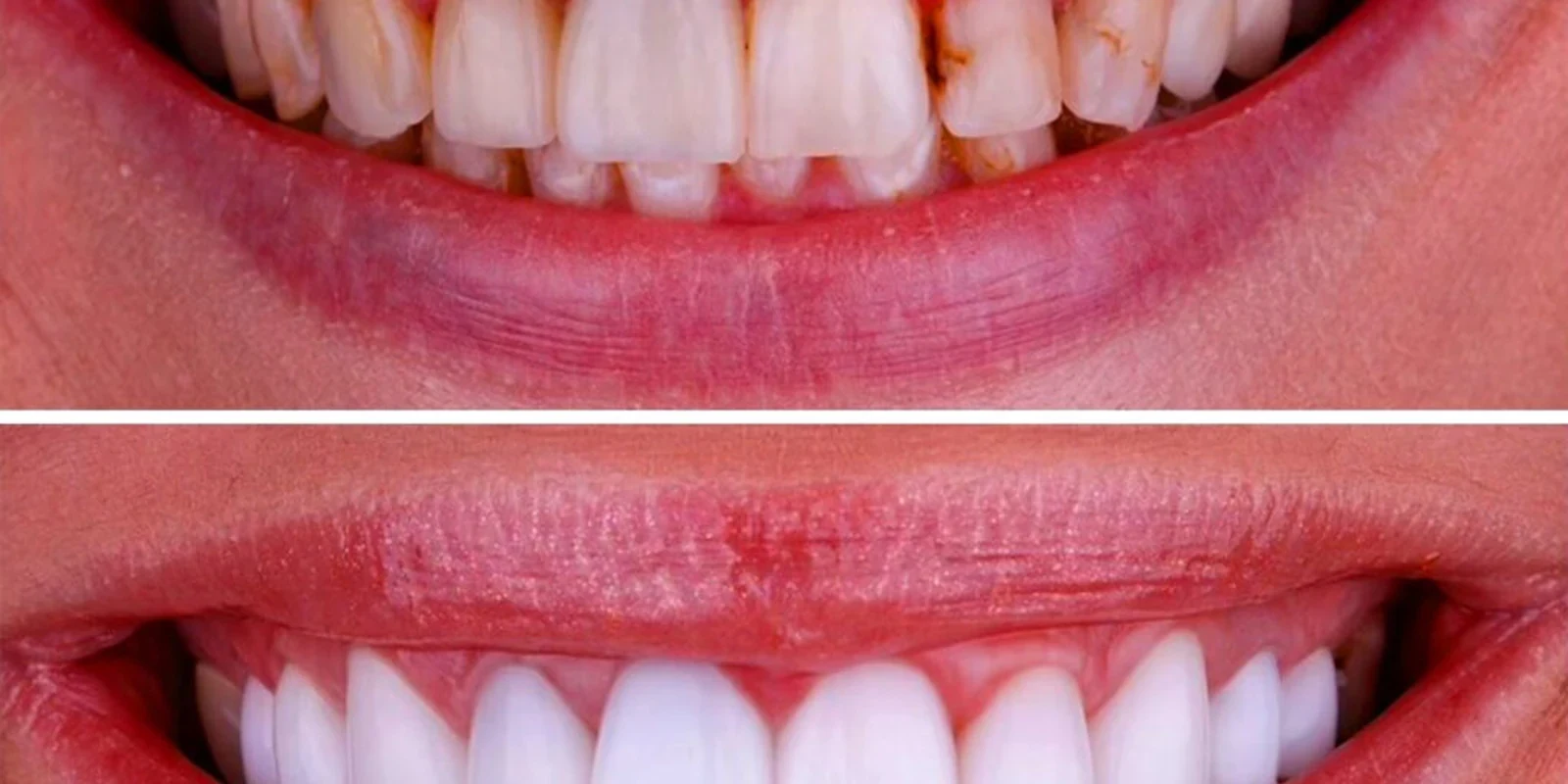
Composite can change the outline of an incisor and sometimes conceal a narrow gap or minor asymmetry. It does not move the root or correct a bite discrepancy. As a gap becomes wider, adding material can make teeth look unusually broad and can create a contact that is harder to clean. The first decision is therefore whether the discrepancy is one of shape or position.
Can composite bonding close a large front-tooth gap?
A gap can reflect tooth size or position, missing teeth, gum disease or a prominent attachment of the upper lip, called the labial frenum. The cause needs assessment before cosmetic closure. The dentist measures the gap and tooth proportions and checks where the new contact would sit in relation to the gum between the teeth. Bonding widens the crowns rather than moving the roots; large additions can make central incisors look square or too broad and create plaque-retaining contours. Aligners, other orthodontic treatment or a combined approach may distribute the space more favourably. Even when the main gap closes, a dark triangle can remain near the gum. A preview should show proportions and cleaning access, not just the absence of a space.
Can composite bonding make crooked teeth look straighter?
Bonding may disguise a slight rotation by changing the visible outline, but it cannot move a displaced root or correct an interference in the bite. Added resin can make a crowded or protruding tooth too thick and harder to clean. Front, side and lower-angle views of a trial shape help reveal that bulk. Compare the proposed camouflage with moving the teeth: orthodontics is usually more appropriate when the underlying displacement is substantial, while a small edge adjustment may be enough for a minor shape concern.
Why a gum triangle may remain
For example, closing a space at the biting edges can still leave a dark triangle beside the gum if tissue does not fill the area below the contact. Orthodontic movement may sometimes position that contact more favourably than simply widening the crowns. The finished result should allow floss to pass without shredding and should have no overhanging resin edge.
When a gap is too wide to close with resin alone
A wider gap requires more added tooth width, so the incisors can look oversized even though the space has closed. A contact positioned too close to the biting edge can also leave a visible or food-trapping triangle near the gum. This is why judging the planned proportions matters as much as measuring the gap.
A gap that has opened recently needs investigation. Loss of gum support, tooth movement and changed biting forces cannot be treated by hiding the space. Where the dental midline, root positions or overall proportions need correction, orthodontics may be preferable. A diagnostic mock-up can show the intended width when you speak and smile, helping you judge the limits before accepting bulky bonding or any irreversible enamel adjustment.
Judging the change at a natural distance
You may prefer a modest improvement without orthodontics, and that preference belongs in the decision. View a mock-up from a normal conversational distance as well as close up. If closing the space with resin would create poor proportions or awkward contacts, moving teeth before bonding may better meet your aims for appearance and function.
Sources for further reading
Your next step, when you’re ready
We would be pleased to welcome you for a £30 consultation at your preferred Iconic Smiles practice. Bring your questions, and we can talk through the options that may suit you.
Any additional investigations and their fees will be explained before you decide.