
Healthy teeth and gums
After a long gap in hygiene care: sensitivity and what to expect
If it has been a few years since your last hygiene appointment, you are very welcome to come back. We can check your gums, explain what we find and recommend care that suits you.
Ask us about your teeth and gums
You can talk to our team about your concerns and what you would like to improve. A £30 planned-treatment consultation is a simple way to start exploring your options.
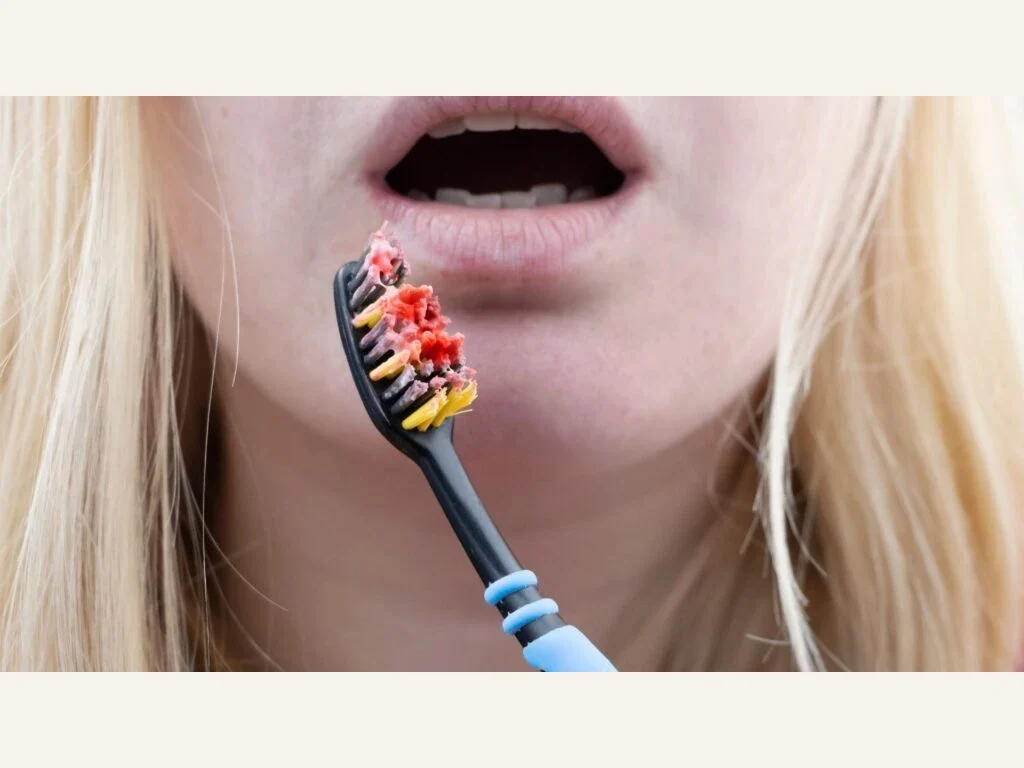
After a long gap in hygiene care, an assessment can establish whether you need routine cleaning or more detailed gum treatment. Deposits, inflammation and deeper changes cannot be judged by appearance alone. Removing tartar may leave already exposed root surfaces feeling sensitive, but severe or persistent pain should not automatically be attributed to cleaning.
What happens if you miss hygiene appointments for three years?
Three years without hygiene appointments does not diagnose severe gum disease. Pain may be absent even with periodontitis, and visible tartar alone does not show how much bone support remains. The dentist checks bleeding, deposits, pocket depths, attachment levels, decay risk and your current cleaning routine, using X-rays where indicated. Some people need straightforward tartar removal; others need further gum assessment and staged treatment. The findings determine whether one or several visits are appropriate. Bleeding or loose teeth need assessment in their own right, and harsh scraping at home is best avoided.
Why are teeth sensitive after a hygiene appointment?
After tartar is removed, recession or previously covered root surfaces can become more sensitive. That does not necessarily mean enamel has been removed. The team needs to know which teeth hurt, how long discomfort lasts and whether cold, touch or biting triggers it. Existing erosion, decay, a crack or another dental problem may be responsible instead. Mild, short-term sensitivity may respond to adapted technique and desensitising advice. Severe, increasing, spontaneous or prolonged pain, swelling or pain focused on one tooth needs review rather than being assumed to be a normal effect of the appointment.
When the first visit identifies a need for gum treatment
For example, your first appointment may reveal gum disease needing more time than the original booking allows. The priority then is to assess and begin treating it, even if cosmetic stain removal must wait. You should understand which deposits have been removed, which areas need further care and how home cleaning can reduce build-up. If treatment is uncomfortable, later visits may use different instruments, desensitising advice or a staged approach.
A safe return to hygiene treatment
Returning to care starts with a baseline: the team records gum health and, where needed, bone levels on X-rays before planning comprehensive cleaning. Photographs show surface deposits but cannot establish pocket depth or the extent of disease. Acutely inflamed gums may need assessment and the first stage of treatment rather than a promise to complete everything in one sitting.
The return-to-care plan should include a way of cleaning between your teeth that you can manage and a recorded interval for reassessment. If sensitivity develops, describing its trigger, location and duration helps the team decide whether advice is enough or the tooth needs examination. Swelling, pain on biting, spontaneous pain or symptoms that persist need clinical review.
Leaving with a manageable care plan
The useful outcome is a clear assessment and a manageable maintenance plan, alongside cleaner teeth. The team can explain whether routine care is sufficient, whether further gum treatment is needed and which symptoms should prompt contact between visits. Persistent pain, swelling or marked bleeding deserves review.
Sources for further reading
Your next step, when you’re ready
We would be pleased to welcome you for a £30 consultation at your preferred Iconic Smiles practice. Bring your questions, and we can talk through the options that may suit you.
Any additional investigations and their fees will be explained before you decide.