
Bonding, veneers and whitening
How Composite Bonding Is Placed: Isolation, Shaping and Same-Day Treatment
The visible final polish is only one part of a bonded restoration. The quality of the adhesive interface depends on a clean tooth surface and control of moisture while the material is placed.
Discover what could suit your smile
Whether you are thinking about colour, shape or a subtle change, a £30 consultation is a welcoming place to share your ideas, ask questions and explore a personalised approach.
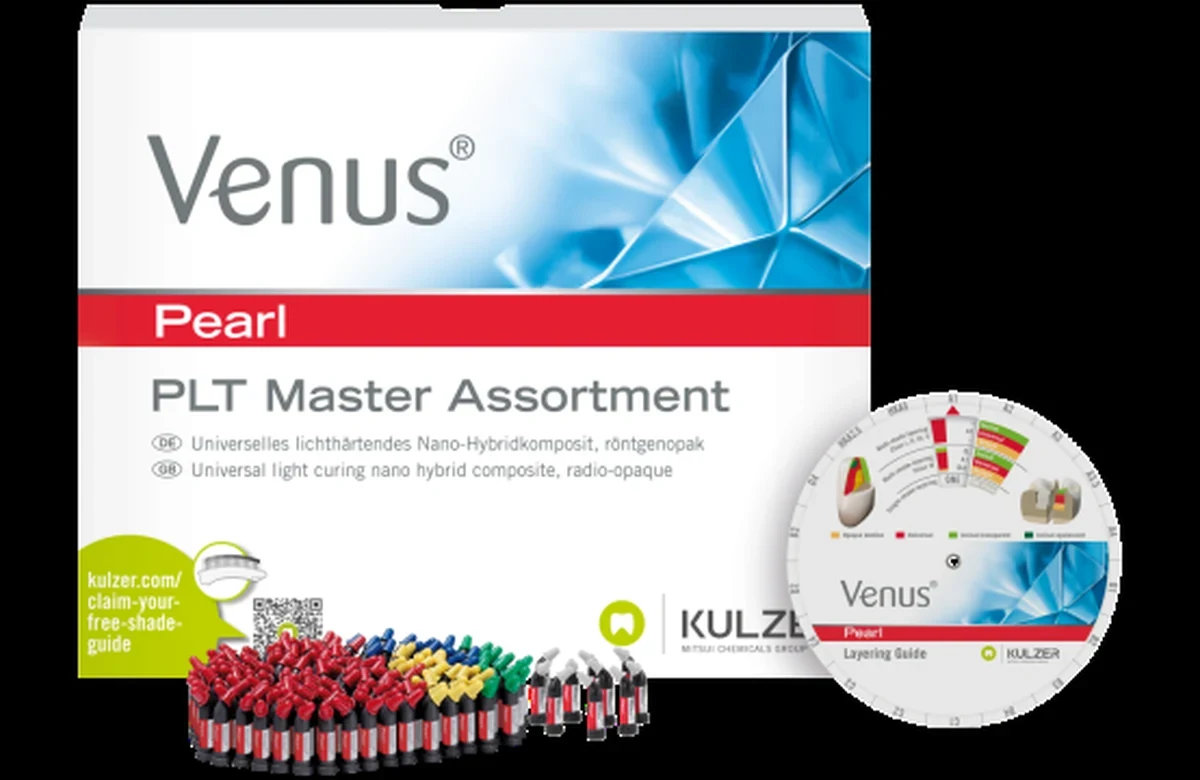
Composite bonding is placed on a clean, carefully isolated tooth, shaped to rebuild the required area and then finished and polished. Keeping moisture away helps the resin bond to the tooth. Clear matrices help form tooth walls and contacts, while isolation methods may include a rubber dam where suitable. Some treatment can be completed in one appointment; more complex planning may need separate visits.
Can composite bonding be completed in one visit?
One-visit treatment may be realistic for modest additions on healthy teeth and gums where the bite is straightforward. Planning and consent may still need a separate appointment. More extensive work can require photographs, trial shapes, whitening, gum care or orthodontics before bonding begins, or several visits to design changes in shape and bite. Shade selection, changes as teeth dry, moisture control, contact shaping and bite checks all take time. The quotation should explain whether finishing, polishing, bite adjustments and a review are included, and how a minor adjustment afterwards would be handled. Completing the bonding in a day does not remove its future maintenance needs.
Rubber dam use in anterior composite bonding
Saliva and blood can interfere with resin bonding to prepared enamel and dentine. A rubber dam is a sheet used to isolate teeth; it can help control moisture, improve visibility and protect soft tissues during longer or demanding procedures. Suitability depends on access, gum position, the treatment design, comfort and safe placement. Other methods may be appropriate if a dam is impractical. The important point is how the tooth will be kept clean and dry, particularly at margins close to a bleeding gum; the absence of a rubber dam alone does not establish poor care.
Why does the dentist use a clear strip when bonding front teeth?
A clear matrix strip provides a temporary form while resin is placed, helping create a smooth tooth wall, a curved contour and a contact with the next tooth. It also keeps neighbouring teeth from being bonded together. Different matrices suit different spaces and restorations. Their placement and the finishing checks matter: a bulky ledge, an open contact or an overly tight contact can cause food packing or gum irritation. Before the appointment ends, the dentist checks the shape and contact width, makes sure floss passes normally and confirms that you can clean beside the gum.
Keeping the surface dry and shaping the contact
These materials have different jobs. An isolation sheet controls moisture around the tooth, while a transparent strip helps shape the restoration between teeth. After shaping, the dentist checks the result with floss and in the bite. You should also receive practical cleaning advice and know how to arrange a review if an edge feels rough.
Allowing time for planning and finishing
Before booking treatment, it is helpful to understand the stages included and how long planning, placement and finishing are expected to take. A comfortable result should allow cleaning and should not change the bite unexpectedly. The appointment length needs to allow proper diagnosis, shade selection and contouring, rather than make speed the measure of quality.
Further questions to consider before treatment
- Shaping and polishing influence the final surface finish; the treatment plan should explain what finishing is included.
- The material contributes to appearance, alongside the dentist's planning, shaping and polishing.
- Enamel and dentine are different bonding surfaces, so the assessment should explain which tissues are involved and how healthy tooth will be preserved.
- Curing the composite correctly is one of the essential placement steps, alongside preparing, shaping and finishing it.
- A technical filler label alone cannot tell you whether a composite suits your tooth and the appearance you want.
- The proposed material and its final polish both contribute to the intended appearance.
- Layering techniques vary with the restoration; the useful explanation is why a particular approach suits the tooth being treated.
- The adhesive system is one part of treatment. Tooth preservation, suitability and the finished restoration also matter.
Further clinical details: Why a Dry Working Field Matters for Composite Bonding and Veneers
A dry working field helps adhesive restorations bond reliably to the tooth. Saliva or bleeding at a critical stage can interfere with that bond. For composite, veneers or an adhesive bridge, controlling the surface is therefore part of placement, alongside selecting shade and finishing the visible shape.
What the adhesive actually joins to
Enamel and dentine need different bonding approaches. Enamel is highly mineralised and often provides a favourable etched surface; dentine contains more water and organic material. Previous fillings or wear may leave several surfaces in the same tooth. The technique must suit each one, which helps explain why enamel preservation and stable margins matter when planning cosmetic work.
Saliva can interrupt the crucial stages
Conditioning the surface, applying primer and adhesive, and curing with light are controlled stages. Saliva or blood contamination may mean cleaning and reconditioning the area or repeating a step. Cotton rolls, suction, retraction or a rubber dam can help control moisture, according to the procedure. Inflamed gum margins can make that harder, so the aim is reliable control throughout bonding rather than one particular isolation method in every case.
Gum health can change the timing of cosmetic work
Bleeding gums near a planned veneer or bonding margin can interfere with moisture control and finishing. If gum inflammation is present, the dentist may recommend hygiene and periodontal stabilisation before elective cosmetic treatment. A healthy tissue margin is also important for photography, shade assessment and shaping a restoration that can be cleaned. Patients should not view this sequence as unnecessary delay. It can create the conditions for a more accurate restoration and avoid placing material against a swollen gum contour that may later change.
Why rubber dam is sometimes helpful
A rubber dam is a flexible sheet placed around selected teeth to separate them from saliva and soft tissues. It can improve access and moisture control for many adhesive procedures, though use depends on the location and clinical circumstances. The clinician still needs to prepare surfaces and manage the dam correctly; its presence alone does not guarantee a good result. If a procedure is being carried out without it, there may be other isolation methods available. The relevant question is whether the dentist can maintain appropriate control throughout the adhesive stages.
Light curing is part of the material science
Many composites and adhesives set under a curing light through a process called polymerisation. Light access, exposure time and layer thickness affect whether this happens adequately. Thick layers or an unsuitable ceramic over the cement may limit light transmission. Thin veneers may use light-cured bonding cement, while other restorations need a different system. The team chooses the chemistry; for you, the practical point is that placement and curing matter alongside the polish.
Bonding quality and restoration design are linked
A strong adhesive interface cannot compensate for an overbuilt edge exposed to inappropriate biting forces. Likewise, a beautiful shape is of little value if it cannot be kept clean or if the dentist cannot control the margin during placement. The restorative plan should consider enamel preservation, gum contour, bite and isolation together. Ask whether any old fillings must be replaced, whether the planned veneer margins will remain in enamel and whether the sequence includes gum treatment first. Those answers reveal a more meaningful treatment philosophy than the brand name of the bonding resin.
What to expect from a good consultation
The plan should explain why composite, porcelain or no new restoration is appropriate, including surface preparation, possible anaesthetic, moisture control and final shade and bite checks. Good isolation helps control one part of the process without making the restoration permanent. Continuing care and a maintainable design still belong in the decision.
References and further reading
Book an assessment
The practices are in Hatfield and Cheshunt in Hertfordshire, and Friern Barnet in North London. For travel from Bedfordshire, Buckinghamshire or Essex, confirm the actual practice and any sites involved in later stages.
Editorially updated: 27 October 2026.
Sources for further reading
Your next step, when you’re ready
We would be pleased to welcome you for a £30 consultation at your preferred Iconic Smiles practice. Bring your questions, and we can talk through the options that may suit you.
Any additional investigations and their fees will be explained before you decide.