
Bonding, veneers and whitening
How Dental Specialists Coordinate Complex Treatment
Complex dental problems may involve several interdependent areas—gum disease, orthodontics, endodontics, implant surgery and restorative care.
Discover what could suit your smile
Whether you are thinking about colour, shape or a subtle change, a £30 consultation is a welcoming place to share your ideas, ask questions and explore a personalised approach.
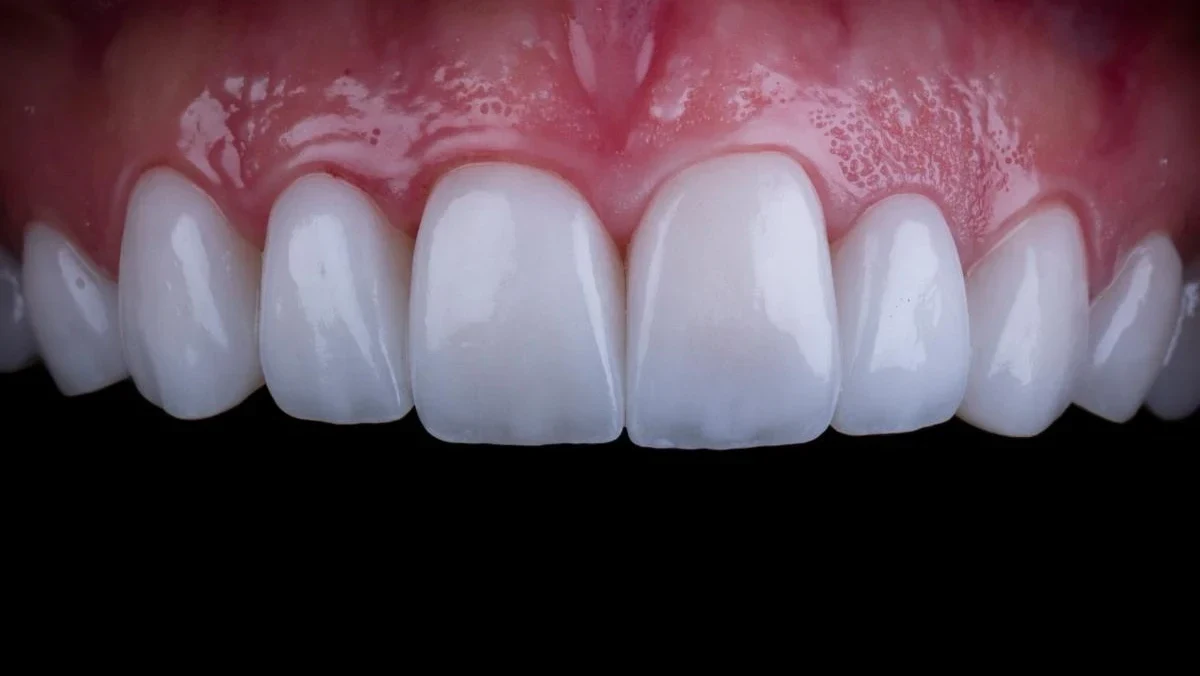
When treatment involves several dental disciplines, the clinicians need to agree the diagnosis, order of care and final goal together. Gum treatment, orthodontics, root-canal care, implants and restoration can affect one another. Coordinated planning helps you understand those relationships and compare the trade-offs in one overall plan.
Why problems rarely stay in one category
A missing tooth may require planning of neighbouring root positions, remaining gum and bone support, bite space, implant restoration and cleaning access. A worn smile can involve acid exposure, grinding, pulpal health and restorative dimensions. Treating only the most visible concern can create avoidable compromises later.
The importance of a shared diagnosis
The clinicians should share the relevant findings and priorities before planning their individual stages. For you, that should result in one understandable sequence. For example, agreeing tooth movement before an implant is positioned can prevent conflicting assumptions that otherwise add cost or limit the result.
Sequence determines what is feasible
Disease control and tooth preservation often precede elective alignment or definitive prosthetics. Orthodontics can create space for a restoration, while restorative design helps determine useful tooth positions. Periodontal stability must be considered throughout; a mechanically attractive option may still be biologically unmaintainable.
Communication is part of clinical quality
Clear referrals, shared records and imaging where appropriate help clinicians hand over care between stages. You should know who coordinates any change, including if a tooth cannot be retained or temporary work needs attention. Involving several disciplines does not mean everyone needs appointments with every clinician; the findings should determine the input required.
Aftercare needs one accountable plan
The final result may include natural teeth, crowns, implants, fixed retainers and a modified bite. Home cleaning and follow-up must cover the whole result, not separate components in isolation. Maintenance responsibilities and access for repairs should be established before definitive treatment begins.
What to ask in a complex consultation
Before proceeding, establish who coordinates treatment, how changes will be communicated and what could alter the sequence after stabilisation. A smaller intervention may be a reasonable alternative. The overall plan should bring those recommendations together so you can assess them without having to reconcile separate opinions yourself.
Coordination prevents treatment stages from contradicting one another
An orthodontist may plan where teeth should finish, a restorative dentist may plan a crown or bridge, and a surgeon may assess available bone. If those decisions are made separately, space can be closed where a replacement tooth was intended, or an implant can be positioned in a way that makes the final crown difficult to clean. Similarly, untreated gum disease may compromise a later cosmetic or implant plan. A multidisciplinary approach means the clinicians have agreed one sequence of treatment, not simply that a practice employs several people.
The patient should know which professional is responsible for diagnosis, each technical stage and long-term follow-up. Ask how information is transferred between visits, what happens if a preliminary stage changes the plan, and whether the overall quotation captures laboratory work, temporary restorations and contingencies. More specialists are not automatically better for every case; the complexity of the actual problem should justify the level of coordination.
A coherent plan considers conservation of natural teeth, reasonable alternatives and future repairability. It should remain understandable to the patient even when several clinicians contribute.
One treatment sequence, one accountable plan
Where different clinicians contribute to treatment, a written plan should identify who coordinates it, how one stage affects the next and which decisions require re-evaluation. For example, orthodontic movement may change available implant space, and periodontal stabilisation may determine whether a tooth can support a final restoration. Without a named coordinator, a collection of technically competent procedures can still produce an incoherent overall result.
Coordination also concerns what happens after treatment
When a periodontist stabilises gum disease, an orthodontic clinician moves teeth and a restorative clinician provides the final crowns, they should agree which findings trigger a change of plan. An implant cannot be moved through bone after placement in the way a natural tooth can, so spacing and restorative requirements often need to be resolved first. Likewise, definitive ceramics may be vulnerable if the underlying bite is still changing.
Aftercare needs an identified clinician or team to coordinate monitoring, even when individual procedures take place elsewhere. The handover should include records, cleaning and maintenance needs, review points and a route for help with a temporary bridge, retainer or implant concern. These arrangements belong in the plan before final treatment begins.
Sources and professional guidance
Applying the information:
Your next step, when you’re ready
We would be pleased to welcome you for a £30 consultation at your preferred Iconic Smiles practice. Bring your questions, and we can talk through the options that may suit you.
Any additional investigations and their fees will be explained before you decide.