
Bonding, veneers and whitening
When Should You Wait Before Cosmetic Dentistry? A Guide
Elective cosmetic dentistry is often planned around an important birthday, wedding, job change or holiday.
Discover what could suit your smile
Whether you are thinking about colour, shape or a subtle change, a £30 consultation is a welcoming place to share your ideas, ask questions and explore a personalised approach.
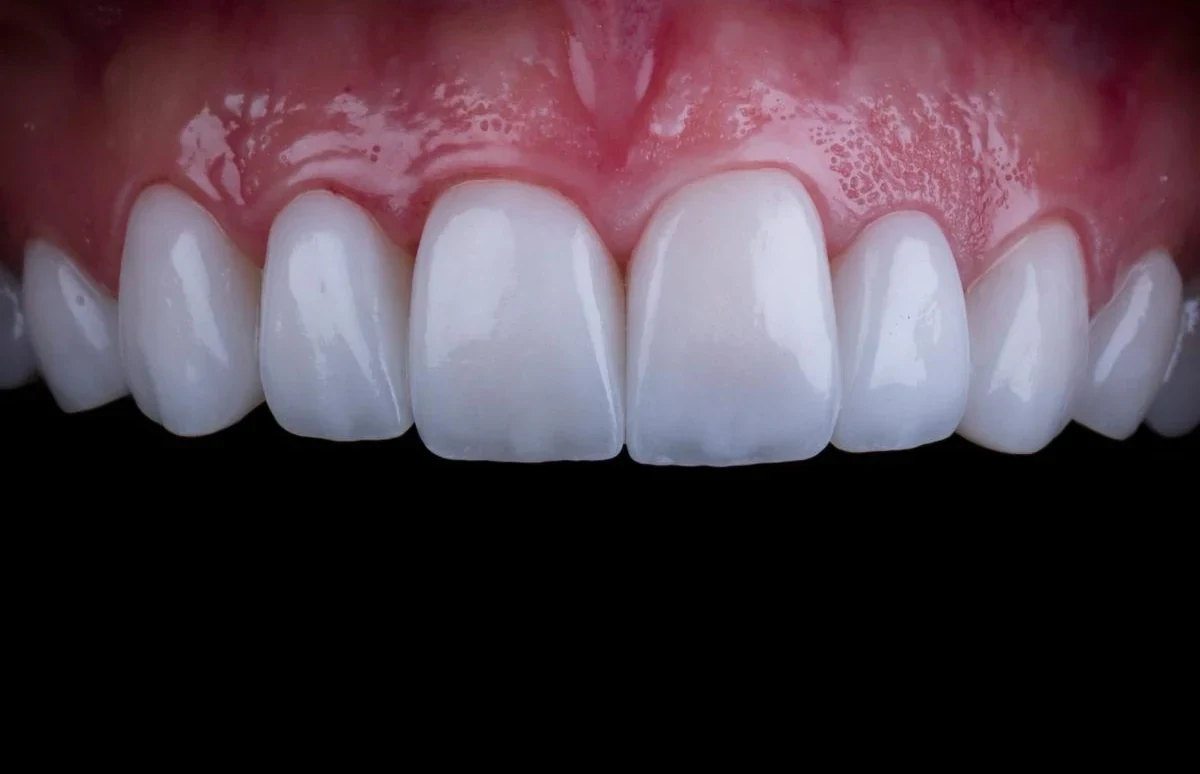
It can be sensible to wait before cosmetic dentistry if your gums need treatment, your teeth need moving or a whitening stage has yet to finish. Whitening, Invisalign, bonding and veneers follow different sequences. If you are planning around a wedding, birthday, new job or holiday, doing less initially may be the better choice. Rushing can mean unnecessary enamel removal, a colour mismatch or changes made before the bite has been assessed. The plan should explain when to begin as well as what can be done.
Gum health comes before final ceramic work
Bleeding or inflamed gums can make impressions less accurate, make it harder to keep treatment surfaces dry and affect how restoration edges look. Gum disease may need treatment and reassessment before crowns or veneers. As inflammation settles, the gum contour can change, so choosing final margins and shades too soon may compromise the appearance. You should know what needs to improve and when it will be checked again.
Whitening needs to be sequenced with restorations
Whitening can lighten natural tooth tissue but will not change the colour of existing composite bonding, ceramic crowns or veneers. If you intend to whiten and then have bonding on several front teeth, it is usually important to plan shade selection after the natural teeth have reached an appropriate, stable colour. Otherwise the new resin may no longer match the surrounding enamel. The clinician should also assess whether the teeth and gums are suitable for whitening. The NHS advises professional supervision and notes that tooth whitening is not suitable for every patient. A short deadline should not override those checks.
Orthodontics can make later dentistry more conservative
A crooked or rotated tooth may be cosmetically reshaped with composite or porcelain, but trying to disguise its position can produce a bulky restoration or require unnecessary enamel reduction. Invisalign or another orthodontic approach can sometimes place the tooth in a better position before colour and shape are refined. This is a longer route, so it may not suit a last-minute event; nevertheless, the patient deserves to know the option exists. When an implant or bridge is also planned, tooth movement can be especially important for creating suitable space and bite relationships before the restorative stage.
A trial smile helps avoid irreversible surprises
Photographs, scans and a physical mock-up can help you and the dentist assess tooth proportions and how the proposed edges sit against your lips. Ceramic treatment involves preparation and laboratory work, with consequences that a photograph cannot show. Establish whether the design needs enamel removal and what it could mean for speech or chewing. If you are unsure about a substantial change, a reversible mock-up or a smaller conservative adjustment may help clarify your aim before committing to several veneers.
When medical or practical circumstances affect the plan
Pregnancy, active dental disease, certain medications, recent surgery or an inability to attend follow-up appointments may change the timing of elective care. A dentist should assess the individual situation rather than rely on a universal rule. Extensive restorations can require trial periods, temporary teeth or staged reviews. If a patient will be abroad immediately after treatment, the opportunity to assess comfort and carry out adjustments may be reduced. Planning around travel is reasonable, but the dental team should never promise guaranteed readiness for a particular event without understanding the clinical workload.
Agree priorities, stages and contingency costs
Agree what can safely be achieved by your deadline, the order of treatment and which stages can wait. A written estimate should separate whitening, orthodontics, bonding, laboratory ceramics and reviews so you can consider the timing and cost of each. A staged approach may suit your preferences and finances. The useful measure is whether the plan protects healthy tooth structure and produces a smile you will be comfortable with after the event, rather than how many teeth can change in one visit.
Evidence and further reading
- NHS: teeth whitening eligibility and limitations
- European Federation of Periodontology: S3 clinical guidelines
- British Orthodontic Society: choosing orthodontic treatment
The practices are in Hatfield and Cheshunt in Hertfordshire, and Friern Barnet in North London. If travelling from Bedfordshire, Buckinghamshire or Essex, use the actual clinic address on your confirmation.
Your next step, when you’re ready
We would be pleased to welcome you for a £30 consultation at your preferred Iconic Smiles practice. Bring your questions, and we can talk through the options that may suit you.
Any additional investigations and their fees will be explained before you decide.