
Bonding, veneers and whitening
Is Cosmetic Dentistry Worth It? A Patient Guide
Cosmetic dentistry may help meet a personal aesthetic goal, but “worth it” depends on the individual benefit, biological cost, likely maintenance and alternatives.
Discover what could suit your smile
Whether you are thinking about colour, shape or a subtle change, a £30 consultation is a welcoming place to share your ideas, ask questions and explore a personalised approach.
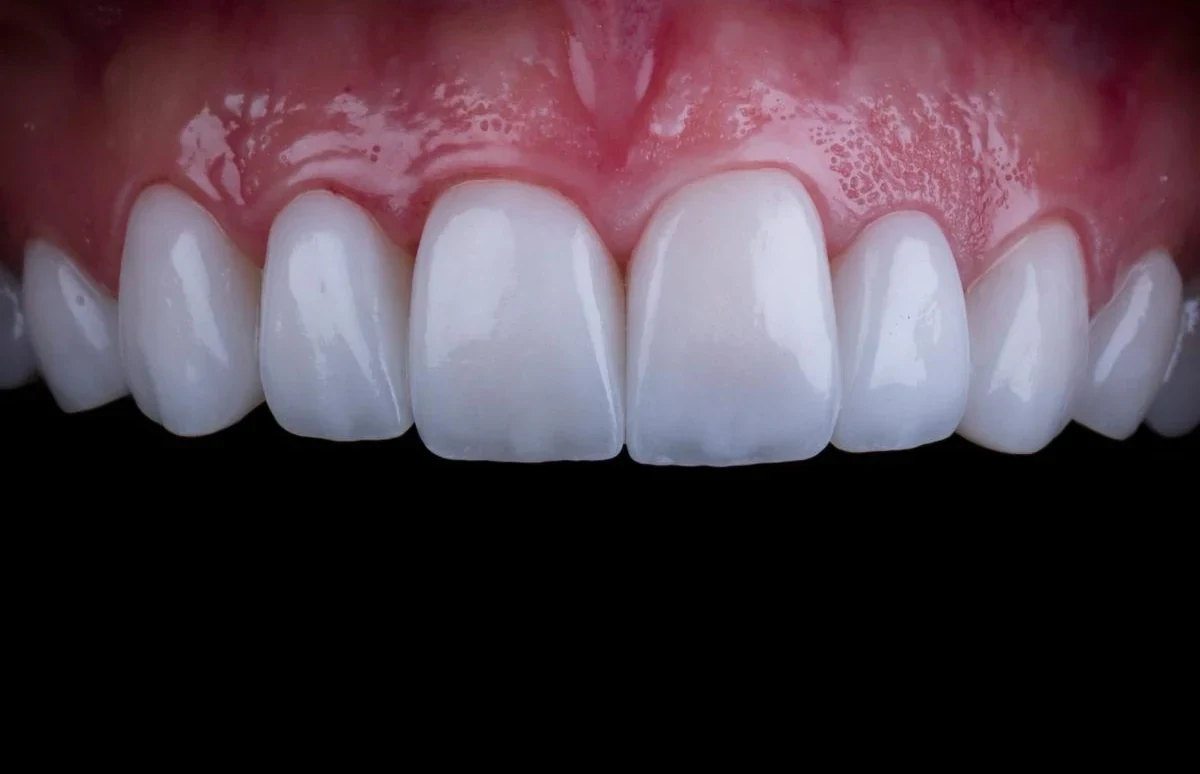
Cosmetic dentistry may be worthwhile if the improvement you want justifies the treatment, cost and continuing care. A small addition and extensive irreversible preparation involve very different commitments. The decision should reflect your oral health and preferences, including how much healthy tooth would change and whether a simpler option could meet your goal.
Define the actual problem to solve
A colour concern, uneven edge, spacing issue or tooth wear may lead to very different plans. The examination should establish whether the appearance reflects healthy variation, disease, a functional issue or an elective preference. Treating a small concern with extensive restorative work can commit healthy teeth to a long replacement cycle unnecessarily.
Compare the least invasive options
Professional cleaning, appropriate whitening, orthodontic movement, selective bonding or no procedure may be sufficient for some goals. Veneers and crowns involve other trade-offs, including preparation, laboratory stages and future replacement. Every choice needs to account for the amount of sound tissue affected and the condition of the gums and bite.
Appearance is not a guaranteed fixed endpoint
Shade, translucency, light, face and gum movement influence aesthetic perception. Restorations can stain, chip, debond, wear or differ as neighbouring teeth change. Before-and-after photos should be genuine and comparable; a generated simulation cannot establish what the patient will experience years later.
Maintenance is part of the investment
Regular cleaning, periodontal health, safe habits, occasional repair and eventual replacement may be needed. Grinding, acid exposure and smoking can influence some outcomes. Written discussion of maintenance costs and the implications of repairing a restoration matters more than a vague claim that a premium material lasts for life.
Think about reversibility
Whitening changes shade without altering tooth shape, while orthodontics moves teeth and requires retention. Additive bonding may preserve more structure than preparation-dependent ceramic, but still has upkeep. Once enamel is removed it does not regrow, so it is important to understand the next restorative cycle.
A good decision is informed rather than pressured
Before deciding, understand the expected improvement, suitable simpler alternatives, any irreversible changes and the consequences of leaving the teeth as they are. The goal should come from what you value about your own smile, with time to consider the options.
Value starts with the problem that matters to you
'Worth it' does not mean that the most noticeable treatment produces the most worthwhile change. Some people are unhappy with a single chipped edge; others want a coherent plan for colour, spacing and proportions. Translate that concern into a specific outcome before comparing treatments. If the teeth are healthy and the perceived defect is subtle, doing nothing is a legitimate choice. If a change would improve confidence and function, assess how much tooth structure must be altered to achieve it. A beautiful result can be poor value if it unnecessarily commits otherwise sound teeth to repeated replacement.
What would each option change about your teeth?
Cleaning or whitening may improve appearance without reshaping teeth. Orthodontics changes position and needs retention. Composite can often add shape with relatively little preparation, alongside later upkeep. Veneers offer different colour and surface possibilities and may resist some staining, but commonly need irreversible preparation. A crown may rebuild a heavily damaged tooth appropriately, while being excessive for a healthy front tooth with mild discolouration. Compare the healthy tissue affected and the future care as carefully as the initial fee.
Predict maintenance before judging longevity
Bonding can pick up stains, chip or need repolishing, particularly on edges under heavy contact. Ceramic restorations can fracture, debond or require eventual replacement; gum movement and changes in neighbouring teeth can alter the appearance of an otherwise sound restoration. Whitening commonly needs maintenance and can cause temporary sensitivity. These possibilities are not arguments against treatment, but they belong in a realistic lifetime calculation. Ask how the plan changes if you grind your teeth, have an acidic diet, develop recession or cannot attend regular hygiene visits.
Compare plans rather than promises
A useful consultation includes records of your actual teeth, realistic proportions, alternatives and a written estimate. If you try a mock-up, consider speech and whether the new edges interfere when you close. Assess any finance by the total payable as well as the instalment. Check current Iconic Smiles guide prices, with the precise treatment and number of teeth established after examination. The benefits should remain worthwhile to you when the limits and maintenance are clear.
Your next step, when you’re ready
We would be pleased to welcome you for a £30 consultation at your preferred Iconic Smiles practice. Bring your questions, and we can talk through the options that may suit you.
Any additional investigations and their fees will be explained before you decide.