
Bonding, veneers and whitening
White Spots on Teeth: Compare Conservative Treatments
Compare the causes of white spots on front teeth and the conservative treatment options a dentist may consider after assessing the enamel.
Discover what could suit your smile
Whether you are thinking about colour, shape or a subtle change, a £30 consultation is a welcoming place to share your ideas, ask questions and explore a personalised approach.
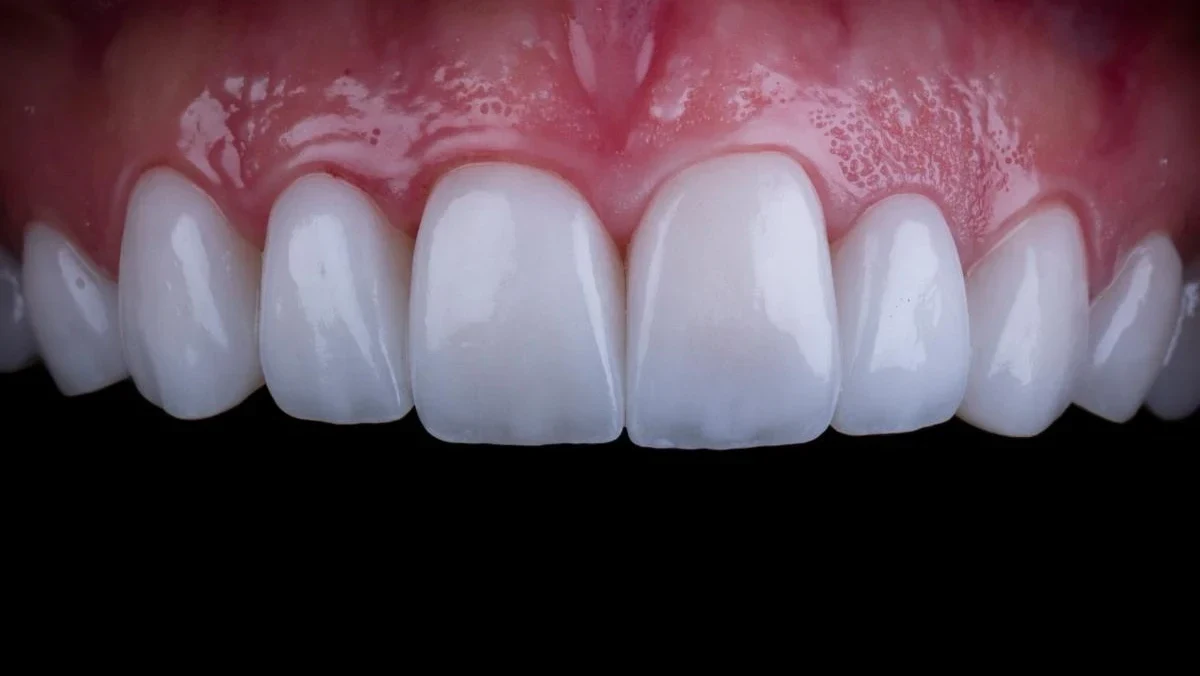
White spots may be managed with monitoring and remineralisation, microabrasion, resin infiltration or selected bonding, depending on the enamel. Developmental marks and areas that lost mineral, including after orthodontics, need different assessment. Whitening may increase contrast rather than make a patch blend in. The first step is to identify the cause and whether disease is active before choosing an appearance treatment.
Why white spots look different from surrounding enamel
Porous enamel scatters light differently because of microscopic spaces within it, making an area look chalky or opaque. Depth, thickness and the colour beneath affect how noticeable it is, especially when the tooth dries. A childhood mark may differ from one that appeared around a brace. The dentist needs to distinguish early active decay from a stable developmental change; masking colour cannot replace control of active disease.
Resin infiltration changes optics without building a new shape
In resin infiltration, the clinician prepares the superficial enamel according to the selected system and allows a very low-viscosity resin to penetrate suitable porous enamel. The aim is to reduce the visual contrast by modifying how the region transmits light, not to lay a thick tooth-coloured covering over it. The response varies with lesion depth and structure; a deeply opaque developmental defect may remain visible. Patients should see this as a potentially conservative masking technique rather than a promise that every mark will disappear in one visit.
Microabrasion and bonding operate differently
Microabrasion removes a carefully controlled superficial layer of enamel with an acid-and-abrasive system, so it can help selected marks close to the surface. Deeper or differently patterned changes may not suit it. Bonding can mask a more pronounced area, but may need preparation and careful choice of resin opacity. It also adds material to maintain. Improving cleaning or mineral balance may come first, with further stages chosen only where the expected appearance benefit justifies them.
The research shows improvement but not uniform predictability
Randomised clinical trials have compared infiltration with microabrasion for white-spot appearance. Some report better masking with infiltration at follow-up, while a more recent systematic review identified substantial variation in outcomes, small studies and limited follow-up. That mix of findings supports a realistic consultation: conservative approaches may improve appearance, but the exact visual result cannot be guaranteed from a published before-and-after photograph. A clinician should explain the relevant diagnosis and show examples similar to the patient's own enamel pattern.
Why whitening may be staged rather than performed first
Whitening changes the shade of surrounding teeth, whereas infiltration attempts to reduce local optical contrast. Depending on the shade goal, it may be sensible to address general tooth colour before final composite shade matching, but infiltration decisions need individual sequencing because whitening and dehydration can temporarily affect appearance. The team should assess colour in repeatable lighting and allow appropriate shade stabilisation where relevant. If the white spot sits beside a filling, the filling will not bleach like enamel and may need separate consideration.
Ask for the least invasive credible plan
Before veneers are chosen for a few patches, establish whether the enamel is healthy and whether infiltration or microabrasion offers a suitable alternative. Discuss the degree of improvement you would value, possible remaining visibility, enamel loss, maintenance and the need for stages. This helps choose the smallest intervention that can reasonably meet your goal.
Evidence and further reading
Balancing appearance and enamel preservation
The depth and cause of a white patch influence what a conservative treatment can achieve. Agree how much remaining visibility you would accept and what enamel alteration or maintenance each option involves.
Iconic Smiles practices are in Hatfield and Cheshunt in Hertfordshire, and Friern Barnet in North London. If travelling from Bedfordshire, Buckinghamshire or Essex, confirm the actual practice for each appointment.
Your next step, when you’re ready
We would be pleased to welcome you for a £30 consultation at your preferred Iconic Smiles practice. Bring your questions, and we can talk through the options that may suit you.
Any additional investigations and their fees will be explained before you decide.