
Bonding, veneers and whitening
White Composite Filling or Amalgam: How to Compare Restorations
Patients replacing a decayed or damaged back-tooth filling often want a natural-looking white restoration.
Discover what could suit your smile
Whether you are thinking about colour, shape or a subtle change, a £30 consultation is a welcoming place to share your ideas, ask questions and explore a personalised approach.
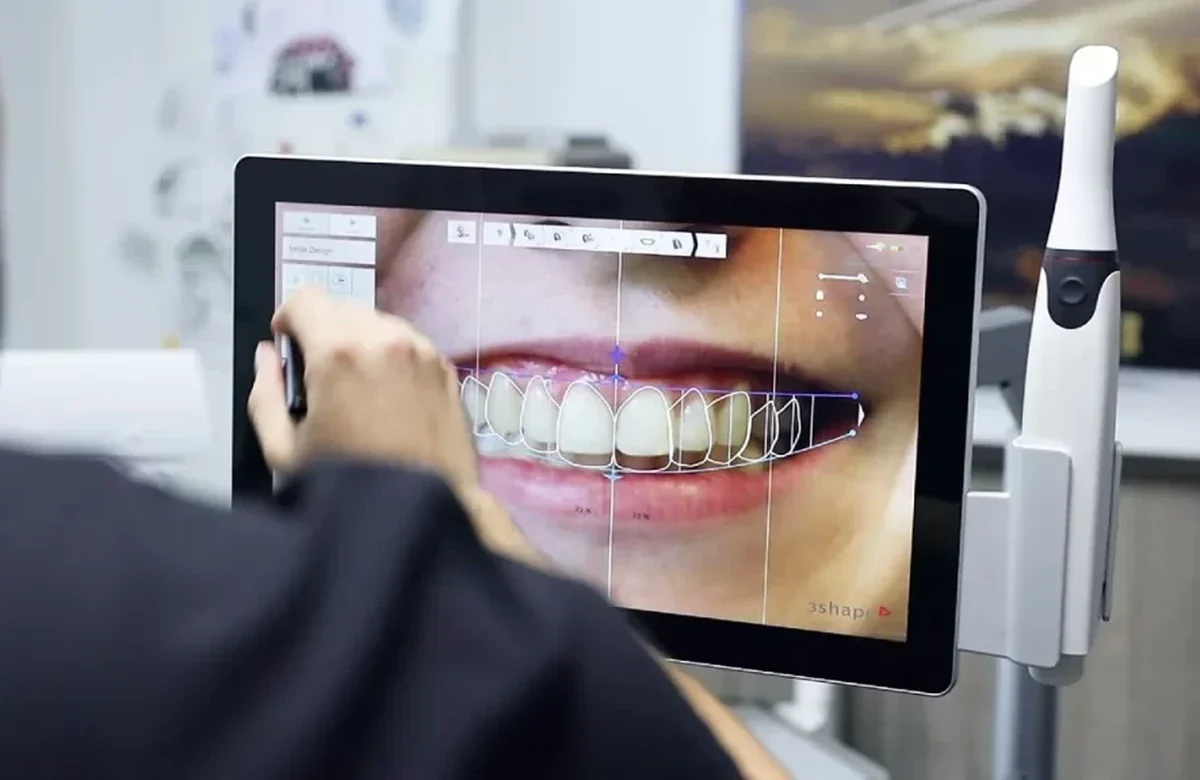
A white composite filling may suit a back tooth when the remaining structure, moisture control and bite allow a reliable bond and adequate support. Amalgam uses a different placement and retention method and has a metallic appearance. Before choosing by colour, establish the size of the defect and whether a direct filling is enough or a more protective restoration is needed.
Understand the cavity rather than only the material
A small to moderate defect with sound surrounding structure may be suitable for direct composite. A large broken cusp or heavily undermined tooth might need an onlay, crown or another reconstruction irrespective of the patient's preference for white material. Existing cracks, recurrent decay and the location of cavity margins can influence the ability to bond predictably. Radiographs may help when the diagnosis requires them, but the treatment plan should focus on remaining tooth structure.
Why isolation is important for composite
Composite bonding needs a clean surface and careful moisture control; saliva contamination at a critical stage can affect the bond. The resin is placed and hardened with light according to the material and cavity, then shaped for contacts and the bite. A shade match is one part of the result. The edges and chewing surface also need to work well and allow cleaning.
Comparing appearance and maintenance
Composite offers the ability to match tooth shade and may preserve structure in suitable cases. It can stain, wear or fracture and may sometimes be repaired locally. Amalgam is metallic in appearance and has different handling and retention requirements. The choice should account for patient preferences, current UK practice guidance and individual circumstances without exaggerating the safety or durability of either material. The dentist should explain what is proposed for the actual tooth rather than making a universal claim about all fillings.
Do sound old fillings need replacing?
An intact restoration does not automatically require removal because a new material looks more attractive. Replacement can sacrifice additional tooth tissue and may expose underlying cracks or deeper decay. Where a defect is localised, repair or monitoring may sometimes be appropriate. If the tooth genuinely needs significant restoration, the clinician should compare the benefits and drawbacks of a new direct filling versus partial-coverage ceramic or another option.
Ask about the life of the tooth
A useful consultation clarifies cavity size, how much natural structure remains, why the selected material is suitable and what will be checked after placement. The objective is a comfortable, maintainable tooth restored with the least invasive effective procedure, not simply a change of colour in the back of the mouth.
Compare the actual cavity, not just the filling colour
A small cavity on a premolar's chewing surface may suit composite after checks of enamel, moisture control and opposing tooth contacts. A large failing filling with thin remaining cusps needs a different discussion. Replacing it with a similarly large white filling may leave the cusp-fracture risk unaddressed. A laboratory-made bonded onlay or another protective design may be worth comparing.
The materials differ in preparation, placement and repair. A sound dark filling does not need changing automatically. If appearance is the reason for removal, establish how much healthy tissue access would require. Compare local repair, any need to cover weakened cusps and the alternative if decay proves deeper than expected. The estimate should distinguish planned treatment from possible findings after removal, especially in a heavily restored molar.
Compare preservation as well as material
A small new cavity often allows a relatively conservative adhesive composite restoration, but replacement of a very large older filling raises different questions. The condition of remaining cusps, presence of cracks, moisture control and the bite may be more important than the preference for a white colour. The clinician should explain whether an indirect onlay or crown is being proposed because of structural weakness, not because every amalgam necessarily needs changing.
Your next step, when you’re ready
We would be pleased to welcome you for a £30 consultation at your preferred Iconic Smiles practice. Bring your questions, and we can talk through the options that may suit you.
Any additional investigations and their fees will be explained before you decide.