
Bonding, veneers and whitening
How a smile transformation is planned, step by step
A complete smile transformation should be understood as a series of clinical decisions, not simply a dramatic before-and-after photograph.
Discover what could suit your smile
Whether you are thinking about colour, shape or a subtle change, a £30 consultation is a welcoming place to share your ideas, ask questions and explore a personalised approach.
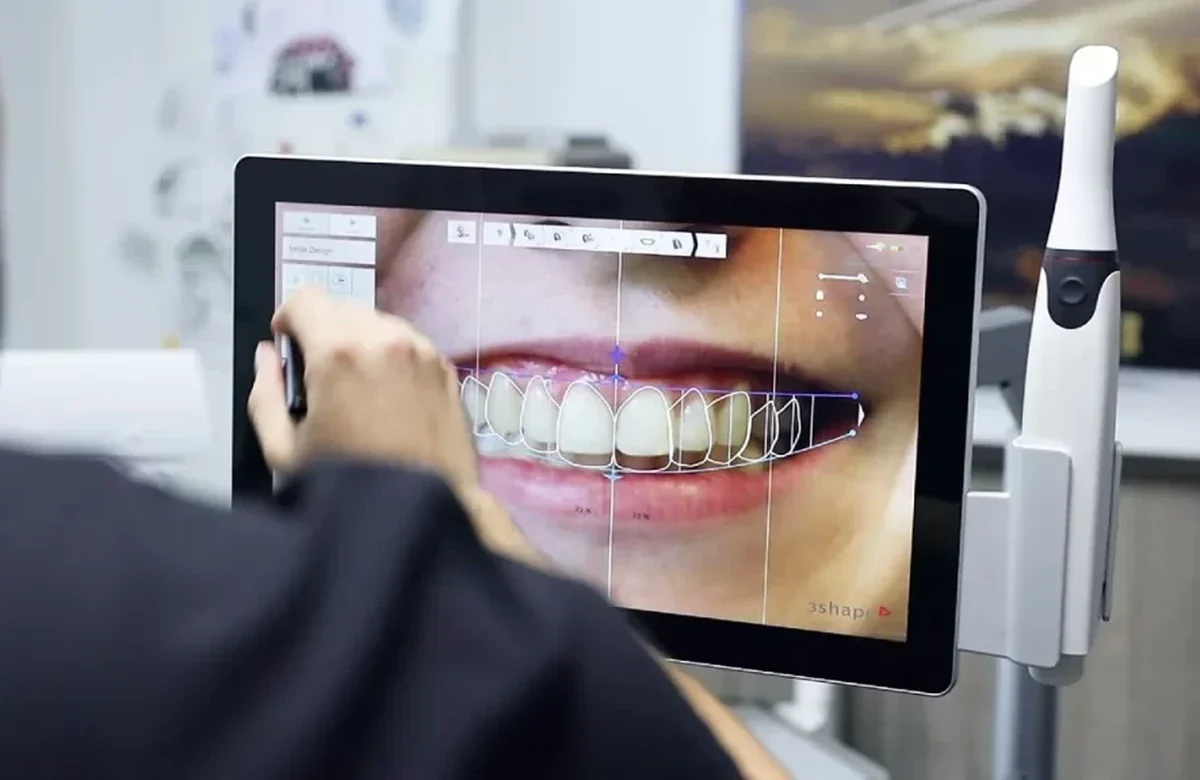
A smile transformation is planned around your mouth health and the changes you want, then carried out in an agreed sequence. It may involve controlling disease, preserving teeth, checking function, trying new shapes and completing suitable restorations. The combination and timing vary, and some people need only limited treatment.
Begin with the presenting problem
You may seek help for missing teeth, wear, uneven shape, discolouration or difficulty chewing. A full examination establishes oral health and distinguishes appearance concerns from structural or functional needs. Photographs alone cannot reveal root condition, periodontal support or the cause of ongoing tooth wear.
Create a problem-led plan
The first stage can address active decay, gum inflammation, infection or failing restorations. Only then should alignment, implant placement or extensive cosmetic work be scheduled around the intended final result. Retaining maintainable natural teeth may change the amount of dentistry required and improve the clarity of the overall plan.
Test the proposed function and appearance
Diagnostic wax-ups, digital records or provisional restorations may help explore tooth length, shape, bite and cleaning access. A preview is a tool for communication and feasibility, not proof of exact final outcome. A trial stage can reveal discomfort, aesthetic preferences or unexpected issues before definitive irreversible work.
Deliver definitive treatment with checkpoints
Your plan may combine orthodontics, repairs, implants or other care, with checks along the way. Material, fit, gum response, bite and comfort need assessment as treatment progresses. Healing or new findings can change the timetable, so those changes should be explained before the next stage is agreed.
Document results without manufacturing evidence
When looking at completed treatment examples, useful context includes the patient's consent for public use, comparable photographs, the main procedures, verified timing, limits and maintenance needs. Images should show the actual teeth without retouching their appearance and should distinguish real results from educational previews. Another person's result cannot establish what your treatment would achieve.
What happens after the final photograph
Cleaning access, restorative review, risk-factor management and repair contingency remain important. A visually striking result is not sufficient if the patient cannot maintain the gums or bite. The longer-term goal is stable, functional, understandable care with realistic follow-up.
A smile transformation should have a diagnostic order
Before designing a new appearance, the clinician should check existing restorations, enamel quantity, periodontal health, tooth alignment and bite. Treating active inflammation after placing veneers may be more difficult, while building out a severely rotated tooth with thick restorative material can create an unnatural contour and cleaning problems. Orthodontics, when appropriate, may reposition teeth so less structure needs altering later. Whitening can be planned before colour-matched composite, because the whitening gel will not lighten the finished bonding or ceramic.
A temporary mock-up can show proportions and assist conversation, but it is not a guarantee of final shade, gum position or speech. Complex cases may need coordination between orthodontic, restorative, periodontal or implant clinicians. The cost and time should reflect those stages, including temporary restorations, repairs and follow-up. Sometimes the most conservative result is achieved with limited treatment to only a few teeth.
The written plan should separate necessary treatment from optional enhancement, explain which changes are reversible and describe likely maintenance. Treating every visible tooth is not a requirement for a worthwhile improvement. The result needs to work and remain practical to look after.
Check whether the result is maintainable before choosing materials
A proposed smile design should allow everyday cleaning and reflect the patient's willingness to attend reviews. A beautiful restoration that cannot be flossed or that creates a plaque-retaining margin may be a poor long-term result. Discuss whether small repairs could be completed without replacing an entire restoration; the answer can change the best material choice.
Test the function before committing to the final appearance
A smile transformation involving orthodontics and restorations should consider whether the teeth can be moved into better positions before adding porcelain or composite. If bite height or chewing contacts are being changed, a provisional phase may let the clinician check speech, comfort and function before definitive restorations are made. A digital image can show a proposed shape but cannot demonstrate whether a new bite will feel comfortable for the individual patient.
If several clinicians are involved, establish who completes the diagnosis, treats gum disease, coordinates movement and maintains the final work. Clear responsibilities help the transition between stages and into follow-up, where repair or review may still be needed.
Sources and professional guidance
Applying the information:
Your next step, when you’re ready
We would be pleased to welcome you for a £30 consultation at your preferred Iconic Smiles practice. Bring your questions, and we can talk through the options that may suit you.
Any additional investigations and their fees will be explained before you decide.