
Bonding, veneers and whitening
Translucency in composite bonding: how it affects appearance
A translucent material allows more of what lies behind it to influence the visible result; a more opaque material masks more of that background.
Discover what could suit your smile
Whether you are thinking about colour, shape or a subtle change, a £30 consultation is a welcoming place to share your ideas, ask questions and explore a personalised approach.
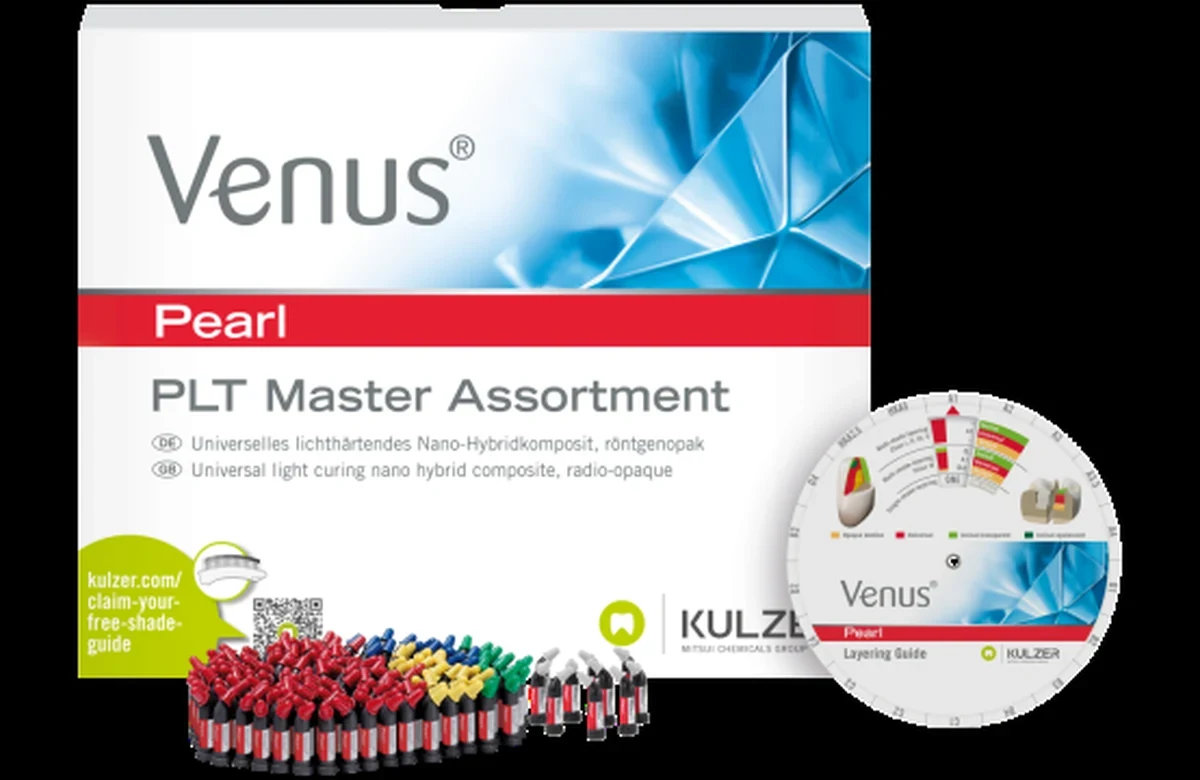
Translucency describes how a material handles light
Translucency affects how natural-looking composite bonding appears because it determines how much of the background shows through. A more opaque material masks more of what lies beneath it. Alongside colour and shape, the balance between these properties helps the resin blend with your tooth; the palest shade alone may not give the closest match. [1]
A more translucent material is not automatically more natural
Laboratory research found substantial differences between composite systems and combinations of layers. It gives no single translucency or layering recipe that works best for every tooth. The study did not test every background or long-term appearance in the mouth, so a flat laboratory sample cannot predict exactly how your bonded edge will look. [1]
Define the concern before adding more material
When discussing a planned shade or a colour concern, describe whether the area looks grey, too solid or unlike the adjacent tooth. The dentist can then explain which part of the plan concerns the material and which concerns the shape. More resin also adds bulk, so any addition needs a clear benefit and a comparison with options that preserve more of the existing restoration.
Check whether the apparent difference persists after treatment conditions change
Natural teeth can appear lighter when dehydrated during a procedure. That temporary change may affect the contrast with a restoration. Shade comparison should therefore take account of hydration rather than assume that a difference seen while the tooth is dry represents the final result. [2]
Separate an optical concern from a structural defect
If the restoration is sound but the appearance is unsatisfactory, discuss the smallest suitable correction. If it is also cracked or partly missing, the repair decision needs to address that defect. Evidence supports considering repair for selected composite problems, but does not establish that every colour or translucency concern can be corrected by a small addition. [3]
Shade matching a composite restoration in daylight
A colour match is more than a shade-guide letter
A close colour match depends on how the restored area looks beside your natural tooth. If you are considering treatment, describe the appearance you hope to achieve. If you are discussing an existing restoration, details such as a lightness difference, a dark edge or an overly solid-looking area are more useful than a shade code on its own.
The tooth should be assessed before it dries out
A randomised clinical study found that natural incisors became visibly lighter during dehydration. That makes the timing of shade selection relevant: a tooth held dry during treatment may not show its usual colour. The finding concerns the natural tooth, not proof that a crown or composite has changed colour at the same rate. [2]
Agree when the final appearance will be reviewed
Another clinical study measured colour during dehydration and rehydration, finding that immediate colour assessment could differ from assessment after rehydration. Its results support allowing for hydration when discussing a final match. They do not establish a universal waiting time for every material, whitening course or clinical situation. [2]
Use photographs to describe the concern, with appropriate limits
A clinical photography study assessed different photographic techniques against an instrumental colour measure. The results depended on the technique as well as the time of measurement. A casual photograph in daylight can help show what bothers you, but should not be treated as a calibrated measurement or proof that one shade must be selected. The clinician should explain how your comparison will be made. [4]
Discuss a review before assuming the whole restoration must change
Ask how the intended colour will be recorded, how it will be assessed after treatment and what kind of correction would be appropriate if the appearance remains unsatisfactory. Where only part of a composite restoration is defective, repair may be an option after assessment. The decision should reflect the actual mismatch and restoration condition rather than a single photograph taken during treatment. [3]
Layering enamel and dentine shades in anterior composite
Why the dentist may use more than one resin
To restore a visible front tooth, the dentist may combine resins with different optical properties. Enamel, dentine and opaque shades each contribute differently to the final appearance. The choice and number of shades depend on the tooth being restored; more layers do not automatically mean a better or more natural-looking result. [1]
What the laboratory evidence shows
A laboratory study tested flat samples from three composite systems with different combinations of layers. Their colour and translucency varied with both the materials and the combinations used. Because these were samples rather than finished restorations in patients, the study cannot identify the best recipe for your incisor or show which brand produces the best clinical outcome. [1]
Ask what the layering is intended to solve
A useful explanation identifies the actual concern: replacing an edge, matching a larger visible surface or managing the appearance over a darker area. Ask how the planned restoration will address that concern and whether a preview is appropriate. An explanation of the goal is more meaningful than a list of resin brand names or a claim that more layers are always better.
Judge the result as a restoration, not a demonstration of technique
Agree how shape, colour, comfort and the extent of treatment will be assessed. Clarify any planned preparation, reasonable alternatives and the fee before treatment. If the proposed restoration covers more of the tooth than expected, ask why that extra coverage is needed and what a more local addition would leave unchanged.
Keep the long-term discussion separate from optical detail
Research on front-tooth composite identifies fracture and changes in appearance as reasons for later treatment. It does not show that using a particular number of enamel and dentine layers makes a restoration last longer. Alongside the initial colour, it is helpful to understand how future polishing or repair would be managed. [3]
Research and guidance
- A randomised controlled trial to investigate the effects of dehydration on tooth colour.
- Clinical effects of dehydration on tooth color: How much and how long?
- Clinical assessment of dental color during dehydration and rehydration by various dental photography techniques.
- Repair of Resin Composite Restorations: An Umbrella Review of Systematic Reviews.
- Color and Translucency Compatibility Among Various Resin-Based Composites and Layering Strategies.
- Anterior composite restorations: A systematic review on long-term survival and reasons for failure.
Your next step, when you’re ready
We would be pleased to welcome you for a £30 consultation at your preferred Iconic Smiles practice. Bring your questions, and we can talk through the options that may suit you.
Any additional investigations and their fees will be explained before you decide.