
Bonding, veneers and whitening
Why checking gum health matters before veneers or bonding
A smile can look healthy in photographs while gum disease remains active beneath the visible margins.
Discover what could suit your smile
Whether you are thinking about colour, shape or a subtle change, a £30 consultation is a welcoming place to share your ideas, ask questions and explore a personalised approach.
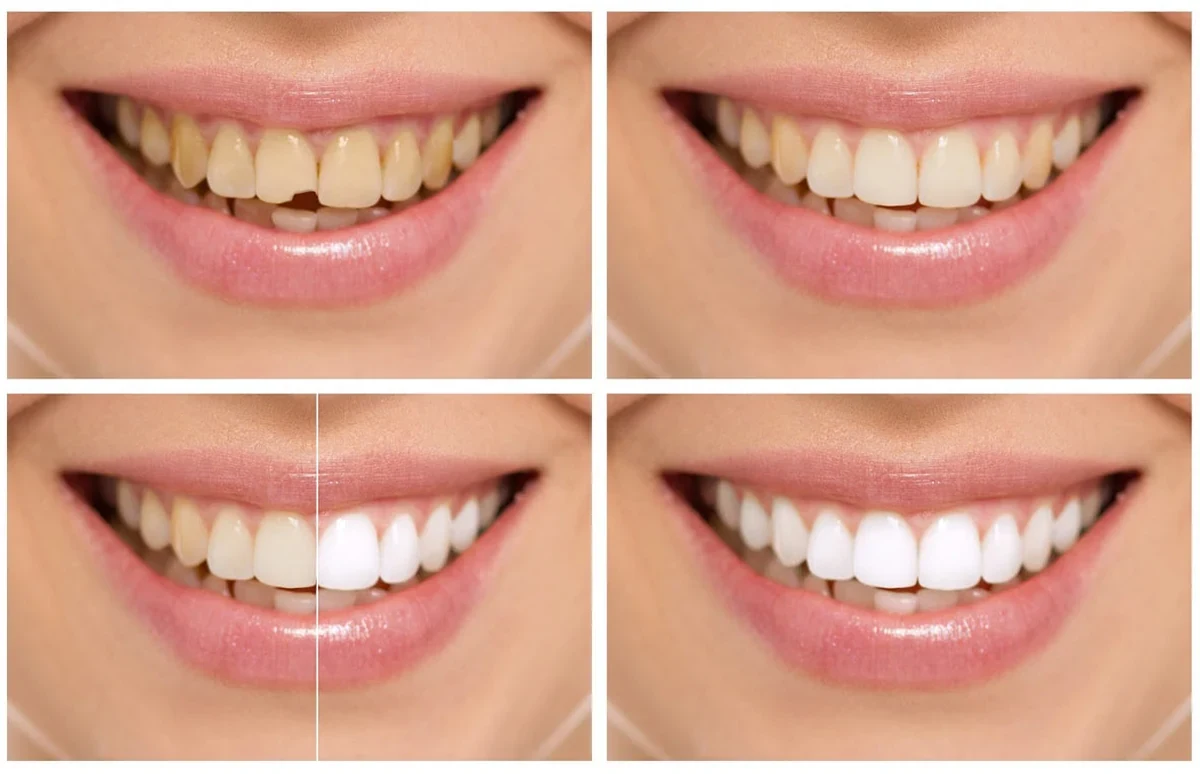
Stable gums matter before veneers or extensive bonding because they support the teeth and frame the finished restorations. A photograph can look healthy while disease remains beneath the gumline. Where appropriate, periodontal charting records measurements and bleeding at individual sites. The level of assessment should follow your findings; every cosmetic patient does not need the same elaborate procedure.
What the chart records
A gum assessment may record pocket depths, bleeding when measured, plaque, recession and tooth looseness. Relevant X-rays can help show bone support. Together these findings distinguish gum inflammation that can resolve from periodontitis, where supporting tissue has been lost, and identify areas needing treatment. Photographs alone cannot reveal a deep pocket or explain a changing gum margin.
Why gum instability distorts aesthetics
Inflamed gums may be swollen and cover more of the tooth than they will after successful treatment. If a veneer is designed against that temporary contour, the visible crown length and margin relationship may change as inflammation settles. Recession can also expose darker tooth or root surfaces near the ceramic edge. The aesthetic planning date should therefore reflect the condition of the tissue, not simply the patient's availability for a fast makeover.
Tooth support changes the restorative decision
A mobile tooth with advanced periodontal attachment loss raises different questions from a firm tooth with healthy support. Bonding porcelain to its surface does not correct the underlying periodontal prognosis. The dentist may need to stabilise disease, adjust the proposed treatment sequence or reconsider how many teeth should receive restorations. Patients should hear which teeth are suitable for elective ceramics and whether a conservative intervention would protect future options.
Where the veneer margin should sit
Margins placed unnecessarily deep beneath the gum can make cleaning more difficult and risk irritating sensitive tissues. The preparation design is influenced by aesthetics, existing restorations and the biological relationship between the tooth and the surrounding gum. Stable, accessible margins are generally easier to maintain. When gum position is uneven, orthodontic or periodontal input may sometimes be more suitable than hiding the difference with bulkier veneer contours.
Treating the gums first is not wasted time
Guideline-based gum treatment starts with plaque control and relevant risk factors, adding cleaning below the gumline and further treatment where needed. Reassessment shows how the tissues have responded before final cosmetic records are taken. The sequence helps protect natural teeth and the appearance of new restorations. It should be tailored to the diagnosis rather than offered as a standard cleaning package for everyone having veneers.
Questions that improve the consent discussion
What is the gum diagnosis? Are any tooth-support risks likely to change veneer design? Should the final shade and gumline records be delayed until inflammation settles? How will I clean around the completed restorations? Asking these questions does not undermine cosmetic goals. It connects the visible smile to the biology that keeps it functional and maintainable.
A gumline that changes after initial treatment
For example, someone considering six upper veneers may have bleeding gums and swollen gum peaks between the teeth. If the veneer edges are planned against those contours immediately, their appearance could change as treatment reduces the inflammation. Diagnosing the cause, providing suitable care and reviewing the gumline gives a more reliable basis for the final records. You should understand which measurements have improved and whether active disease remains. Once the gums are stable, conservative bonding, veneers or the improvement in gum health itself can be assessed against your original aim.
Further clinical details: Healthy Gums Before a Smile Makeover: Planning the Timing
Gum inflammation may need treatment and reassessment before the final design of bonding, veneers or whitening is agreed. Swelling can hide part of a tooth, cause bleeding during impressions and settle to a different contour after care. The dentist distinguishes temporary inflammation from established loss of tooth support before choosing final lengths and edges. Cosmetic treatment should follow that assessment.
Assess what the gumline is telling you
A periodontal screening may lead to more detailed probing, bleeding scores and review of supporting bone where indicated. Not everyone with a slightly uneven gumline has gum disease, and not every black triangle needs treatment. The clinician needs to identify the underlying cause, evaluate plaque control and explain whether a phase of gum therapy is appropriate. A restored tooth cannot be considered in isolation from the tissue that surrounds it, especially where ceramic or composite edges are placed close to the gingival margin.
Why a stable margin improves aesthetics
Gum position affects visible tooth length and symmetry. A veneer edge designed against swollen tissue may show after inflammation settles. Extending the edge deeper below the gum can make cleaning harder and irritate tissues. Establish which margins can stay accessible on enamel, how contacts will be cleaned and whether an uneven gumline needs changing at all.
Treat in the right order
A comprehensive plan may begin with hygiene instruction and periodontal care, followed by reassessment of tissue response. Tooth alignment or whitening may come next, depending on the findings and desired result. Only then may it be appropriate to finalise ceramic shapes or composite contours. This sequence does not mean every cosmetic patient requires months of gum treatment. It means that the tooth shape and tissue position used in the restorative design should reflect a healthy, stable clinical starting point.
Compare conservative appearance changes
Some apparent shortness or asymmetry arises from tooth position or crown proportions rather than the gums themselves. Additive composite may correct selected edges; orthodontics may change where the teeth sit; soft-tissue treatment is only appropriate where periodontal and anatomical findings justify it. Patients should ask what healthy tissue would be altered by each option. A digital smile preview can be useful, but it should not imply that the gumline can simply be moved to any position shown on a screen.
Maintain the result over time
Veneers and crowns still accumulate plaque at their margins. The patient needs an individually demonstrated cleaning method, especially around overlapping teeth or complicated contacts. Follow-up should include gum measurements where needed as well as photographs. When selecting a provider, ask how general dental, hygiene and cosmetic stages are coordinated and what happens if the gum response changes the planned restoration. A beautiful restoration is not truly successful if its surrounding tissues cannot be kept healthy.
Cosmetic design should follow tissue response
For example, after appropriate treatment of bleeding gums, the front teeth may look longer as swelling settles without any enamel alteration. Veneers designed before that change could leave exposed margins or unnecessarily long edges. Someone with stable but naturally unequal gum heights may need no gum-disease treatment. Records and measurements help distinguish normal anatomy from disease and confirm when tissue is stable enough for the final design.
Any proposed composite addition also needs checking for bulk across the gum space or an overhanging edge. Concealing a dark triangle in a photograph does not establish that the shape will be safe and easy to clean.
Further clinical details: Treat Gum Inflammation Before Composite Bonding | Iconic Smiles
Gum inflammation may need treatment before composite bonding because bleeding and swelling make bonding conditions and final contours harder to assess. Once the tissues settle, the dentist can judge tooth shape, shade and cleaning space more reliably.
Checking enamel, gums and the intended shape
Planning includes remaining enamel, tooth position, gum symmetry, underlying colour and translucency at the front edges. The dentist checks the bite and whether small additions could meet your aims. Examination and justified imaging answer different questions; a scan alone cannot establish the condition of the tissues.
Could a smaller change meet your aim?
Options may include observation, whitening, alignment or small composite additions. Partial ceramic coverage or veneers need a reason for their extra preparation. Before placing material near the gums, check plaque-retaining areas, gum-pocket measurements and soft-tissue health, with a clear time for reassessment.
Bleeding between the front teeth
For example, someone planning edge bonding may have bleeding gum peaks between the upper front teeth.
Reassessing after the gums settle
Bleeding can contaminate the bonding area, while swollen tissue hides the true shape of the space between teeth. After cleaning advice and any necessary gum treatment, reassess the tissue height and whether the planned additions would leave enough room for floss.
Preparation, chipping and future care
Discuss shade changes as teeth return to normal hydration, possible bulk and any need to bond to exposed roots. Irreversible tooth reshaping, edge chipping and the maintenance needs of the chosen material also belong in the decision.
Further reading (background sources)
- NHS: dental treatment information — background reading
- — background reading
Your next step
Areas we serve: Hertfordshire · Bedfordshire · Buckinghamshire · Essex. Our actual clinics are in Hatfield, Cheshunt and Friern Barnet; Bedfordshire, Buckinghamshire and Essex are patient catchment areas, not additional clinic sites.
How to compare the options
A useful plan connects the gum findings with the intended additions and explains whether treatment needs to wait. The following questions help make that sequence clear.
- What do the gum measurements show, and what needs to improve before bonding?
- How would whitening, alignment or a smaller addition compare with the proposed treatment?
- When will the gum contours and final shade be checked again?
- Will the new contacts leave practical space for floss and future polishing?
Agree the gum-care stage, reassessment and final design before bonding. You should understand the likely benefit, what remains uncertain and the expected cleaning, review and repair routine.
Your next step, when you’re ready
We would be pleased to welcome you for a £30 consultation at your preferred Iconic Smiles practice. Bring your questions, and we can talk through the options that may suit you.
Any additional investigations and their fees will be explained before you decide.