
Bonding, veneers and whitening
Thin or Thick Gums Before Veneers: Planning Ceramic Edges Naturally
Two people can have the same tooth shade and broadly similar smiles yet require different veneer designs because their gum tissues are not alike.
Discover what could suit your smile
Whether you are thinking about colour, shape or a subtle change, a £30 consultation is a welcoming place to share your ideas, ask questions and explore a personalised approach.
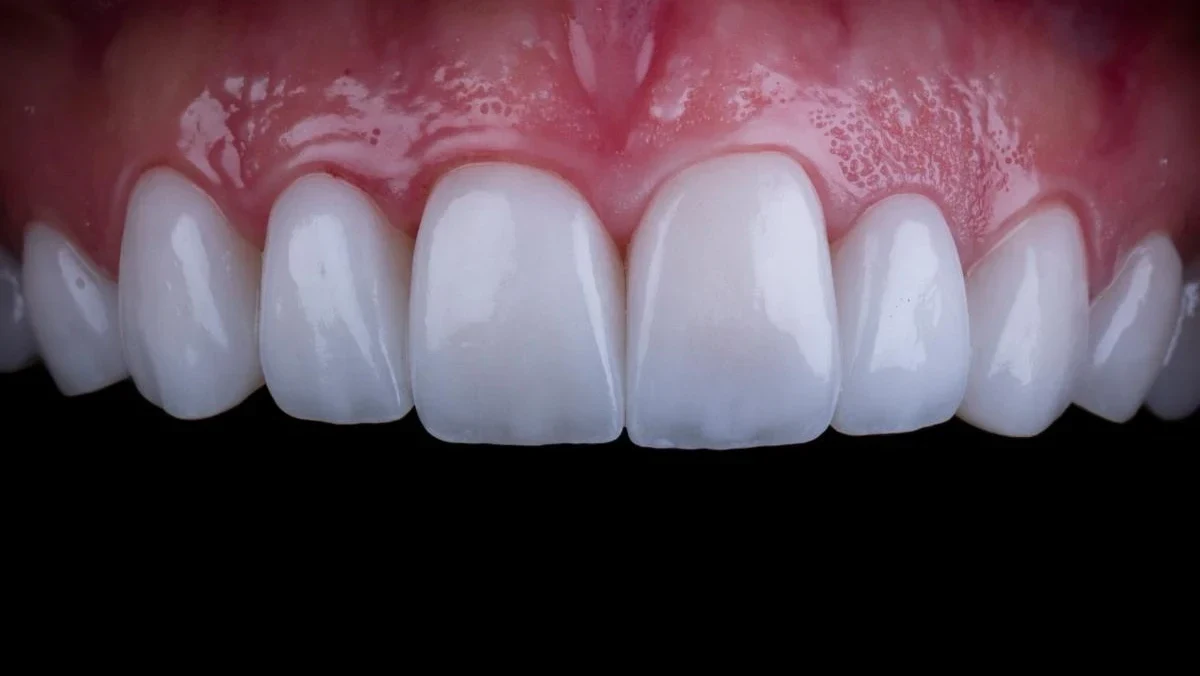
Gum thickness affects how a veneer margin and the underlying tooth colour may appear. Thin tissues can show more colour beneath them, while thicker contours frame the tooth differently. Gum height, scallop, enamel and cleaning access also guide the design. Assessing these features helps plan the appearance and health of the finished restoration.
The gum is part of the frame
A smile is viewed as teeth, lips and the pink tissue between them. The eye notices uneven gum heights or missing papillae even when the ceramic shades match. The dentist should record the patient's relaxed and broad smiles, gum display, tooth proportions and relevant periodontal findings. Tissue thickness and the position of the gum margin can affect how a veneer edge is concealed and how the restoration meets the tooth. A high smile line may make small discrepancies more noticeable. The objective should be an integrated appearance rather than making every tooth identical or moving every gum margin to the same height.
Why tissue thickness changes the optical plan
A dark root or prepared tooth may be more visible through thin gum. The veneer also transmits light according to its translucency and thickness. More opaque ceramic can mask colour but may look flat near the gum unless its shape and surface are carefully planned. The laboratory therefore needs the background shade, existing restoration details and intended margin position as well as the chosen colour.
Margin placement is a clinical compromise
Keeping veneer margins in accessible enamel and away from unnecessary deep subgingival positions can support bonding and cleaning in appropriate cases. However, a stained restoration or visible colour boundary may alter the design. The clinician should explain how much enamel preparation is planned and whether the edge will be above, level with or slightly beneath the gum. Excessive depth can make moisture control, finishing and hygiene more difficult. There is no ethical reason to hide a margin at all costs if doing so sacrifices healthy tissue or creates a contour that is hard to maintain.
Sometimes the gum needs attention first
If there is inflammation, gum disease treatment should normally be considered before definitive elective veneers. If the gums are asymmetrical, the clinician may discuss whether tooth movement, a conservative gingival procedure or accepting natural variation is appropriate. Cosmetic gum contouring is not automatically needed; removing or repositioning tissue without the correct diagnosis can worsen proportions or expose unfavourable tooth structure. A high-quality plan may involve a settling period before final photographs and shade selection. The patient should know which steps are essential and which are optional aesthetic refinements.
Mock-ups cannot replace soft-tissue diagnosis
A digital design can show hypothetical idealised gum heights, but it cannot guarantee how biological tissue will heal or exactly where a papilla will sit. A physical trial smile may reveal how crown length appears against the lip, yet the veneer must still bond to a suitable substrate. If teeth are crowded or the gumline difference reflects tooth position, orthodontics might improve the foundation before restorative work. A conservative approach may ultimately require fewer veneers or smaller preparation margins than the initial makeover package suggested.
Questions for a thoughtful veneer consultation
The plan should explain tissue thickness and margins, any gum treatment, colour masking and the preparation and bonding surfaces. Include how the final margins will be cleaned and maintained. A small natural asymmetry may be a reasonable compromise where further alteration adds little benefit. Material and contour should fit the anatomy.
Evidence and further reading
- Systematic review: ceramic veneer survival and complications — PMCID PMC12076113
- European Federation of Periodontology: S3 clinical guidelines
- Systematic review: veneer bonding substrates — PMID 38604905
The practices are in Hatfield and Cheshunt in Hertfordshire, and Friern Barnet in North London. If travelling from Bedfordshire, Buckinghamshire or Essex, use the actual clinic address on your confirmation.
Your next step, when you’re ready
We would be pleased to welcome you for a £30 consultation at your preferred Iconic Smiles practice. Bring your questions, and we can talk through the options that may suit you.
Any additional investigations and their fees will be explained before you decide.