
Healthy teeth and gums
Dental hygiene or deep cleaning: which appointment might you need?
Not sure whether you need a routine hygiene visit or treatment for gum disease? Learn how your dentist checks your gum health and what the different appointments involve.
Ask us about your teeth and gums
You can talk to our team about your concerns and what you would like to improve. A £30 planned-treatment consultation is a simple way to start exploring your options.
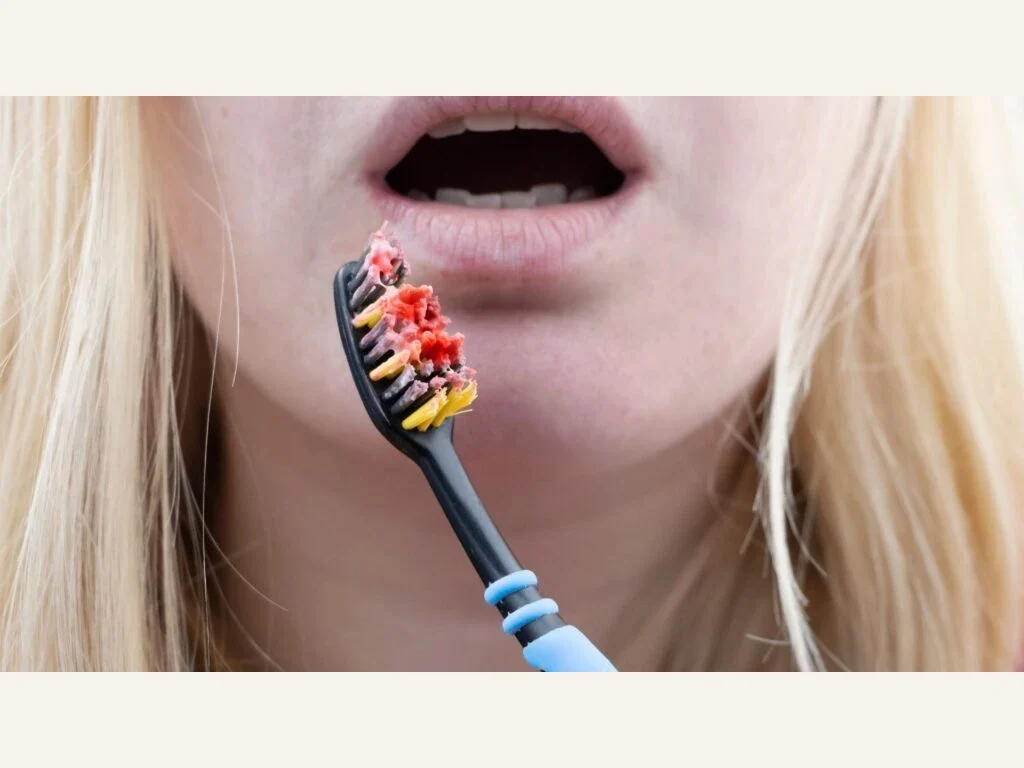
Routine hygiene may be suitable for removing accessible deposits and supporting prevention; gum disease can need more detailed treatment and follow-up. An assessment establishes which appointment fits your mouth, whether you are joining a new practice or returning after a gap.
A routine scale and polish and structured gum disease treatment are not identical. Routine cleaning addresses accessible deposits and supports prevention; treatment for periodontitis may require instrumentation below the gum margin, detailed measurements, risk-factor management and reassessment. The appropriate approach follows diagnosis, not a menu label.
How hygiene appointments and gum treatment differ
A preventive hygiene visit may remove plaque and hardened tartar above the gum and help you improve daily cleaning. If inflamed pockets contain deposits below the gum, targeted instrumentation may be needed to reduce bacteria and support healing. Polishing the visible surfaces alone cannot treat every deeper site.
How we decide which gum care you need
Periodontal screening or full charting, bleeding measurements, pocket depths and radiographs when appropriate help identify disease. These findings also establish which areas need attention. A promise that everyone needs the same number of deep cleans is not a personalised diagnosis. Likewise, an absence of discomfort does not rule out gum disease.
What treatment may feel like
Treatment below the gum can use local anaesthetic where appropriate and may be divided into visits to suit its extent and your needs. Temporary tenderness, bleeding or sensitivity can occur, so the team should explain aftercare and when to contact them. Antibiotics are not automatically needed for periodontitis and do not replace removal of deposits and plaque control.
Reassessment is the crucial difference
Following initial treatment, plaque control and pocket or bleeding measurements are reviewed. Persistent deep areas may need further treatment or periodontal input. A one-off clean without reassessment can leave ongoing disease unidentified. A meaningful treatment plan states both the immediate intervention and the maintenance arrangements after improvement.
Costs and NHS/private distinctions
In England, clinically necessary gum disease treatment may be available through NHS care according to assessment and relevant charging arrangements; cosmetic cleaning is a separate question. Patients should be told why particular treatment is indicated and whether it is NHS or private. Avoid assuming that the word “hygiene” establishes which band applies.
Questions that clarify the treatment plan
Before booking the proposed treatment, understand the diagnosis, the affected areas and whether cleaning will extend below the gum. The plan should explain any changes to home care and when the response will be measured. The aim is controlled disease and tissues you can maintain, alongside teeth that feel cleaner.
What makes subgingival treatment different
A routine scale can remove deposits above the gum line and in accessible areas, while gum disease treatment may target deposits and diseased root surfaces within pockets where attachment loss has occurred. The need should be based on a gum health assessment, not the amount of staining visible in a mirror. Bleeding on probing, probing depths, recession and radiographic bone support help inform the diagnosis. The same pocket depth can represent different conditions if the gum margin has moved, so findings should be interpreted together rather than relying on one number.
Instrumentation can be provided over more than one visit where appropriate. Anaesthetic may be offered according to sensitivity, the extent of treatment and patient preference. After an initial phase, the clinician should allow time for tissue response and reassess bleeding, cleaning access and any persistent sites. Some deep areas may need further care or referral; others can be managed with continuing supportive periodontal appointments once disease has stabilised.
A cleaning appointment is not proof that disease is controlled
If the cause of inflammation remains—such as persistent plaque around difficult anatomy, smoking or poorly controlled systemic risk—the result may not last. Ask to see the difference between the initial and reassessment findings and to understand what improvement is realistic for the individual teeth. A patient with a history of periodontitis requires a maintenance strategy appropriate to disease severity and risk, not simply an annual cosmetic polish. SDCEP guidance supports a structured approach to gum disease treatment and supportive care.
Discuss periodontal staging and what a realistic response looks like
The extent of treatment depends on lost support, current disease activity and access for cleaning. A screening code does not record every site; detailed charting and appropriate imaging may be needed. For example, disease between the roots of a molar, called furcation involvement, or a deep pocket beside a complex root can make treatment harder. These findings may be hidden despite a fairly healthy-looking front view.
Less swelling and bleeding are useful improvements, but do not necessarily mean that bone lost to advanced disease has returned. Reviews should show which sites improved, which remain unstable and whether further care offers worthwhile benefit. Continuing maintenance or a specialist opinion may be appropriate.
Sources and professional guidance
- SDCEP — prevention and treatment of periodontal diseases in primary care
- NICE CG19 — dental review intervals and personalised risk
Applying the information:
Treatment options · Our practices · Fees and finance
Root Surface Debridement: What Happens at a Periodontal Visit?
Root-surface debridement means removing deposits and disrupting the bacterial film below the gum. Where 5 mm pockets or other findings need targeted care, the decision follows the whole assessment rather than that number alone. Treatment may use local anaesthetic and staged visits, with advice about sensitivity and home cleaning. After healing, pocket depths, bleeding and cleaning changes show the response. Deep remaining sites or difficult anatomy may need further decisions, so one appointment may not complete care.
Further questions to consider before treatment
- When joining a practice, understand how any planned gum treatment will lead into continuing hygiene reviews.
- A gum-treatment plan should include the follow-up schedule needed to assess response and maintain progress.
- Gum measurements and screening scores are useful when the clinician explains what they mean for your care.
- Share your medical history at the first consultation, as wider health can affect gum assessment and planning.
Your next step, when you’re ready
We would be pleased to welcome you for a £30 consultation at your preferred Iconic Smiles practice. Bring your questions, and we can talk through the options that may suit you.
Any additional investigations and their fees will be explained before you decide.