
Choosing dental care
Airflow, scaling and polishing: choosing the right hygiene approach
Air polishing, ultrasonic scaling and hand instruments solve different cleaning problems.
Get answers before you decide
Choosing dental care should feel straightforward. A £30 consultation gives you the opportunity to explain your wishes, ask about our approach and understand your options.
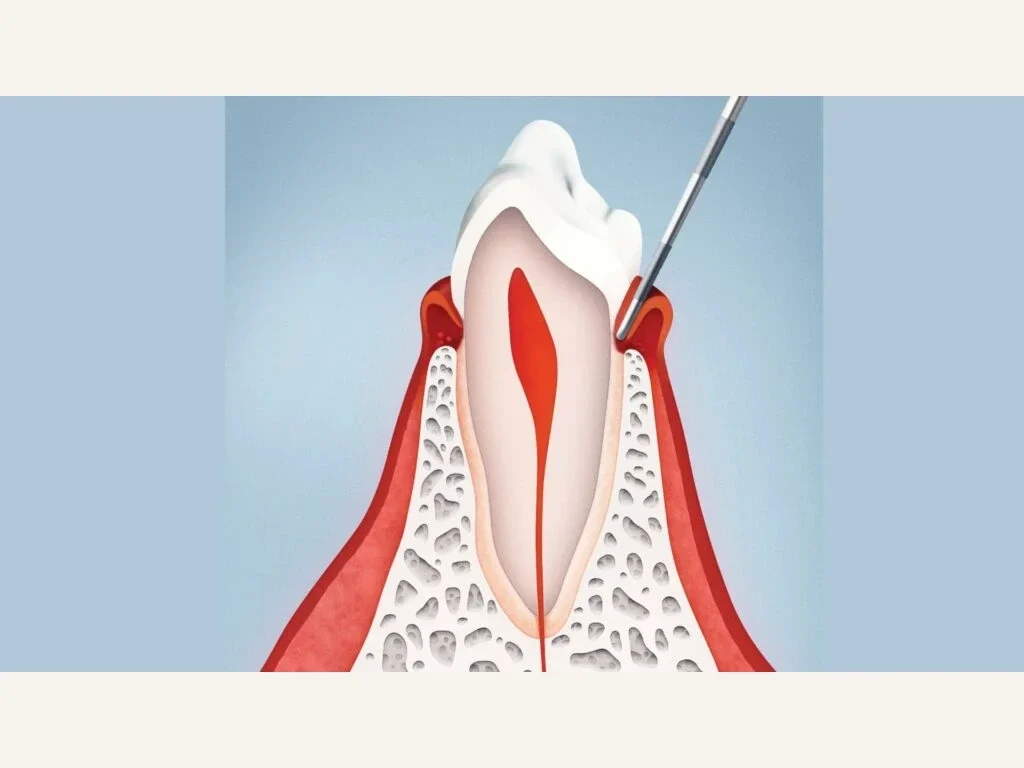
Air polishing removes suitable soft deposits and external stains; scaling removes hardened tartar. An appointment may combine them because they do different jobs. If gum pockets are present, assessment and a gum-treatment plan matter more than the name of a cleaning package. Sensitivity can also influence the instruments and settings used.
Airflow Hygiene or Scale and Polish: What Is the Difference
Air-polishing systems use a controlled jet of fine powder and water to remove plaque and certain surface stains. Ultrasonic or hand instruments are used for hardened tartar, also called calculus. The choice depends on the deposits, gum health, recession, restoration surfaces and comfort; no single device is best for every mouth. Airflow alone cannot replace an assessment of gum disease or the instruments needed to clean below the gum. Before booking, be clear whether the appointment is for cosmetic stain removal, prevention or treatment of active disease.
What happens during an advanced hygiene appointment?
An 'advanced' hygiene appointment should have a clear clinical purpose. It may include plaque and bleeding scores, pocket measurements, removal of deposits above or below the gum, and prevention advice tailored to the findings. Deeper treatment may need local anaesthetic and separate sessions, followed by repeat measurements and a review. The team should explain which areas need treatment, the time allowed and what will be reassessed. A longer appointment or an 'advanced' label alone does not establish a better outcome.
Why do hygienists sometimes use warm water scalers?
Ultrasonic scalers use water for cooling and washing the treatment area. Depending on the equipment, warmed or temperature-controlled water may improve comfort around sensitive exposed roots. Pressure, power and technique still matter, and hand instruments may supplement or replace ultrasonic cleaning where appropriate. Tell the hygienist about sensitive areas beforehand so comfort measures can be planned; for some deeper treatment, local anaesthetic may be more suitable. Water temperature alone does not show whether deposits have been removed effectively.
A polished surface can still need gum care
For example, a tooth can look polished while deposits remain below its gum margin. Equally, someone with little visible staining can still need treatment for gum disease. The assessment explains which deposits matter, whether measurements or a review of previous disease are needed, and how cleaning advice fits your care.
Match the appointment to the deposits and tissues
Choose the appointment by what your mouth needs: stain removal, routine prevention or active gum treatment. The team can explain how the proposed techniques and appointment length serve that purpose and how comfort will be managed. Clear clinical advice makes a more useful comparison than a device name alone.
Sources for further reading
Your next step, when you’re ready
We would be pleased to welcome you for a £30 consultation at your preferred Iconic Smiles practice. Bring your questions, and we can talk through the options that may suit you.
Any additional investigations and their fees will be explained before you decide.