
Dental implants — replacing missing teeth
After Braces, Before Implants: Finishing Space for a Missing Tooth
When orthodontics creates room for a missing tooth, the visible gap at the end of braces is only part of the story.
Explore your tooth replacement options
If you are considering replacing a tooth or several teeth, a £30 consultation gives you a chance to explain what matters most, ask questions and explore the options with our team.
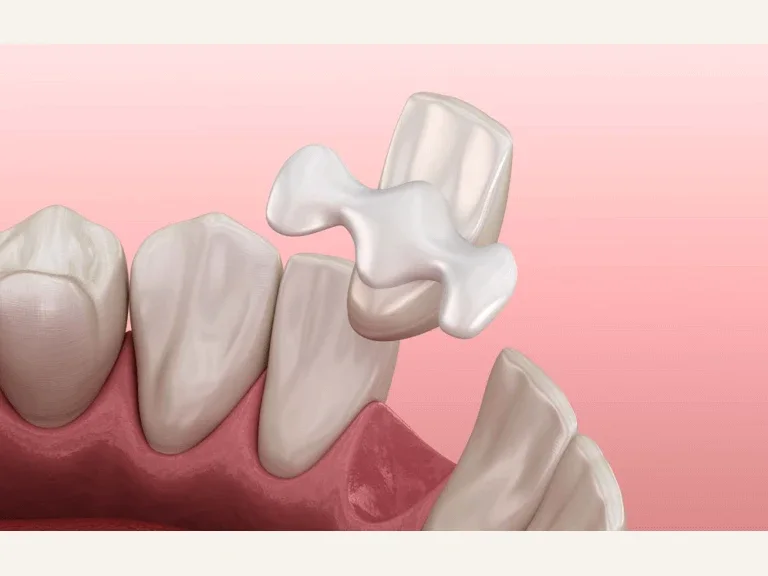
Before braces or aligners finish, the orthodontist and restorative dentist need to agree whether the space is ready for the intended replacement tooth. An implant needs suitable root spacing, bone and room for a well-proportioned crown. Once it has integrated with the bone, it cannot be moved like a natural tooth during orthodontics. The visible gap is therefore only one part of the final check.
Define the replacement tooth first
The missing-tooth space is measured against the intended width of the crown, not simply against a ruler. A congenitally absent upper lateral incisor may call for very different proportions from a missing first premolar. Digital smile design or a simple diagnostic set-up can show where the biting edge, contact points and gum contour should sit. If the space is too broad, a crown can appear unnaturally wide; if too narrow, it may look pinched or become difficult to clean.
Roots must finish in the right positions
Teeth can look straight from the front while their roots lean into the proposed implant site. Appropriate X-rays help the orthodontist assess the space between roots and whether further uprighting is needed. This determines whether a safe implant path is realistic. Choosing a narrow implant cannot automatically resolve the problem: the final crown still needs suitable support and contacts.
Bone availability is not guaranteed by tooth movement
Moving adjacent teeth can change the site, but the missing-tooth area may retain a narrow or deficient ridge. The implant clinician assesses the available bone and soft tissue after orthodontic preparation. Some patients will need an augmentation discussion or may be better served by a resin-bonded bridge or orthodontic space closure. In growing patients, implants generally require particular caution because adjacent teeth continue to erupt and the jaw relationship may still change.
Retainers and temporary replacement
Space can change while the patient waits for surgery or growth completion. The orthodontic retention plan should therefore maintain the implant corridor, preserve the midline and hold the intended space. A retainer may incorporate a temporary tooth, but its design must not compromise healing after implant placement. Patients should know who monitors the space and which clinician adjusts the appliance during the handover period.
Coordinating the bite after restoration
The definitive crown must participate in a bite that remains stable when the retainer is worn as prescribed. The restorative dentist checks contact with neighbouring teeth, access for cleaning and guidance during chewing movements. Where teeth-straightening treatment included significant bite correction, there may be a period of monitoring before a final restoration is completed. The goal is not merely filling the gap; it is integrating the new tooth into the entire occlusal plan.
What to ask before debonding braces
Request confirmation that crown size, root spacing, implant suitability, temporary replacement and retention have all been discussed across the team. A shared end-point prevents expensive rework and protects the orthodontic investment. Implant timing should be driven by biological maturity and local anatomy rather than a desire to finish both treatments at the same appointment.
A two-clinician handover example
For example, a teenager with a missing upper lateral incisor may have orthodontics to position the canine and create space for a replacement. Before the brace is removed, the team can review the intended crown size and the root angles on X-rays. The restorative dentist then considers whether the bone and gum shape could support an implant after growth is complete. An adhesive bridge or a temporary tooth held with a retainer may be preferable if they cannot. A combined review helps identify roots that still obstruct an implant despite an apparently suitable visible gap. During any wait, the retainer needs to hold the agreed position. Finishing tooth movement and having a site ready for an implant are separate decisions, particularly while natural teeth and jaws are still developing.
Your next step, when you’re ready
We would be pleased to welcome you for a £30 consultation at your preferred Iconic Smiles practice. Bring your questions, and we can talk through the options that may suit you.
Any additional investigations and their fees will be explained before you decide.