
Dental implants — replacing missing teeth
Can a full-arch implant bridge be cleaned? Assessing access
A full-arch bridge needs to be considered with the tissues and implants supporting it.
Explore your tooth replacement options
If you are considering replacing a tooth or several teeth, a £30 consultation gives you a chance to explain what matters most, ask questions and explore the options with our team.
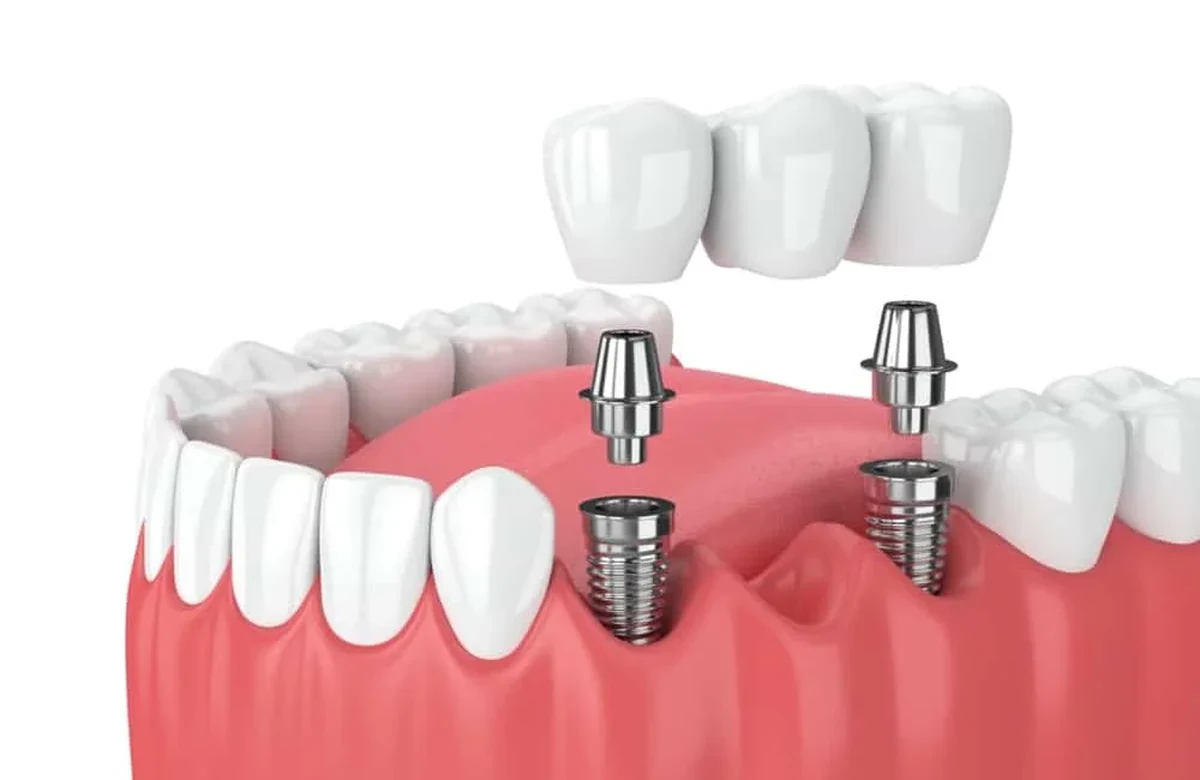
Cleaning is a design question as well as a daily task
Yes, a full-arch implant bridge needs to be designed so you can clean around it and the team can examine the supporting implants and gums. Access should be discussed before the final design is agreed. Full-arch and European gum-health guidance both emphasise planning the replacement teeth and prevention together. [1][2]
Know whether the prosthesis is fixed or removable
A fixed implant bridge stays in place; an implant-retained denture is designed for you to remove. Their care routines differ, so you should understand exactly which is proposed and which parts you will manage at home. A fixed bridge must not be unscrewed by the patient. The team will explain the connecting parts and the professional checks each design needs. [3][1]
Assess the patient’s ability to reach the relevant areas
Tell the team about dexterity, vision, mobility or other practical issues affecting daily care. Explain if an aid is uncomfortable or a space is difficult to access. The assessment should connect those needs with the design and routine, not simply specify more products. The EFP guideline includes prevention during planning and after restoration, so the patient’s ability to perform the recommended care is relevant from the start. If assistance is needed, discuss how that can be provided and what demonstration or adaptation would help. [2]
Request a demonstration on the actual restoration
Ask which surfaces and spaces the routine is intended to reach and how the proposed aids are used. A demonstration should be followed by an opportunity to explain difficulties or show what you can manage. Generic advice about another person’s bridge may not fit the design in your mouth. If access remains poor, the team needs to assess the reason and response. The objective is an achievable method linked to the restoration, rather than a patient repeatedly experimenting beneath the bridge without knowing which areas need attention.
Keep professional assessment distinct from home appearance
A bridge can look intact while tissue or component concerns require review. The EFP guideline recommends periodic assessment of peri-implant health after restoration. Ask which clinician performs the review and how findings around the supporting implants are considered alongside the prosthesis. A photograph of clean-looking front teeth is not a complete assessment of those structures. The patient should understand the purpose of maintenance appointments and the changes that should prompt earlier contact, even if the visible teeth remain comfortable and attractive. [2]
Report barriers and symptoms rather than abandoning care
If the routine causes concern, explain the specific area and what happens. Persistent or new bleeding, swelling, pus, a changed bite or a loose-feeling restoration deserves assessment. Do not assume discomfort means the only option is to stop cleaning indefinitely, nor force an aid through an area without advice. The team should assess the tissues, design and method as appropriate. NHS implant information notes that components can loosen or wear, so a practical cleaning difficulty may need to be considered with a separate restoration issue. [4][3]
Agree the long-term responsibilities
Confirm the home routine, professional review, contact route and the charges or inclusions for continuing care. If a temporary bridge will be replaced, ask how the final design and instructions may change. At Iconic Smiles, identify the clinician and location providing the maintenance. A successful access assessment leaves the patient knowing what they can do, what needs professional attention and how problems are reported. It should support a maintainable restoration rather than imply that fitting a fixed bridge ends the need for tissue care. [5][6]
In practical terms:
The right design needs to suit both your mouth and what you can manage each day. A demonstration and clear review arrangements help you judge that before committing.
The visible teeth are only part of the reconstruction
A full-arch bridge replaces visible teeth while relying on supporting implants, surrounding tissues and connecting components. Looking at the front of the restoration does not show every part of that system. A satisfactory appearance can coexist with a concern that needs assessment elsewhere. The EFP guideline recommends periodic assessment of peri-implant tissue health after restoration. A review therefore has a purpose beyond checking that the patient still has fixed teeth or that the smile looks similar to the day it was fitted. [source][source]
Know which restoration and stage you have
A temporary bridge during healing and a definitive full-arch restoration may require different instructions. Start by confirming the stage and the routine supplied for it. A fixed prosthesis is not intended to be unscrewed by the patient, while a removable design has different care tasks. Ask the team to explain which parts you are responsible for managing and which need professional attention. This prevents advice for another appliance or a different operation from being applied to the wrong structure. [source][source]
A maintenance appointment should have a defined purpose
Before choosing a full-arch bridge, find out what maintenance appointments include. The implants, surrounding gums and replacement teeth need different checks, brought together in a structured care plan. You should know who provides these reviews and how a tissue concern or damaged component would be assessed. [source][source]
Compare the professional review commitment
The EFP guideline recommends a structured programme after implants are restored, including assessment of tissue health. Daily removal or a fixed restoration does not eliminate that need. Ask who reviews the implants, prosthesis and any remaining teeth and how information is shared if more than one clinician is involved. The interval and procedures should follow the clinical situation. A proposed design is easier to judge when you understand both the home routine and the professional support it will require over time. Read the supporting clinical study
Agree the review arrangement and escalation route
Ask what determines the continuing-care schedule, which changes prompt earlier contact and whom to call outside the planned visits. The appropriate arrangement follows the patient and reconstruction rather than one universal timetable for all full-arch bridges. Confirm any maintenance or repair inclusions and how further work would be agreed. A patient who understands the purpose and responsibility of review is better placed to report a material change promptly, without treating the next routine appointment as a reason to wait when symptoms worsen.
Mechanical symptoms should be reported clearly
A changed bite, movement, fracture or sharp area may involve the bridge or a component, and the tissues may need assessment as well. NHS information notes that implant parts can loosen or wear. Tell the team when the change began and whether it affects eating or cleaning. Do not attempt to identify the faulty structure by repeated loading or try to unscrew the prosthesis yourself. The service can explain what to do until the appropriate review and assess whether the concern requires earlier attention. NHS patient information
Ask the team to show the surfaces being targeted
A demonstration should make clear where cleaning is intended to reach, rather than begin and end with the name of an aid. Ask how the visible teeth, spaces and relevant bridge surfaces fit into the routine. The EFP peri-implant guideline treats prevention as part of planning and continuing care, so access is a legitimate clinical discussion. If an area appears difficult, ask for an explanation on the actual restoration rather than assume you should force an aid through a space or copy someone else’s technique. Read the supporting clinical study
Compare access to the areas that need care
A removable prosthesis can allow access when it is taken out, but the patient still needs an appropriate routine for the appliance and supporting structures. A fixed bridge requires care around the relevant spaces and surfaces without home disassembly. Neither description establishes that cleaning will be effortless or that the tissues will remain healthy without review. Ask for a demonstration of the actual proposal and identify the areas that might be difficult. The clinically suitable design should be considered alongside the care the patient can realistically perform. Read the supporting clinical study
Research and guidance
- Recommendations for Implant-Supported Full-Arch Rehabilitations in Edentulous Patients: The Oral Reconstruction Foundation Consensus Report.
- Prevention and treatment of peri-implant diseases-The EFP S3 level clinical practice guideline.
- Dental implants - Overview | Guy's and St Thomas' NHS Foundation Trust
- Peri-implant diseases - European Federation of Periodontology EFP Logo Play icon Icon Teeth Icon Doctor Icon Implant
- Dental Team | Meet the Iconic Smiles Clinicians
- Dental Practices in Hertfordshire & London | Iconic Smiles
Your next step, when you’re ready
We would be pleased to welcome you for a £30 consultation at your preferred Iconic Smiles practice. Bring your questions, and we can talk through the options that may suit you.
Any additional investigations and their fees will be explained before you decide.