
Dental implants — replacing missing teeth
Dental Implants with a Clicking Jaw
A clicking jaw joint and a missing tooth may be unrelated, but the click should be explored during implant planning if the person also has pain, restricted opening, locking or difficulty chewing.
Explore your tooth replacement options
If you are considering replacing a tooth or several teeth, a £30 consultation gives you a chance to explain what matters most, ask questions and explore the options with our team.
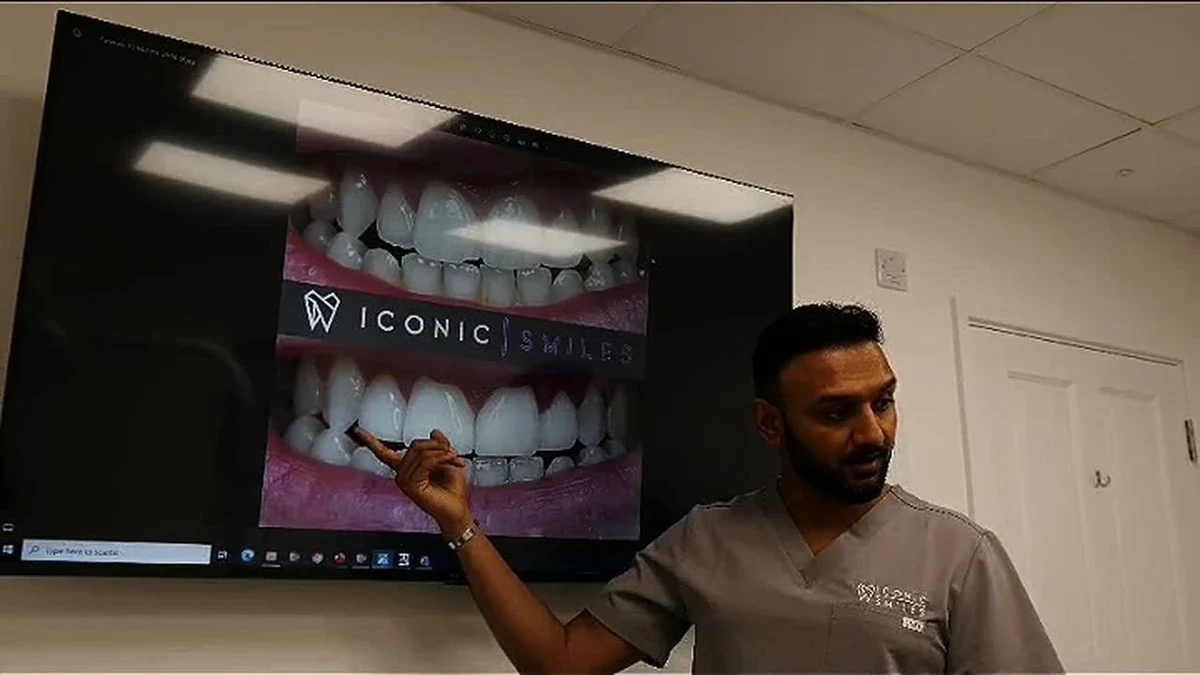
A clicking jaw does not automatically rule out an implant, but pain, locking, restricted opening or difficulty chewing need assessment during planning. A missing tooth and a click may be unrelated. Your jaw joints guide movement, while an integrated implant stays fixed in the bone, so the proposed crown and its contacts need to suit how your jaw works.
Separate joint symptoms from a missing-tooth problem
A clinician will ask when the click occurs, whether it is painful, if the jaw has locked and whether opening range has changed. Muscles, joints, teeth and habits such as clenching can contribute to symptoms. Radiographs or specialist assessment are considered according to findings rather than being ordered simply because a noise is audible. Implant placement is not a recognised treatment for a jaw click. The aim is to understand whether jaw function affects treatment design or appointment tolerance.
Why bite records may be more complicated
If comfortable opening is limited or your closing position varies, recording a reliable bite for the crown can be more difficult. Repeat records or staged planning may be useful before extensive treatment. A single back-tooth crown should avoid an isolated heavy contact. When several teeth are missing, the whole bite needs a shared design rather than separate replacements planned independently.
Distinguish bruxism from joint clicking
Grinding or clenching can place forces on natural teeth and implant components, but someone can have a joint click without bruxism and vice versa. Examination may consider tooth wear, muscle tenderness, bite patterns and evidence of mechanical overload. Patients should ask whether a protective appliance, treatment of symptomatic jaw dysfunction or monitoring would be useful before definitive prosthetic work. None of these interventions automatically cures a joint disorder or guarantees implant protection.
Alternatives and treatment sequencing
An adhesive bridge or removable replacement may be appropriate if surgery or long fixed appointments would be difficult, although they have their own functional constraints. If the joint is painful or repeatedly locks, assessment and stabilisation may reasonably precede elective implant surgery. A patient with an uncomplicated longstanding click and normal opening may require no alteration beyond careful documentation and bite planning. It is the associated symptoms and treatment demands that matter, not the noise in isolation.
Agree an individual treatment objective
At consultation ask what the click signifies clinically, whether it changes expected appointment duration or mouth-opening requirements, and how the final implant bite will be checked. A coherent plan should define the missing-tooth solution and the separate approach to jaw symptoms, with no promise that replacing the tooth will resolve the click.
An illustrative case: a painless click before molar replacement
For example, a painless occasional click present for ten years, with normal opening and no locking, may need documentation and careful bite planning without delaying every replacement option. A recent painful locking episode with difficulty keeping the mouth open is different: assessment of jaw function and tolerance of appointments may need to come first. The associated findings guide the sequence, rather than the clicking sound alone.
Clenching with substantial tooth wear presents another situation. The dentist may need to assess wider bite planning or a protective appliance before adding a crown that could receive excessive forces. Establish which findings relate to symptoms, whether referral is appropriate and how sideways contacts will be checked. Implant treatment cannot promise to cure a click, and a click alone cannot predict implant failure.
Your next step, when you’re ready
We would be pleased to welcome you for a £30 consultation at your preferred Iconic Smiles practice. Bring your questions, and we can talk through the options that may suit you.
Any additional investigations and their fees will be explained before you decide.