
Dental implants — replacing missing teeth
Dental Implants with Sedation: Your Options
Fear of implant surgery does not in itself rule out replacing a tooth with an implant.
Explore your tooth replacement options
If you are considering replacing a tooth or several teeth, a £30 consultation gives you a chance to explain what matters most, ask questions and explore the options with our team.
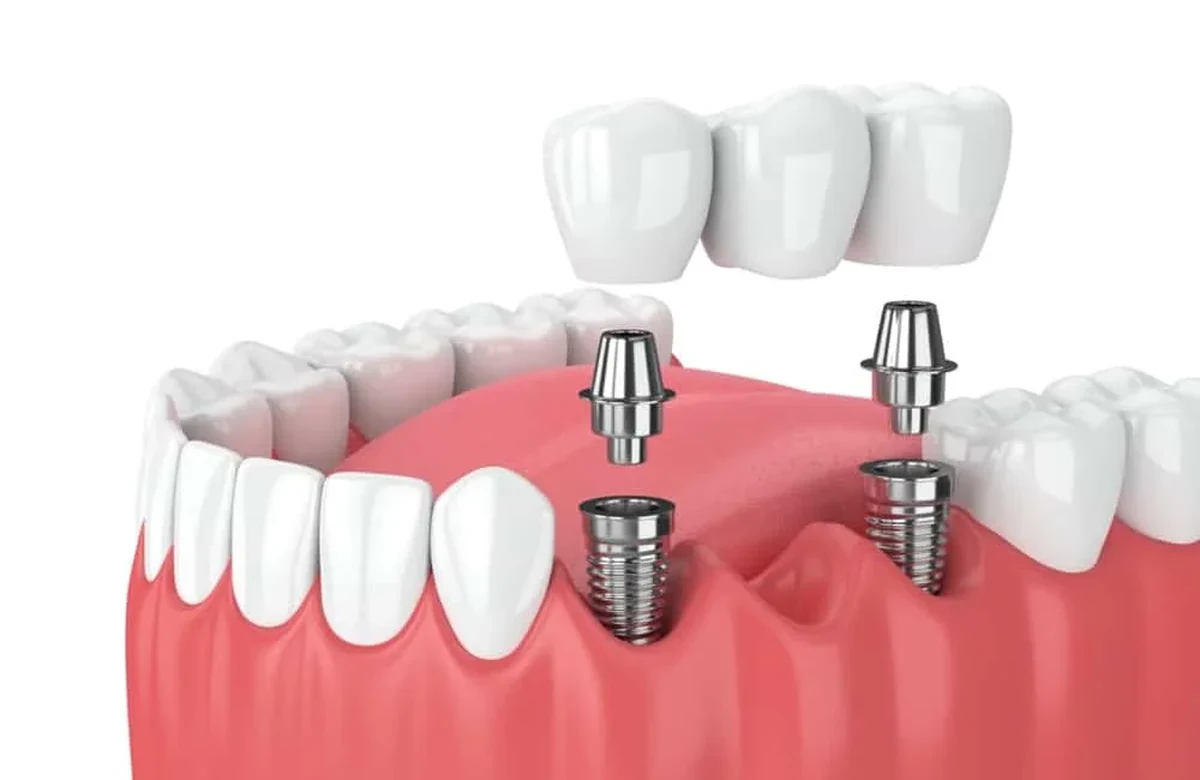
Sedation may be an option for implant treatment, depending on your health, the procedure and the services available at the chosen clinic. Anxiety alone does not rule out an implant or automatically mean sedation is needed. Discuss what makes treatment difficult for you, such as injections, a previous experience or uncertainty about the procedure. Local anaesthetic, shorter stages and a separately assessed sedation route can then be compared.
Distinguish numbness from sedation
Local anaesthetic numbs the operating area while you remain aware. Sedation aims to reduce anxiety or awareness to an extent that depends on the technique; it differs from general anaesthesia and does not replace local pain control. Each sedation method needs appropriate staff, monitoring and recovery arrangements. The practice should confirm what it provides, assess medical suitability and explain any escort, travel or driving restrictions.
Plan around the actual surgical burden
A single straightforward implant may have a different expected appointment length and postoperative course from several implants combined with grafting. A diagnostic scan, medical history and discussion of the proposed tooth replacement help the clinician explain the intended stages. If a bone graft might be needed, patients should understand whether this changes the visit, healing interval or sedation considerations. Some people are reassured by the prospect of splitting treatment into shorter stages rather than scheduling one longer session.
What an anxiety-sensitive consultation looks like
You can agree a stop signal and decide how much explanation you would like before each stage. The dentist should explain how numbness will be checked. Noise, suction and pressure can be discussed without promising an absence of all sensation. Previous reactions to medicines, relevant health conditions and any linked medical concerns also need assessment. There should be time to understand the options before committing to surgery.
Interim replacement while deciding
An adhesive temporary tooth, denture or other provisional replacement may allow someone to maintain appearance while preparing for treatment. In a non-urgent missing-tooth situation there is often time to assess anxiety, gather radiographs and compare alternatives. A resin-bonded bridge or conventional bridge may meet the person's objectives without implant surgery, depending on neighbouring teeth and the bite. The risks and maintenance obligations of these options still deserve explanation rather than being dismissed as a compromise.
Questions to resolve before booking
Ask which anxiety-management measures are available in the chosen clinic, who administers and monitors any sedation, what medical screening is needed and how recovery arrangements work. Confirm how unexpected surgical changes would be managed if the planned procedure cannot be completed. The aim is informed choice and appropriately supported treatment, not an unrealistic promise that every anxious patient can or should receive sedation.
An illustrative appointment plan for a nervous implant patient
For example, someone considering a lower premolar implant may find injections and unexpected instrument use difficult after a previous extraction. Planning could include an explanation of each stage, checks of the local anaesthetic and an agreed hand signal to pause. Shorter visits, more explanation or an available sedation assessment may help. If sedation is considered, medical review, monitoring and any required escort need arranging. The choice should respond to the person's needs and procedure.
A provisional adhesive replacement might allow time to make that decision without feeling forced into the first surgical slot. Conversely, someone with severe anxiety and multiple proposed grafted sites may need a different team or setting. Ask which named professional is responsible for sedation, whether it is available at the intended site, and how contact will be maintained after discharge. If the patient remains uncomfortable, choosing a bridge or deferring elective surgery can be a legitimate outcome. Informed consent requires the freedom not to proceed as much as the confidence to proceed with support.
Your next step, when you’re ready
We would be pleased to welcome you for a £30 consultation at your preferred Iconic Smiles practice. Bring your questions, and we can talk through the options that may suit you.
Any additional investigations and their fees will be explained before you decide.