
Dental implants — replacing missing teeth
Dental Implants for People Who Grind Their Teeth: Planning the Bite
A person who clenches or grinds can still be considered for implant dentistry, but the mechanical design deserves careful attention.
Explore your tooth replacement options
If you are considering replacing a tooth or several teeth, a £30 consultation gives you a chance to explain what matters most, ask questions and explore the options with our team.
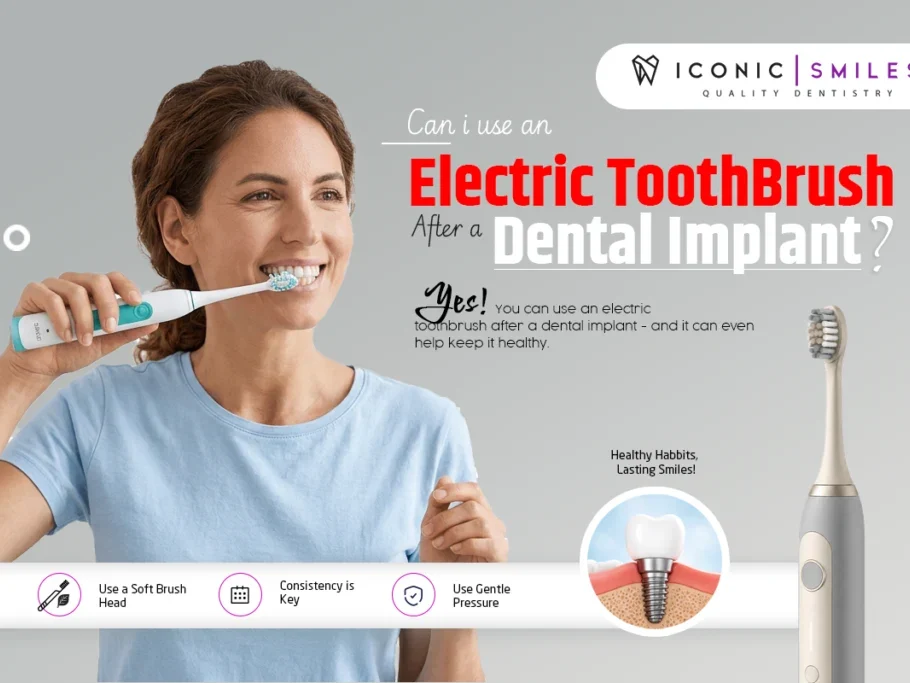
If you clench or grind your teeth, dental implants may still be an option, but the mechanical design deserves careful attention. An implant is anchored directly to bone and does not have the same periodontal ligament as a natural tooth. The fixture may integrate well while the crown, screws or prosthetic components experience demanding loading. The first consultation should focus on designing a maintainable replacement, not on promising that an implant will stop grinding.
First establish what kind of grinding is present
Bruxism can involve awake clenching or sleep-related jaw-muscle activity. Flattened teeth, fractured fillings and a history of morning jaw fatigue may raise suspicion, but tooth wear alone does not reliably quantify present-day muscle activity. The clinician should ask about symptoms, existing restorations and previous protective appliances. Conditions affecting sleep or medications may sometimes warrant separate medical consideration. A key distinction is that tooth replacement treats a missing tooth; it does not directly treat the neurological or behavioural drivers of bruxism. Improvement of the bite should not be advertised as a guaranteed cure.
The implant fixture and crown have different engineering roles
The implant in bone supports a connecting abutment and crown. Screws, ceramic or other connectors can develop mechanical problems even when the implant remains integrated. Crown width, fixture position, material and the direction of forces therefore need planning together. A narrow implant under a broad molar crown presents different demands from a proportionate front replacement. Surgical positioning should follow the intended tooth and bite.
Examine how the teeth contact during movement
Clenching and sideways jaw movements can place substantial forces on a restoration. The assessment considers opposing teeth, available height and contacts that could load the implant from an unfavourable angle. Contour adjustment may reduce concentrated loading but cannot eliminate grinding. Missing teeth elsewhere and the arrangement and connection of several implants can also affect the design. Surgical and restorative clinicians should agree those decisions.
What materials and connections can offer
Modern restorative materials have different strengths, appearance and repair characteristics. Zirconia may be considered in some high-load regions, while other ceramics can provide optical advantages; neither material removes the need for sound geometry and reasonable thickness. Screw-retained crowns may make retrieval easier in selected situations, whereas cemented designs have other restorative considerations. Ask how a worn or damaged component could be removed and repaired without disturbing a stable implant. A sensible plan considers the consequences of foreseeable mechanical problems as well as the appearance on delivery day.
A protective appliance may be considered, but must be tailored
Some patients with heavy wear or bruxism may be advised to use an occlusal appliance after restoration. The design needs to accommodate all natural teeth and restorations safely and should be reviewed if further dentistry changes the bite. A generic shop-bought guard should not be assumed suitable over a new implant crown or full-arch prosthesis. Maintenance visits also need to check for loosening, wear, cleaning difficulties and peri-implant tissue health. The need for professional monitoring remains even when the restoration feels comfortable and chewing is normal.
What the implant consultation should clarify
Explain your grinding history and bring any existing guard. Ask how implant position, number, crown shape and opposing contacts will be selected and what mechanical complications could cost to repair. Compare implants with bridges or dentures if these are reasonable alternatives. The clinician should distinguish failure of the fixture from repairable wear of prosthetic components and should avoid offering a numerical lifespan guarantee. Good implant care aims for predictable function and repairability in the real conditions of your mouth.
The new crown can influence force more than the implant brand
Before treatment, review the exact contacts and width of the proposed chewing surface. An unnecessarily broad crown may create forces a more proportionate shape could avoid. The number and distribution of teeth, any unsupported bridge extension and the remaining natural teeth also matter. The clinician can explain whether a protective appliance or wider bite changes are appropriate. Reviews should check crown contacts as well as tissue health.
References and further reading
Book an assessment
The practices are in Hatfield and Cheshunt in Hertfordshire, and Friern Barnet in North London. For travel from Bedfordshire, Buckinghamshire or Essex, confirm the actual practice and any sites involved in later stages.
Pandya (GDC 114822).Content updated: 26 October 2026.
Your next step, when you’re ready
We would be pleased to welcome you for a £30 consultation at your preferred Iconic Smiles practice. Bring your questions, and we can talk through the options that may suit you.
Any additional investigations and their fees will be explained before you decide.