
Bonding, veneers and whitening
Porcelain veneers and teeth grinding: adapting the treatment plan
Considering veneers if you grind your teeth? Explore wear, bite assessment, material limits and protective planning before deciding on treatment.
Discover what could suit your smile
Whether you are thinking about colour, shape or a subtle change, a £30 consultation is a welcoming place to share your ideas, ask questions and explore a personalised approach.
£30 for a planned-treatment consultation. Scans, additional investigations and emergency assessments may have separate fees; please confirm when booking.
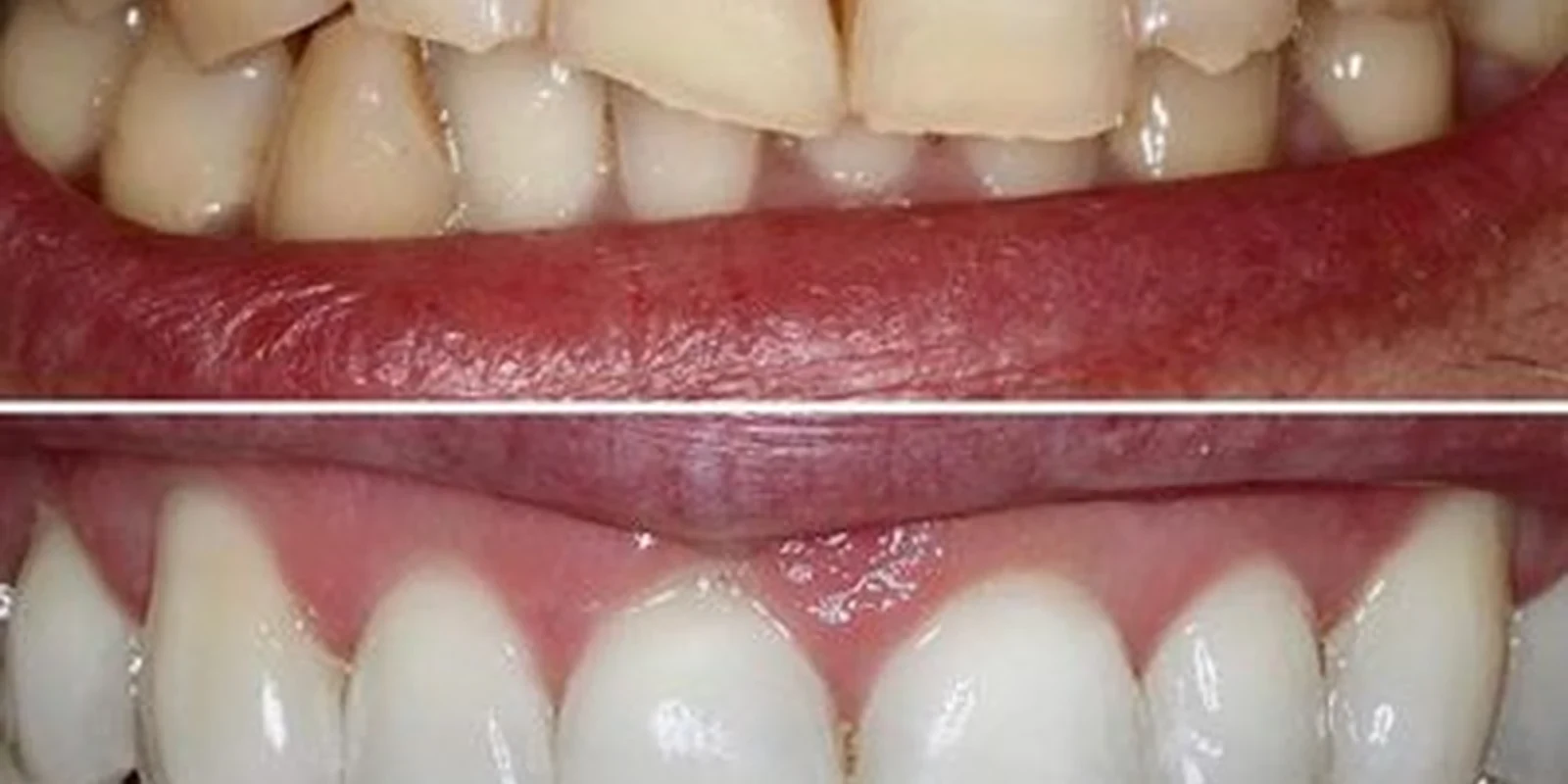
You may love the idea of porcelain veneers but worry that your teeth grinding will undo the result. Perhaps you already know you clench your jaw, have woken with sore muscles or have been told your front teeth are worn flat. You may even have had bonding chip repeatedly. It is sensible to raise these concerns before deciding on veneers, because the forces that affect natural teeth can also affect ceramic restorations.
Grinding does not automatically rule out porcelain veneers. But it changes the questions your dentist needs to answer about tooth preparation, ceramic design, bite contacts, the extent of existing wear and whether a protective appliance would be appropriate. It is also important to distinguish a habit that occurs during sleep from conscious daytime clenching, as the circumstances and management can differ. A personalised assessment matters far more than an advertisement promising unbreakable veneers or a simple nightguard that supposedly solves everything.
First, what do dentists mean by bruxism?
Bruxism is a term used for repetitive jaw-muscle activity that can include clenching or grinding. It may occur during sleep or while awake. Not everybody who grinds develops broken teeth, and not all tooth wear is caused by bruxism. Acids in the diet, reflux, tooth position and other factors can contribute to changes in tooth surfaces. The clinician therefore needs to examine the pattern rather than make assumptions from one flat tooth.
The NHS describes bruxism as a condition sometimes associated with stress or anxiety, sleep problems and damage to teeth or fillings [1]. Patients may report jaw tenderness or headaches, but those symptoms do not uniquely identify the cause. If you have persistent facial or jaw pain, it may warrant a broader assessment rather than being treated solely as a cosmetic dental issue.
Tell your dentist whether you have previously chipped crowns, worn through a protective appliance or noticed changes to the way you bite. This history can help identify patterns that a photograph of the current smile cannot show. It also gives context for judging what type of veneer, if any, is appropriate.
Why does grinding matter to porcelain?
Ceramic veneers rely on appropriate bonding, design and a favourable relationship with the opposing teeth. They can be durable in selected circumstances, but strong or repetitive forces may increase the risk of fracture, chipping or debonding. The direction and location of force can matter as much as how strong you think your jaw is. A small veneer edge that repeatedly meets a lower incisor at an unfavourable angle may be vulnerable.
Clinical studies of porcelain veneers report good long-term survival overall, but complications do occur. An observational follow-up study found bruxism was associated with a higher risk of veneer failure in its patient cohort [2]. This cannot be used to predict that any particular person will experience the same outcome, because design, materials and individual conditions differ. It does support treating grinding as a genuine risk factor rather than a harmless footnote.
Ask the dentist how the proposed veneers would contact the lower teeth during normal closure and jaw movement. If previous bonding has broken in the same position, the clinician should explain why the new design would behave differently rather than simply replacing composite with porcelain.
Does grinding make veneers unsuitable?
There is no single yes-or-no answer. The severity and pattern of the habit, available enamel, degree of existing wear, shape of the bite and the planned number of veneers all influence suitability. In some patients, carefully designed veneers may be reasonable with appropriate risk management. In others, orthodontic treatment, conservative composite, onlays, crowns or no immediate cosmetic treatment may be more appropriate.
A dentist may be especially cautious if the upper and lower front teeth meet edge-to-edge, if there is little restorative space or if repeated fractures suggest an unstable contact pattern. Heavily restored teeth may also have less enamel available for bonding. These are independent clinical considerations, not merely consequences of having a strong jaw.
A responsible consultation should compare the desired aesthetic change with the amount of risk you are willing to accept. Some patients value maximum preservation of tooth structure and prefer a repairable composite option. Others choose ceramics after understanding the possibility of future replacement. The choice should remain yours, informed by evidence and a realistic explanation of limitations.
The bite should be examined before any preparation
If your front teeth are already worn flat, the space available for adding a ceramic facing may be limited. A veneer designed without adequate room might be made too thin for its intended function or alter contacts in an unfavourable way. Creating room through excessive tooth reduction is not automatically the right solution either, particularly when healthy enamel is valuable for bonding.
The dentist should examine how the upper and lower incisors meet, where the back teeth contact and what happens during sideways and forward movements. Where the bite is deep or edge-to-edge, orthodontic correction may sometimes create a more favourable relationship before veneers are considered. In other cases, a more restrained shape or different restorative method may be preferable.
Ask whether any proposed increase in tooth length will create a new contact. The smile design needs to look attractive both when you smile and when you close your mouth. A restoration that is beautiful in an open-mouth photograph but chips during ordinary chewing has not been successfully planned.
How much does tooth preparation matter?
Enamel is an important bonding substrate for many porcelain veneers. If extensive preparation leaves a large proportion of the restoration bonded to dentine, clinical behaviour may be different. A retrospective study reported an association between preservation of enamel and lower veneer failure risk, while acknowledging the limitations inherent in observational data [3].
For a patient with grinding wear, conserving enamel may be particularly important. Yet a 'no-prep' label is not sufficient by itself: if the tooth is already prominent, adding ceramic can produce a bulky contour or an unfavourable contact. The dentist must weigh material thickness, space, natural tooth shape and bonding substrate to design an appropriate preparation.
Ask exactly which surfaces would be altered and why. If multiple teeth are proposed for veneers, there may be differences between them: one may have sound enamel and favourable shape, while another is extensively restored or heavily worn. They should not all receive identical treatment simply to complete a standard cosmetic package.
Which ceramic and design should be considered?
Different porcelain and glass-ceramic systems have different optical and mechanical characteristics. The appropriate choice depends on the tooth colour, available thickness, bonding conditions and forces expected. A highly translucent material may help mimic natural enamel, but it is not automatically the best option for every heavily worn or dark underlying tooth. The technician and dentist need to coordinate material, shape and bite.
Systematic reviews of veneer outcomes suggest favourable survival for selected ceramic systems but do not show that any material eliminates technical complications [4]. Layering, edge design, preparation and surface finish affect how the restoration performs. The dentist should be able to explain why a particular material is appropriate for your case, without relying on claims that it is the 'strongest' or 'latest' product available.
It is reasonable to ask how a damaged veneer would be managed. Small defects may sometimes be polished or repaired, while significant fracture may require replacement. Understanding the repair pathway and costs is part of choosing a premium treatment responsibly.
Will a nightguard protect the investment?
A dentist-made occlusal splint or nightguard may be recommended for some people who grind or clench, especially when there is a history of damaged teeth or restorations. It can be designed to protect certain surfaces from contact during sleep. However, it does not necessarily stop the underlying muscle activity, and it cannot guarantee veneers will never fracture. The NHS describes professionally made mouthguards as one possible dental treatment for bruxism [1].
If a protective appliance is advised, ask when it will be made and how it will fit over the final veneers. A guard made before changes to the teeth may need adjustment or replacement. Ask about its cleaning, storage, expected lifespan and whether you should wear it every night. The appliance only helps when it fits and is used as instructed.
Some patients assume a mouthguard excuses very long ceramic edges or a poor bite design. It does not. The restoration and the appliance should be planned together. If you continue to chip teeth despite protection, the cause deserves reassessment rather than simply manufacturing a thicker guard.
What about daytime clenching and jaw discomfort?
If you clench during concentration or stress, your clinician may discuss awareness of the habit, reducing unnecessary tooth contact and appropriate management of any associated pain. These behaviours are different from unconscious sleep bruxism and may need a different approach. Persistent jaw symptoms should not be used as a reason to sell veneers; cosmetic restorations do not cure jaw-muscle disorders.
Ask whether your bite symptoms need assessment before elective treatment. Pain near the jaw joint, restricted mouth opening or unexplained facial discomfort can have several causes, and it may be sensible to stabilise or investigate them first. The NHS provides general advice about teeth grinding and encourages assessment when there is pain or damage [1].
Your goal may still be a more attractive smile, but protecting your long-term comfort comes first. A clinician who recommends delaying veneers until another issue has been reviewed may be giving you valuable advice, not depriving you of a cosmetic opportunity.
Should you consider composite bonding instead?
Composite resin is generally more readily repairable than a ceramic veneer in some situations and may allow conservative addition to short or worn teeth. That can make it attractive for patients with repeated chipping or uncertain bite forces. However, composite can also wear, stain or fracture and should not be presented as risk-free. Repeated repair can become inconvenient and costly.
Porcelain may provide useful aesthetic and surface properties in a well-chosen case. The right comparison considers how much healthy tooth each approach preserves, the planned edge position, expected maintenance and the possibility of repair. A crown may be appropriate for a heavily restored tooth but involves a different level of coverage and preparation. Orthodontics may sometimes allow a better restorative position with less material.
Ask the clinician to explain what would happen if you chose the most conservative workable option first. For some patients, seeing how the bite behaves with a repairable provisional or composite result may inform a later ceramic decision. The plan should suit your long-term priorities rather than a predetermined material preference.
How should a trial smile be used for a grinder?
A mock-up or trial can help you assess tooth length, shape and appearance before irreversible preparation. But a temporary mock-up is not a validated test of whether the eventual porcelain will resist years of grinding. The dentist still needs to consider tooth contacts, material and the patient's history. A trial can reveal where speech or bite feels awkward and prompt useful adjustments.
Look at the design from normal speaking distance and while closing the teeth. If the new front edges feel too dominant, mention it. Ask whether the proposed contours will be checked again after the definitive veneers are fitted and how later adjustment is managed. An attractive trial is a design tool, not evidence that all long-term risks have been solved.
It may help to review previous restorations and fractures during planning. A photograph of an old chipped bonding edge can be clinically more informative than a carefully edited image of an ideal smile.
What does the long-term maintenance plan involve?
Expect regular examinations, careful oral hygiene and monitoring of the veneer margins, gum health and bite. If a nightguard has been recommended, its fit should be reviewed, especially if you have had other dental treatment. Report new roughness, a chip, looseness or a change in bite rather than continuing to chew heavily on a damaged veneer.
Research on veneer survival reflects selected populations and varied designs. A systematic review found high estimated survival in many studies but confirmed that fracture and debonding remain recognised complications [5]. No percentage can be honestly converted into a personal lifetime guarantee. Your long-term risk depends on multiple factors, including how the ceramics are planned and maintained.
Ask whether the quotation includes early bite reviews and whether future repairs, guard replacement or remake costs are separate. A complete financial decision considers maintenance as well as the initial smile transformation.
Questions patients who grind should ask
Can I have porcelain veneers if I grind my teeth? Sometimes. Suitability depends on bite, tooth structure, degree of wear, proposed design and overall risk. An individual assessment is essential.
Are zirconia or other ceramics guaranteed not to chip? No. Different materials have different properties, but no ceramic restoration is indestructible and design matters.
Will a mouthguard stop grinding? A splint may protect teeth and restorations, but it does not necessarily eliminate grinding or every cause of jaw discomfort.
Could Invisalign help before veneers? If unfavourable tooth positions contribute to contacts, orthodontics may sometimes improve the situation. It is not appropriate or necessary for everyone.
Would bonding be safer? It may be more repairable and conservative in selected cases, but can still fracture. Compare the whole design and maintenance commitment rather than the material label.
Build the smile around its real-world demands
At an Iconic Smiles cosmetic consultation, tell the dentist about grinding, existing tooth wear and previous broken restorations before discussing veneer numbers or shade. The £30 consultation mentioned in this editorial brief is subject to confirmation and may not include any additional diagnostics. The strongest plan is one that is attractive, proportionate and honest about risk—not one that promises porcelain will withstand every force for life.
Clinical sources and further reading
- NHS — Teeth grinding (bruxism)
- Long-term veneer follow-up study — Clinical performance up to 20 years
- Study — Influence of enamel preservation on porcelain veneer outcomes
- Systematic review and meta-analysis (2024) — Ceramic laminate veneers
- Systematic review — Porcelain laminate veneer survival and complications
Educational material only. Grinding patterns and veneer suitability require a dental examination; study outcomes cannot establish an individual prediction.
Your next step, when you’re ready
We would be pleased to welcome you for a £30 consultation at your preferred Iconic Smiles practice. Bring your questions, and we can talk through the options that may suit you.
£30 for a planned-treatment consultation. Scans, additional investigations and emergency assessments may have separate fees; please confirm when booking.