
Invisalign and teeth straightening
Teeth Grinding and Invisalign: Can You Have Both?
If you clench or grind your teeth, aligner planning needs to take account of tooth wear, jaw symptoms and the appliance’s limitations.
Talk to us about straightening your teeth
You might have a particular change in mind, or simply want to know what is possible. At a £30 consultation, we can talk through your goals and explain how the next steps are planned.
ICONIC SMILES · DIAMOND APEX
Invisalign care. Diamond Apex experience.
Choose Iconic Smiles, a Diamond Apex Invisalign provider serving Hertfordshire and North London, for individually planned clear aligner treatment.
What does Diamond Apex Invisalign Provider mean?
Diamond Apex is an Invisalign provider tier recognising high annual treatment volume. It reflects extensive experience with the Invisalign system. Your treatment is planned around your teeth, bite and goals, with clinical reviews and retention discussed from the outset.
You may be able to have Invisalign if you grind or clench, provided the plan accounts for wear, jaw symptoms and the demands on the appliance. Grinding does not automatically exclude orthodontics. Aligners move teeth and should not be treated as interchangeable with a protective nightguard.
Distinguish evidence of grinding from its cause
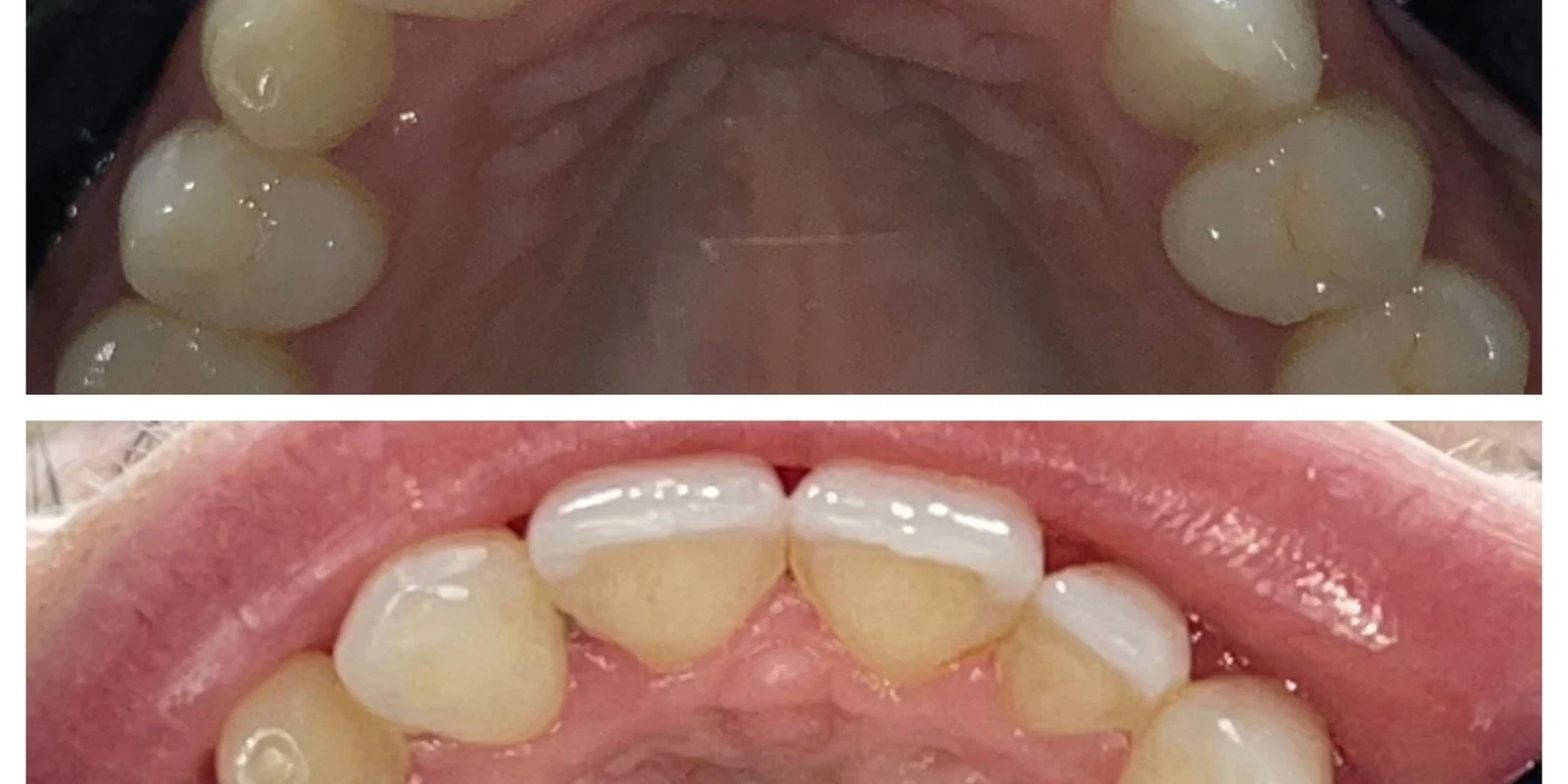
Tooth wear can have several causes, including acid erosion and mechanical attrition. A clinician may check facets on teeth, cracks, sensitive muscles, existing restorations and jaw-joint symptoms, but cannot infer exactly when or why you clench from wear alone. Stress, sleep and other health issues may be relevant. An appropriate diagnosis is more useful than simply labelling the teeth as a cosmetic alignment problem.
Why appliances need a clear purpose
Aligners use staged forces to move teeth. A nightguard or bite splint has a different purpose, and neither reliably cures grinding. Heavy contacts can affect tray wear, attachments or restorations. The assessment should establish whether symptoms need stabilising first and whether a separate protective plan or another appliance is appropriate.
Plan for restorations after alignment
Worn teeth may require bonding, onlays or crowns, but their timing matters: restoring teeth before alignment can change attachment fit and bite; restoring after alignment may require a planned retention update. If vertical tooth loss or unstable contacts are present, the plan may involve restorative and orthodontic clinicians together. The final bite, not just the straightness of the front teeth, needs review.
Questions to bring to a Hatfield appointment
Explain morning jaw soreness, headaches, broken fillings and any previously prescribed night guard. Ask about the risks to aligners, what symptom changes should prompt review and how post-treatment retention will be managed. Bring your current splint and any recent dental records rather than stopping its use without guidance.
Grinding does not automatically rule out clear aligners
Bruxism can involve sleep-related grinding, daytime clenching or both. The immediate question is whether the habit has damaged teeth, strained muscles or worn restorations, and how that changes orthodontic planning. Clear aligners cover the teeth, but they are not equivalent to a purpose-designed occlusal splint. Their relatively thin plastic can be damaged by heavy forces. A dentist may need to distinguish habitual clenching from pain caused by an uneven bite or other dental disease before deciding which appliance can be used safely.
Look for the mechanism behind the wear
Flattened biting surfaces, chips, cracks and worn enamel are clues, but they do not prove that every episode is happening at night. Daytime muscle activity and acidic wear can complicate the picture. The assessment should examine the distribution of wear, jaw movement, periodontal support and any restorative work, together with symptoms such as morning muscular discomfort. If tooth shape has already changed significantly, the proposed aligner end position must leave room for any future restorations rather than moving teeth into a layout that later becomes difficult to rebuild.
Sequence treatment around health and function
For a person with mild crowding and uncomplicated grinding, routine aligner treatment may still be realistic. Active tooth fracture, uncontrolled gum inflammation, significant muscle pain or a complex bite may warrant investigation or stabilisation first. A clinician might favour a particular appliance, different review frequency or restorative protection. No appliance should be sold as a cure for the underlying clenching habit. If a separate night guard is normally used, do not assume it can simply be worn over the aligners without an agreed plan.
A practical plan for home and work
Before starting, consider consistent wear, meal breaks, cleaning and review visits. If you clench heavily, the team should show you how to recognise a cracked or distorted tray and when to contact them. Check whether replacement aligners, refinements and retainers are included, as wear can affect maintenance. A Hertfordshire consultation should connect the cosmetic goal with the forces and function the teeth must manage.
Your next step, when you’re ready
We would be pleased to welcome you for a £30 consultation at your preferred Iconic Smiles practice. Bring your questions, and we can talk through the options that may suit you.
Any additional investigations and their fees will be explained before you decide.