
Dental implants — replacing missing teeth
Dental implants after gum disease: planning for long-term care
If you have previously had gum disease, looking after your implants and the surrounding tissues deserves a long-term plan. Explore regular reviews, careful cleaning and what to discuss with your dental team.
Explore your tooth replacement options
If you are considering replacing a tooth or several teeth, a £30 consultation gives you a chance to explain what matters most, ask questions and explore the options with our team.
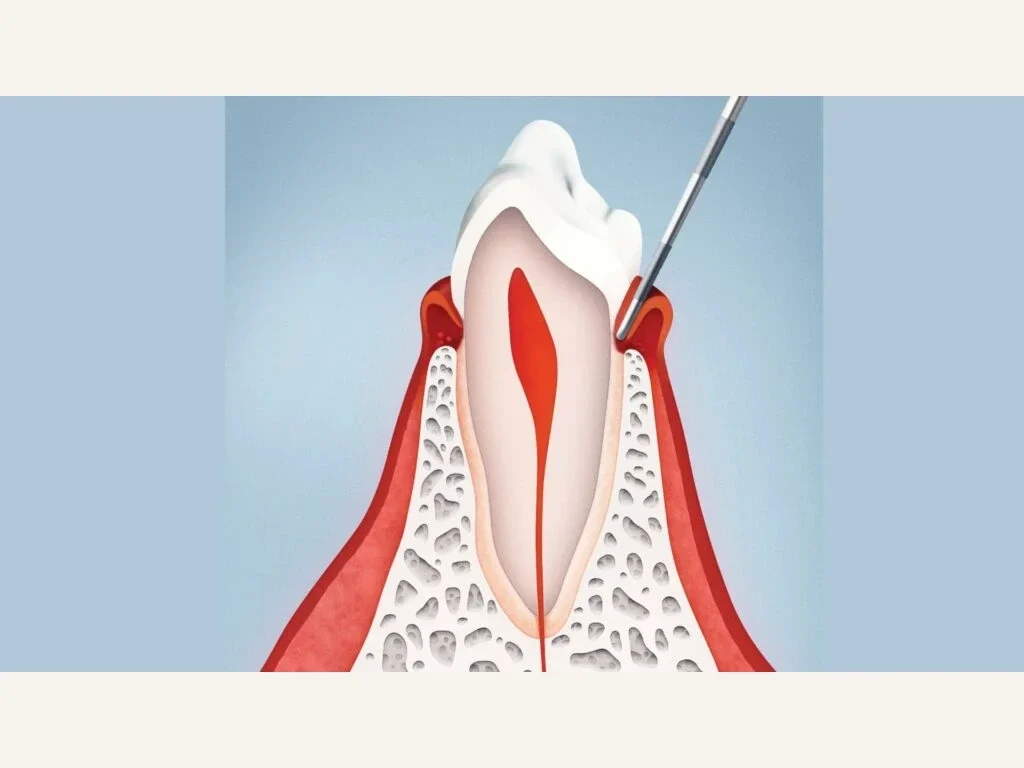
If you are considering implants and have a history of gum disease, your assessment should include your current gum health and the maintenance you may need afterwards. This is an important part of deciding whether implants suit you.
The restoration does not end the disease-management history
Before implants are planned, the team needs to check your current gum health and understand any previous gum disease. Replacement teeth do not remove the need to look after the remaining teeth and surrounding tissues. European Federation of Periodontology (EFP) guidance recommends structured continuing care after implants are fitted with teeth; that commitment belongs in the discussion before you start. [1]
Know which structures the appointment assesses
Your maintenance plan should cover natural teeth, the tissues around the implants and the replacement teeth themselves. You should know who checks each part, what the appointments include and how clinicians share findings. That makes the continuing care easier to understand and follow.
Use a cleaning routine matched to the actual restoration
Ask the team to show you how to reach the relevant surfaces and spaces around the crown, bridge or denture. Explain dexterity problems, discomfort or an area you cannot access. The right response is to assess the barrier and the proposed method, rather than repeatedly add products without knowing whether they solve it. EFP guidance includes prevention within planning as well as aftercare. A maintainable design and an achievable patient routine are connected decisions, so continuing difficulties deserve discussion rather than being treated as an inevitable price of the reconstruction. [1]
Report changes even when the implant feels firm
Part of preparing for implants is knowing which changes need a call between reviews. New or persistent bleeding, swelling, pus or other concerning changes can need attention even when an implant feels firm. The terms mucositis and peri-implantitis describe different tissue problems: the first affects the soft tissues, while the second also involves supporting bone loss. An examination establishes the diagnosis. During your care, describe where and when a change began rather than waiting for severe pain or movement. [2]
Treat a prosthetic problem as its own question
A chipped tooth on a bridge, a loose connection and a problem with the supporting implant are different events. NHS information notes that components can loosen or wear, so a change in fit or function should be reported. Ask which part is affected and what the proposed repair is intended to achieve. Do not attempt to glue or tighten a restoration at home. A repair decision should consider the rest of the prosthesis and tissues as necessary, rather than assume every problem requires removing the entire reconstruction. [3]
Make the follow-up proportionate and documented
Before starting, agree how review intervals will be chosen and which changes mean you should contact the team sooner. Your plan should identify who provides continuing care, what is included, any separate fees and how additional treatment would be agreed. Reviews need to suit your findings rather than follow one timetable for everyone. [1]
Keep success defined realistically
Long-term research distinguishes an implant remaining present from broader measures of success and complications. A supportive-care visit should therefore be connected to tissue health, serviceability and the patient’s concerns, not only the continued presence of the fixture. At Iconic Smiles, confirm the named clinician and location responsible for your continuing care. The useful outcome is an understood plan for prevention, review and timely response to change, without an unsupported promise that treatment has permanently removed every biological or technical risk. [4][5][6]
The main consideration:
When considering implants after gum disease, include daily cleaning and professional reviews in your decision. Your plan should cover your remaining teeth, implant tissues and replacement teeth, with clear contact arrangements between visits.
Research and guidance
- Prevention and treatment of peri-implant diseases-The EFP S3 level clinical practice guideline.
- Peri-implant diseases - European Federation of Periodontology EFP Logo Play icon Icon Teeth Icon Doctor Icon Implant
- Dental implants - Overview | Guy's and St Thomas' NHS Foundation Trust
- Ten years and beyond: Long-term dental implant survival, success, and biological health-A systematic review and meta-analysis.
- Dental Team | Meet the Iconic Smiles Clinicians
- Dental Practices in Hertfordshire & London | Iconic Smiles
Your next step, when you’re ready
We would be pleased to welcome you for a £30 consultation at your preferred Iconic Smiles practice. Bring your questions, and we can talk through the options that may suit you.
Any additional investigations and their fees will be explained before you decide.