
Dental implants — replacing missing teeth
Short Dental Implants vs Bone Grafting: Compare Options
Being told that a dental implant needs more bone does not always mean that bone grafting is inevitable.
Explore your tooth replacement options
If you are considering replacing a tooth or several teeth, a £30 consultation gives you a chance to explain what matters most, ask questions and explore the options with our team.
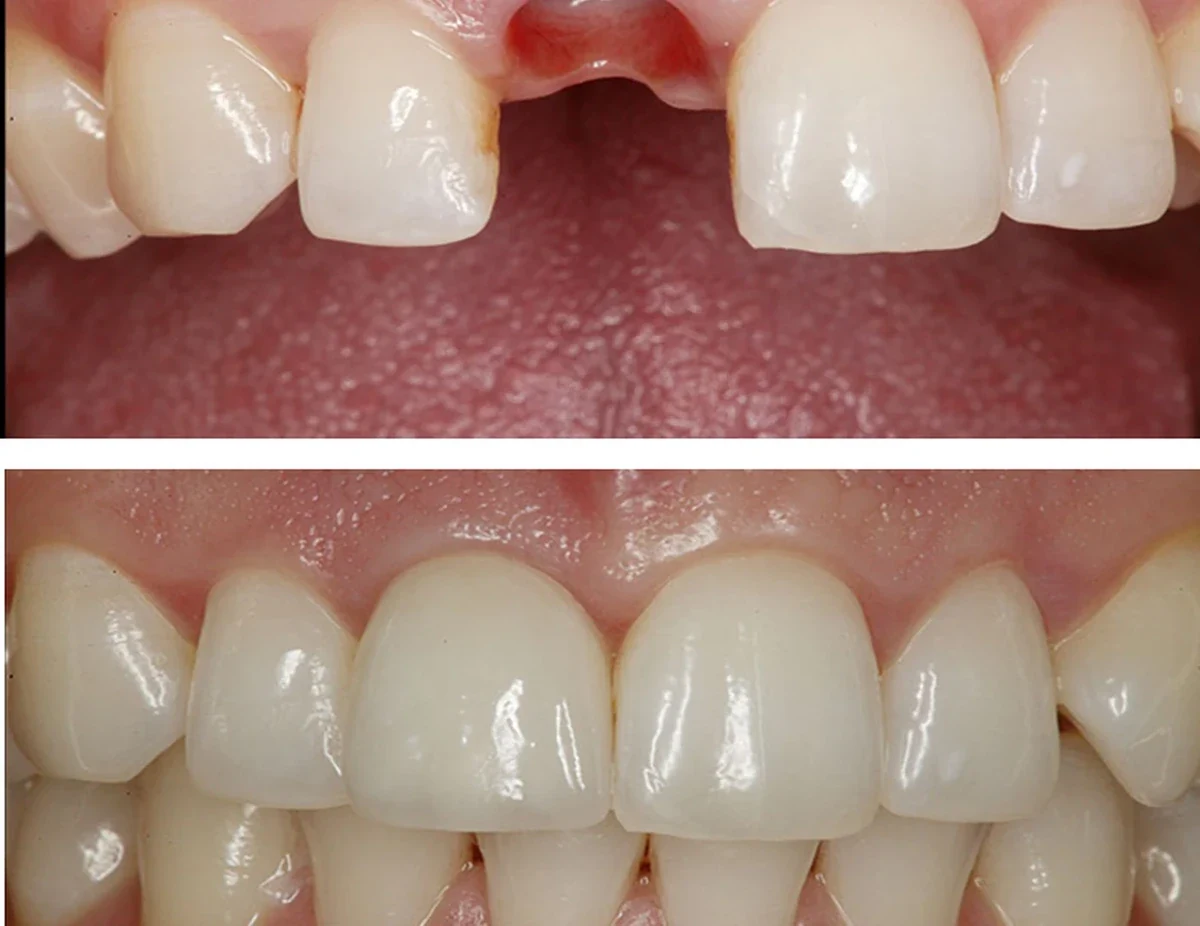
Being told that a dental implant needs more bone does not always mean that bone grafting is inevitable. In selected sites, a shorter implant can support an appropriate restoration without the same augmentation procedure that would be required for a conventional-length fixture. The most useful comparison is not 'short versus long' in isolation. It is whether each complete treatment route can place a stable, cleanable crown in the right position for your bite, anatomy and long-term maintenance.
Bone height is not the only measurement
At the upper back teeth, the sinus may limit implant height; in the lower jaw, the nerve canal can create a boundary. Width and quality of bone, gum thickness and space between the jaws also matter. A short implant in broad, dense bone differs from one in a narrow, softer ridge. The plan considers crown height, neighbouring contacts and whether an unsupported extension would increase leverage on the implant.
What the trials can and cannot tell us
Randomised trials have compared short implants at the upper back teeth with longer implants placed after sinus augmentation. Reviews often report broadly similar survival over the periods studied, with differences in bone levels at the margins and the amount of surgery. Systems, follow-up and study quality limit that comparison. A 2025 review of trials followed for at least five years found substantial risk of bias in many studies. The averages can inform the choice, but cannot predict your result or make short implants a suitable replacement for every grafted approach.
How the treatment experience can differ
If an anatomically suitable short implant avoids a separate graft, the patient may need fewer surgical stages. There can be differences in swelling, treatment duration and overall cost. Yet an implant can still require careful site preparation, healing, impression or scanning appointments and restorative reviews. Conversely, a longer implant with augmentation may create opportunities for a different prosthetic design in a selected case. The number of surgical visits is worth comparing, but it is not the sole measure of treatment quality or durability.
Crown mechanics deserve equal attention
Back teeth carry high chewing forces, especially with clenching or grinding. Implant width, connection and surface matter alongside crown shape and the way the teeth meet. A tall crown on a short implant is not automatically unsuitable, but the additional leverage and repair access need assessment. The result also needs to be cleanable. Before surgery, understand the alternative plan if sufficient stability cannot be achieved.
Other choices may be sensible
The broader options may include a fixed bridge, a removable replacement or a shortened dental arch that functions adequately without the missing distal tooth. Each has consequences. A bridge can require preparation of sound neighbouring teeth, while a removable prosthesis may be less desirable for someone seeking fixed teeth. Some patients have other missing teeth, in which case a combined plan makes more sense than deciding about one site at a time. The priority is restoring the function you actually need while preserving healthy structures where possible.
Questions that reveal an individual plan
Compare the site's cross-sectional measurements, proposed implant dimensions, crown design, graft alternative and expected visits. Both approaches need follow-up and an explanation of uncertainty. A short implant may reduce intervention in a suitable site, while grafting may be justified where anatomy and the restoration require it. The recommendation should explain those findings for your tooth.
Evidence and further reading
Weighing the two treatment routes
Compare the measured space, proposed crown and expected visits for each option. The useful choice is the one that addresses your anatomy and replacement needs with an acceptable surgical and maintenance commitment.
Iconic Smiles practices are in Hatfield and Cheshunt in Hertfordshire, and Friern Barnet in North London. If travelling from Bedfordshire, Buckinghamshire or Essex, confirm the actual practice for each appointment.
Your next step, when you’re ready
We would be pleased to welcome you for a £30 consultation at your preferred Iconic Smiles practice. Bring your questions, and we can talk through the options that may suit you.
Any additional investigations and their fees will be explained before you decide.