
Invisalign and teeth straightening
Choosing an Invisalign Dentist: Consultation Checklist
An Invisalign consultation should establish the orthodontic diagnosis, gum and dental health, achievable tooth movements, appliance alternatives, practical wear expectations and retention.
Talk to us about straightening your teeth
You might have a particular change in mind, or simply want to know what is possible. At a £30 consultation, we can talk through your goals and explain how the next steps are planned.
ICONIC SMILES · DIAMOND APEX
Invisalign care. Diamond Apex experience.
Choose Iconic Smiles, a Diamond Apex Invisalign provider serving Hertfordshire and North London, for individually planned clear aligner treatment.
What does Diamond Apex Invisalign Provider mean?
Diamond Apex is an Invisalign provider tier recognising high annual treatment volume. It reflects extensive experience with the Invisalign system. Your treatment is planned around your teeth, bite and goals, with clinical reviews and retention discussed from the outset.
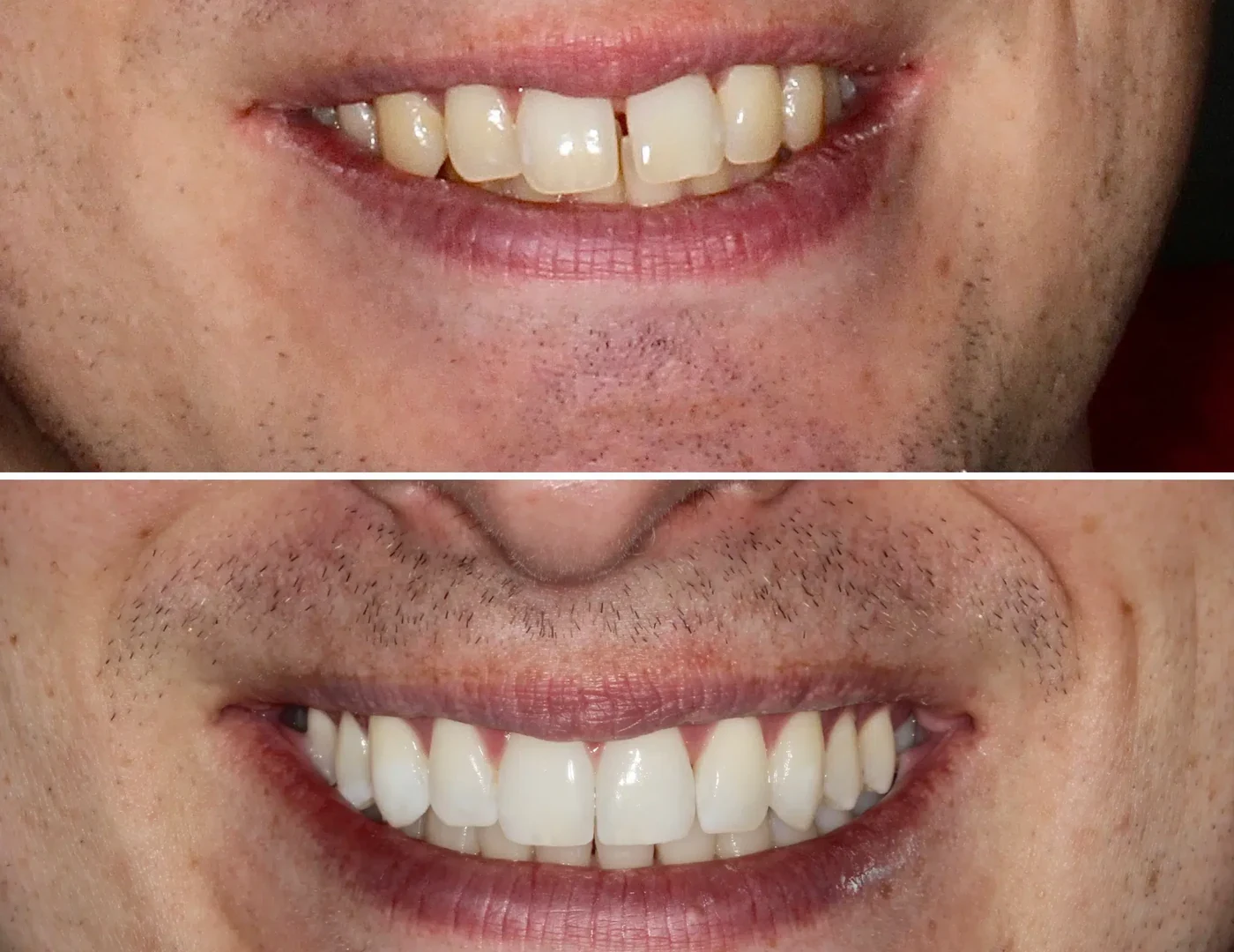
Choose an Invisalign dentist who explains whether aligners suit your teeth and bite, what movements are achievable and how treatment will be monitored. The consultation should also cover gum health, alternatives, daily wear and retainers. A simulation helps you explore the proposed changes without guaranteeing the final result.
A diagnosis goes beyond a scan
Records may include history, examination, photographs, intraoral scans and imaging when clinically indicated. Crowding, bite relationships, root positions, existing restorations and periodontal health affect suitability. An immediate visual preview of straight teeth should not bypass checking whether movement is biologically appropriate.
Define the treatment scope
Ask whether the proposal addresses both arches, the bite and any functional concerns, or only selected cosmetic alignment. Severe skeletal discrepancies, complex movements and active gum disease may require another approach or prior stabilisation. A responsible explanation describes what aligners may improve and what they may not resolve.
Compare appliance and sequencing options
Aligners, fixed braces and staged combinations offer different ways to control movement. Where restorations are planned, moving teeth before implants or bonding may improve the available space. The plan should explain attachments, any small reductions of enamel between teeth, review visits and the effect of missed wear time.
Understand refinements and retainers
The initial sequence is not necessarily the total treatment. Additional aligners, repairs, retainers and long-term retention have practical and financial implications. Ask which components and review appointments are included in the price and what happens if the original predicted movements are not achieved.
Ask about risks, not only aesthetics
Potential problems include discomfort, temporary speech effects, enamel or gum concerns, unwanted movement or relapse when retention is neglected. A treatment contract should explain consent, options if the plan changes and what clinical support is available between appointments.
Start with a diagnosis, not a moving picture
A digital tooth-movement preview can show a plausible target, but it does not diagnose the health of gums, roots or jaw joints. A properly scoped consultation examines the entire bite and distinguishes cosmetic alignment from treating a functional discrepancy. One person may need only minor alignment of crowded front teeth; another may have a deep bite, missing teeth or unstable gum support that changes the safe options. Ask whether the proposed simulation is a first draft or a clinically agreed plan, and what measurements justify the requested movements.
Compare aligners with alternatives fairly
Clear aligners are appealing because they are removable and discreet, but the trade-off is regular, disciplined wear. Fixed appliances do not depend on remembering to replace a tray after meals and can sometimes be better suited to demanding tooth movements. Some problems require extractions, attachments or specialist multidisciplinary input. Choosing Invisalign should not mean every other appliance is dismissed without examination. Ask the clinician to explain which movements might be less predictable in an aligner, what would count as underperformance and how the plan would be adjusted.
Treat the quotation as an orthodontic contract
The written quotation should show whether scans, indicated imaging, attachments, enamel reduction, reviews, refinements, replacement trays and retainers are included. A plan limited to upper front teeth should explain what it means for the lower teeth and bite. Timing must allow for biological response and any further stages; the number of simulated trays is not a guaranteed completion date. Confirm who oversees care and how you can contact the team between visits.
Retention belongs in the first conversation
Discuss retainers at the first consultation. Teeth can move after orthodontics, and the British Orthodontic Society emphasises long-term retention to help maintain alignment. Understand the proposed type, wear schedule, replacement cost and reviews. If you would not want to use retainers, weigh that commitment before starting. The discussion should also leave time for practical questions about discomfort, work, travel and cleaning.
Your next step, when you’re ready
We would be pleased to welcome you for a £30 consultation at your preferred Iconic Smiles practice. Bring your questions, and we can talk through the options that may suit you.
Any additional investigations and their fees will be explained before you decide.