
Invisalign and teeth straightening
One Front Tooth in Crossbite: When Should Children Be Assessed?
A front-tooth crossbite occurs when one or more upper front teeth bite behind the lower teeth instead of in front of them.
Talk to us about straightening your teeth
You might have a particular change in mind, or simply want to know what is possible. At a £30 consultation, we can talk through your goals and explain how the next steps are planned.
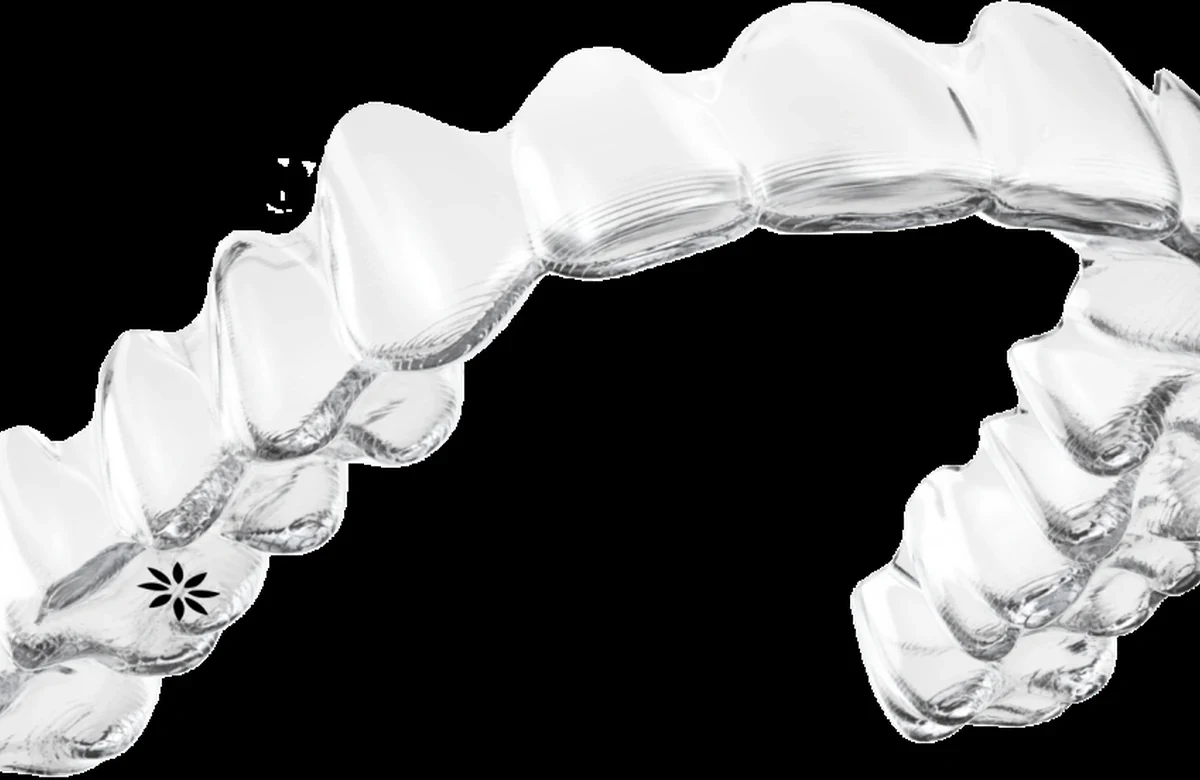
Arrange an assessment if a child's upper front tooth bites behind a lower one. The clinician can establish whether it is a displaced tooth, a jaw shift as the teeth meet or a wider jaw relationship. That distinction determines whether early limited treatment or observation is appropriate. A photograph of the crossbite alone cannot select the appliance or timing.
A single displaced tooth is not the same as a skeletal underbite
If one upper incisor erupts behind a lower tooth while neighbouring teeth bite normally, the problem may be largely dental. By contrast, when several front teeth bite behind the lower teeth, the clinician may need to consider the underlying jaw relationship, growth pattern and family history. Some children slide the lower jaw forwards to avoid an uncomfortable initial tooth contact. Recording the first point of contact and the position after the jaw slides can help distinguish a functional shift from the child's habitual bite. A photograph alone cannot show this reliably.
Why early assessment can be worth more than early full braces
An orthodontic evaluation during the mixed dentition—when baby and permanent teeth are both present—may identify a simple correction that prevents a repeatedly traumatic contact. That does not mean every child needs comprehensive braces immediately. Sometimes observation until further teeth erupt is appropriate; sometimes a limited removable or fixed appliance is advised. The clinician should identify what could change during growth and what might become harder if left untreated. Timing decisions should be linked to the specific tooth, its eruption stage and the bite, not to a general birthday threshold.
Examine enamel wear and the supporting gums
A reverse contact can load the lower front teeth or the upper incisor in an unusual way. The dentist should look for wear facets, a chipped edge, tooth mobility, gum recession and tenderness on biting. These signs do not automatically prove that crossbite correction will prevent future damage, but they provide relevant information about the urgency and treatment objective. Equally, a child with a mild crossbite and healthy teeth may need a different pace from a child whose jaw visibly shifts when closing. A sensible consultation records baseline findings for later comparison.
What treatment might involve
Where there is enough room, a displaced upper incisor may be moved forwards with a suitable removable appliance, a short fixed brace or another age-appropriate method. Temporarily opening the bite can let the teeth pass without locking against one another. Crowding and supporting tissues limit how safely that movement can be made. The team should explain the intended movement, control and wear requirements for your child.
Cooperation, comfort and retention matter
Removable appliances only work when worn as instructed. If the child frequently leaves an appliance out, a fixed approach might be more realistic, but that too requires brushing around brackets and regular reviews. Mild speech changes and initial discomfort may occur with certain appliances, and the clinician should explain what is expected and when to seek advice. After the immediate crossbite is corrected, the teeth still need monitoring as other permanent teeth erupt. Some children later need comprehensive orthodontics for separate crowding or bite issues; early limited treatment should not be advertised as a guarantee that braces will never be needed again.
Useful questions for the first visit
Before treatment, understand whether the crossbite involves tooth position, the jaws or a functional slide, and whether it is affecting enamel or gums now. Compare the benefit of limited early correction with observation. The appliance, reviews and cleaning need to be practical for the child, with a clear clinical reason for the chosen timing.
References and further reading
Book an assessment
The practices are in Hatfield and Cheshunt in Hertfordshire, and Friern Barnet in North London. For travel from Bedfordshire, Buckinghamshire or Essex, confirm the actual practice and any sites involved in later stages.
Editorially updated: 27 October 2026.
Your next step, when you’re ready
We would be pleased to welcome you for a £30 consultation at your preferred Iconic Smiles practice. Bring your questions, and we can talk through the options that may suit you.
Any additional investigations and their fees will be explained before you decide.