
Invisalign and teeth straightening
Permanent front tooth trauma in teenagers
A knocked-out permanent tooth is an urgent dental problem. Seek emergency dental care as soon as possible.
Speak with our team
If you need an urgent assessment, contact your preferred practice. Emergency appointment fees may differ.
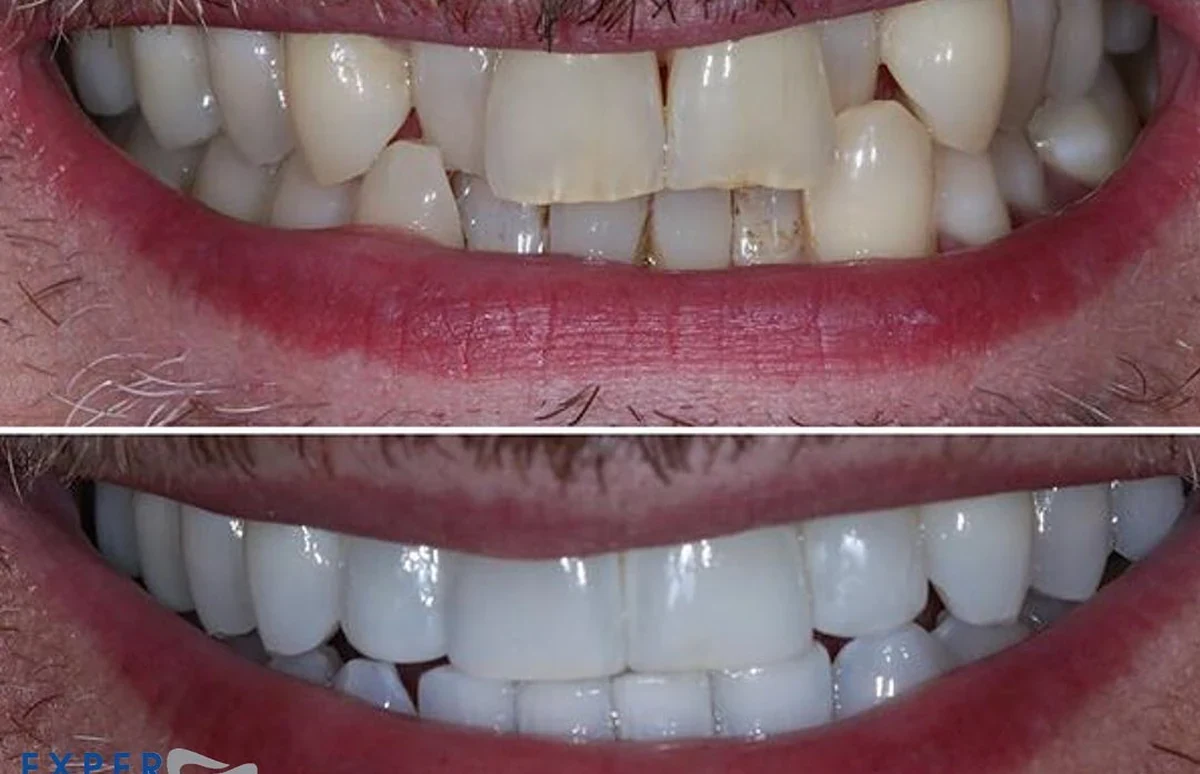
Act promptly when a permanent tooth is knocked out
A knocked-out permanent tooth is an urgent dental problem. Seek emergency dental care as soon as possible. Handle the tooth by its crown, the visible white part, rather than the root. The NHS advises gently rinsing a dirty tooth with milk, saline or saliva rather than scrubbing the root. [1]
Keep the tooth safe while getting help
NHS advice is to put a knocked-out permanent tooth back into its socket if it goes in easily and this can be done safely. If it cannot be replaced, keep it in milk or a container of the patient's saliva while seeking urgent care. Never put a baby tooth back into its socket. If you are unsure which type of tooth it is, explain that when you call for help. [1]
A tooth still in place may have a significant injury
A permanent tooth can need assessment after an impact even if it looks almost unchanged. Fractures and teeth that have been displaced need an appropriate diagnosis, treatment plan and follow-up. Tell the team how the injury happened, whether the tooth moves and whether the bite feels different. [2]
The emergency visit may not finish the treatment
After putting a tooth back, the dentist may examine it, take X-rays to assess its position and the injury, fit a splint and arrange further treatment or reviews. Keep those appointments even if the tooth looks better or discomfort settles. Putting it back is the first stage of care, with continuing checks still needed. [1][3]
Research and guidance
We are here to help
If you need prompt dental advice or an emergency appointment, contact your preferred practice. The team can explain availability and the assessment fee.