
Invisalign and teeth straightening
Thumb Sucking and Your Child’s Developing Bite: When to Seek Advice
Thumb or finger sucking is common in younger children and does not automatically signal a dental problem.
Talk to us about straightening your teeth
You might have a particular change in mind, or simply want to know what is possible. At a £30 consultation, we can talk through your goals and explain how the next steps are planned.
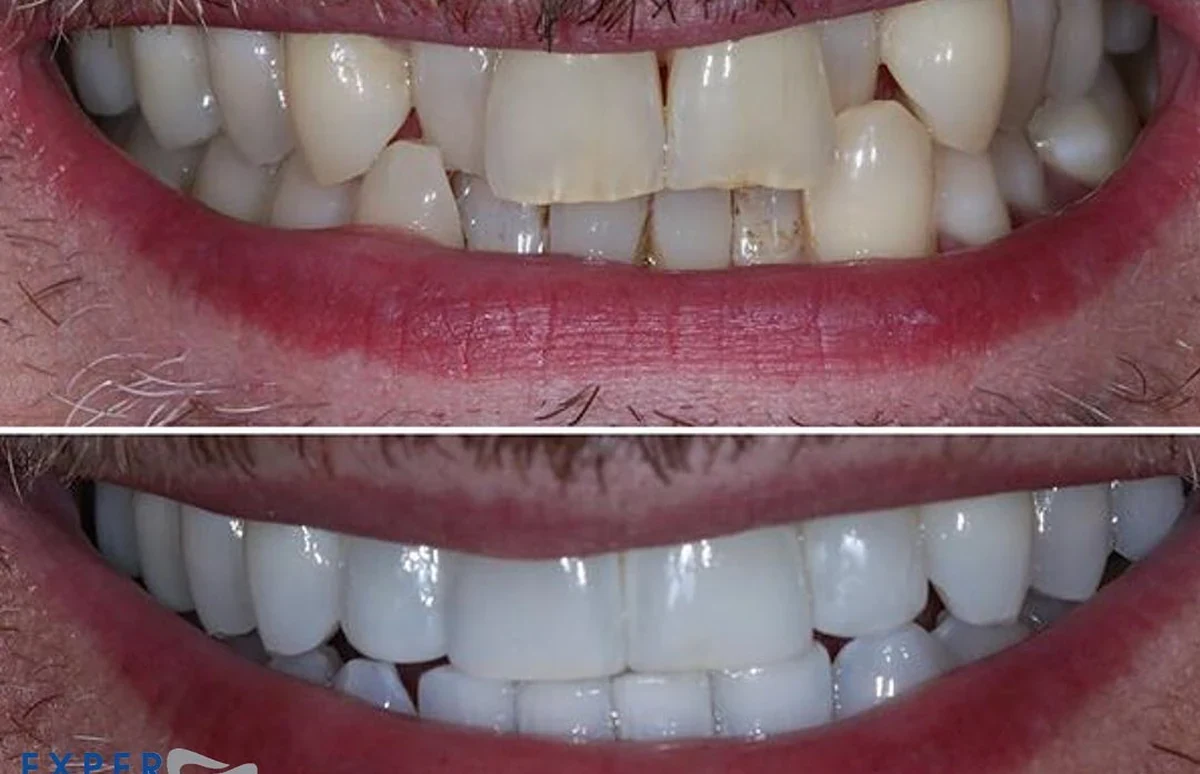
Thumb or finger sucking does not automatically mean your child needs braces. Its effect depends on the habit's frequency, duration and strength, your child's age and how the bite is developing. If the front teeth begin to project or a gap appears between them, a dental review can distinguish changes that may improve when the habit stops from those needing closer monitoring.
How sucking forces affect developing teeth
Repeated thumb or finger pressure can affect the angle of the front teeth, how much they overlap and the width relationship between the arches. The effect varies with the finger's position and the time pressure is applied. Some children develop a front gap when the back teeth meet, or a crossbite at the back; others show little visible change. The dentist assesses the actual teeth and jaw relationships rather than assuming the habit has caused a particular problem.
Why the stage of dental development matters
Changes involving baby teeth can sometimes improve after a habit stops, especially when growth and eruption are still underway. Persistent habits as permanent incisors erupt may deserve closer review. The aim is not to frighten parents with a fixed age cut-off but to identify whether the bite is changing in a way that merits advice. An orthodontic referral may be appropriate where tooth position, crossbite or jaw relationships are concerns.
Understanding behaviour before intervening
Thumb sucking can serve as a self-soothing routine, especially when a child is tired or anxious. A punitive response may be counterproductive. Gentle discussion, positive reinforcement and an agreed plan are generally more helpful than shaming or sudden punishment. Where an appliance is considered, the child's maturity, cooperation and the potential effects on speech and oral hygiene should be discussed. The dental aim must be proportionate to the diagnosed problem.
What the first dental review can assess
The clinician may record the incisor overlap, the front-to-back relationship of the teeth, crossbite patterns and any wear or soft-tissue changes. Photographs or study models can provide a baseline for monitoring. A dentist can also check for other causes of a developing bite discrepancy rather than attributing everything to the habit. Families should be given clear signs that would justify an earlier review.
Is teeth-straightening treatment always necessary?
No. Sometimes the recommended intervention is supportive habit cessation followed by observation. Persistent crossbites, significant dental displacement or a developing skeletal concern may warrant specialist input. Even if an appliance is used, the plan should explain whether it is addressing the habit, the resulting tooth position or both. The treatment decision should not be based solely on the child having sucked their thumb in the past.
Useful questions for parents
What change can we actually see in the bite? Is the child still in a phase where improvement may occur naturally? When should we review it, and what would prompt orthodontic referral? Practical and compassionate advice protects the child's relationship with dental care while ensuring meaningful bite changes are not ignored. The point of early assessment is informed timing, not automatically starting braces.
Helping a child without turning the habit into a battle
For example, a six-year-old may suck a thumb mainly at bedtime and have a small front-tooth gap without obvious chewing difficulty. The dentist can record the overlap and check whether the developing bite needs orthodontic advice. The family might agree positive encouragement during waking hours, a comforting bedtime alternative and a review at a suitable stage of development. A crossbite or substantial displacement may warrant earlier specialist input. Improvement cannot be guaranteed simply because the habit stops, and an appliance needs to take the child's readiness into account. Gentle review of tooth position and progress in reducing the habit can support care without guilt or shame.
Your next step, when you’re ready
We would be pleased to welcome you for a £30 consultation at your preferred Iconic Smiles practice. Bring your questions, and we can talk through the options that may suit you.
Any additional investigations and their fees will be explained before you decide.