
Invisalign and teeth straightening
Timing Orthodontics for Growing Children: Why the Right Age Varies
Parents understandably ask for the 'best age' to start braces. A single birthday cannot answer that question because dental eruption, jaw growth and the type of bite problem progress at different rates.
Talk to us about straightening your teeth
You might have a particular change in mind, or simply want to know what is possible. At a £30 consultation, we can talk through your goals and explain how the next steps are planned.
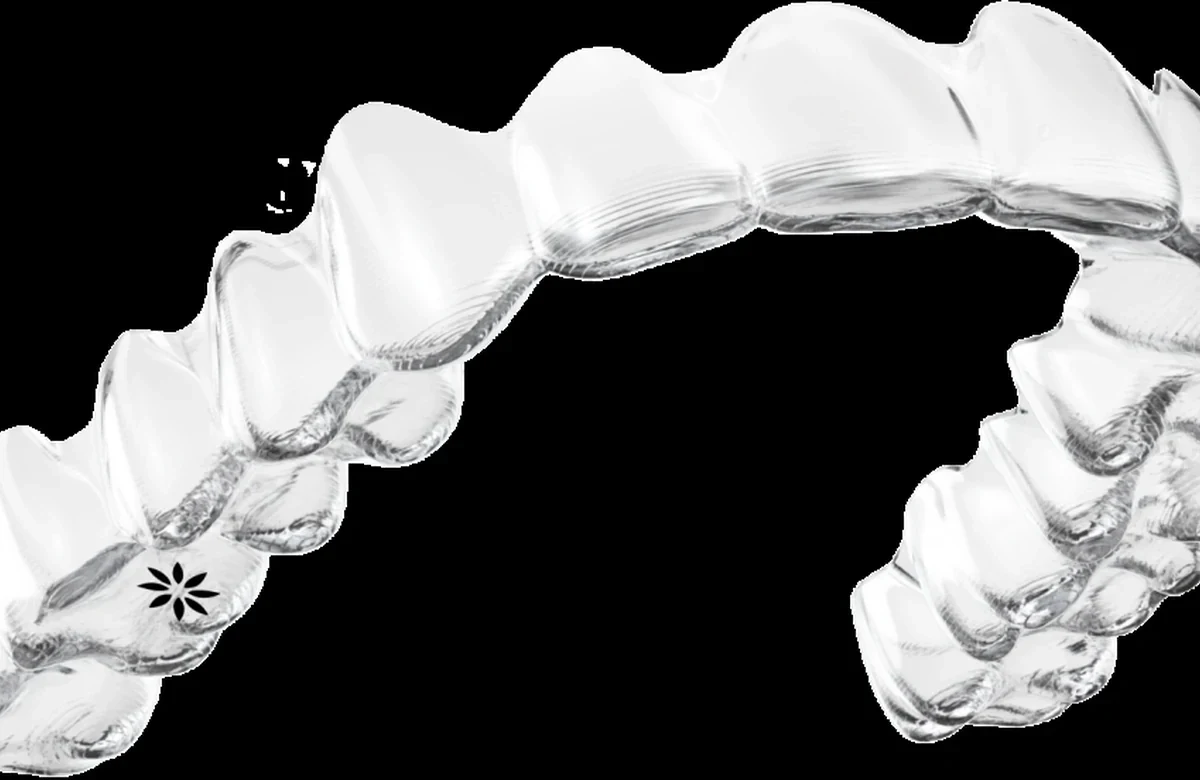
The right time for braces depends on the developing teeth, jaw growth and the particular bite problem, rather than one ideal birthday. Some children benefit from early assessment and limited treatment; others are better monitored until more permanent teeth appear. An early appointment can identify the useful window for a specific change without committing your child to an appliance immediately.
Dental age and calendar age are not identical
Two children of the same age may have different patterns of permanent tooth eruption and skeletal maturation. The orthodontist looks at tooth emergence, available arch space, bite relationships and facial growth, rather than using school year as the deciding variable. Relevant radiographs are requested only where they would change diagnosis or treatment. An early consultation may result in a monitoring plan rather than an immediate appliance.
Issues that justify earlier attention
Certain crossbites, significant eruption disturbances, impacted teeth or jaw discrepancies may benefit from timely specialist advice. An assessment considers whether early intervention would prevent a problem worsening, improve function or make a later comprehensive phase simpler. Not every case of mild crowding needs early expansion. Families should ask what measurable benefit is expected from treating now rather than reviewing again after more growth.
Growth modification has a limited window
Some treatments seek to guide jaw relationships while growth remains available. The most appropriate timing depends on the specific skeletal discrepancy and stage of maturation, which is why two children with similar-looking prominent front teeth may receive different recommendations. Growth modification does not eliminate every skeletal problem, and clinicians should explain the extent of change that can reasonably be attributed to an appliance rather than natural development.
Why waiting can be the clinically active choice
Monitoring is an active choice when the plan identifies what to watch and when to review it. The team may follow eruption, crowding, crossbites or jaw development, with clear findings that would change the recommendation. Waiting without follow-up can miss an opportunity, while starting an appliance without a defined benefit can prolong treatment unnecessarily.
Child readiness matters as well
Readiness matters alongside growth. Removable appliances and aligners need consistent wear; fixed braces need careful brushing and regular appointments. Motivation, sensory preferences and school or sports routines can influence timing and the choice of appliance. The team should distinguish a clinically time-sensitive need from practical preparation for elective care. Sometimes education and preparation are the most useful next stage.
What parents should leave with
A good first assessment explains whether the child needs treatment now, review at a defined stage or no intervention. Ask what specific problem is being addressed, what alternatives exist, whether a later comprehensive phase is likely, and what retention could eventually involve. The decision should be grounded in the child's growth and oral health, not an advertised 'ideal braces age' that ignores individual development.
Two children, two different decisions
For example, a nine-year-old whose lower jaw shifts to one side when biting in a crossbite may need timely orthodontic investigation. Another child of the same age, with modest crowding and several baby molars still present, may reasonably be monitored. The ages match, but the aims and consequences of waiting differ. The specialist should explain the identified problem, what treatment would change and why timing matters. A monitoring plan needs a review interval and reasons to return sooner. If early treatment is proposed, establish whether a later comprehensive phase is still likely.
The decision should also make space for the family to reconsider preferences after diagnosis, particularly where treatment has more than one possible stage.
Your next step, when you’re ready
We would be pleased to welcome you for a £30 consultation at your preferred Iconic Smiles practice. Bring your questions, and we can talk through the options that may suit you.
Any additional investigations and their fees will be explained before you decide.