
Invisalign and teeth straightening
Functional Orthodontic Appliances: What They Can and Cannot Change
Functional appliances are frequently discussed when a growing child has prominent upper front teeth or a particular Class II jaw relationship.
Talk to us about straightening your teeth
You might have a particular change in mind, or simply want to know what is possible. At a £30 consultation, we can talk through your goals and explain how the next steps are planned.
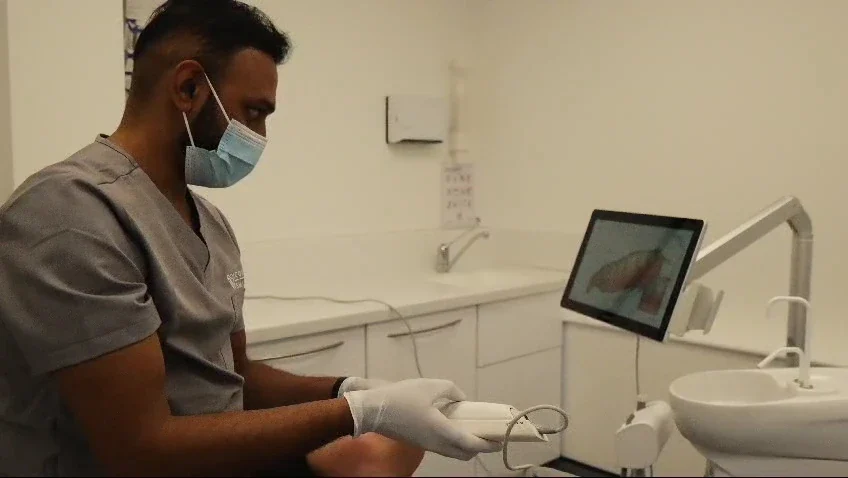
A functional appliance can help improve the bite while a child is growing, through a mixture of tooth movement and effects on the jaw relationship. It cannot promise a permanent transformation of the lower jaw. These appliances are often considered for prominent upper front teeth and a Class II bite relationship. The likely contribution of growth and tooth movement varies between children.
How they differ from simple straightening
Brackets or aligners can straighten teeth within their arches. A functional appliance is chosen when the relationship between the upper and lower arches also needs attention. For example, a removable twin-block arrangement holds the lower jaw forwards while worn. Other designs work differently and have different wear instructions. The orthodontist should explain the intended change in overjet, the horizontal distance between upper and lower front teeth, and in the bite as a whole.
Timing is linked to growth
The opportunity to influence a developing bite depends partly on the patient's growth stage. Treatment started before or after an appropriate growth period may have different effects and practical demands. An orthodontist considers dental eruption, skeletal maturation and the severity of the discrepancy when choosing when to intervene. Early assessment can be valuable, but it does not mean all children benefit from receiving a functional appliance as soon as their adult teeth start appearing.
Wear and cooperation influence progress
Many removable functional appliances need substantial daily wear. Speaking, managing saliva and using the jaw muscles can feel unfamiliar at first. Irregular wear can limit the intended change. You and your child need the prescribed wear schedule, cleaning advice and a clear explanation of progress checks. If comfort or motivation makes use difficult, those practical problems need attention as part of treatment.
What happens after the functional phase?
Improving the jaw relationship does not necessarily finish alignment. A further phase with fixed braces or aligners may be needed to position individual teeth and settle the bite. The team should explain that possibility before starting, including whether the treatment is one continuous pathway or distinct stages. Retention will still be required after the comprehensive orthodontic result. The full programme may be longer than an advertisement for the first appliance suggests.
Cases where alternatives deserve attention
Severe skeletal discrepancies, significant crowding or unfavourable vertical relationships can require other approaches. A clinician may recommend growth monitoring, a different appliance or an opinion on more complex treatment. Choosing a functional device because a friend's child had one ignores the important difference between their diagnoses. Nor should parents assume it can replace every later need for dental alignment.
Evaluating progress intelligently
Ask what overjet and molar relationship measurements will be reviewed, how the clinicians distinguish dental tipping from skeletal response, and when the treatment will be reassessed if progress is limited. A successful functional-appliance plan has a defined target, suitable timing and a realistic explanation of limitations. That is more useful than a promise to reshape a growing child's jaw completely.
What progress should look like at a review
For example, a child with a prominent overjet and a Class II bite may be offered a functional appliance during growth. Reviews compare the front-tooth distance, how the teeth meet and actual wear with the treatment goals. Less prominent front teeth do not necessarily show lower-jaw growth alone: changes in their angles may contribute. Difficulty wearing the appliance or discomfort should prompt a discussion of the cause. Establish whether fixed braces are expected afterwards and why, so the family understands the whole sequence rather than viewing one appliance as the complete treatment.
Your next step, when you’re ready
We would be pleased to welcome you for a £30 consultation at your preferred Iconic Smiles practice. Bring your questions, and we can talk through the options that may suit you.
Any additional investigations and their fees will be explained before you decide.