
Repairing your teeth
Can a Dental Check-Up Help Detect Mouth Cancer Early?
Dental examinations include checks of oral tissues. Know which ulcers, patches and lumps should be assessed promptly—and what screening cannot guarantee.
Talk through your options for repairing teeth
If you would like to understand how a tooth might be repaired or protected, a £30 consultation offers time to discuss your concerns and what an individual assessment may involve.
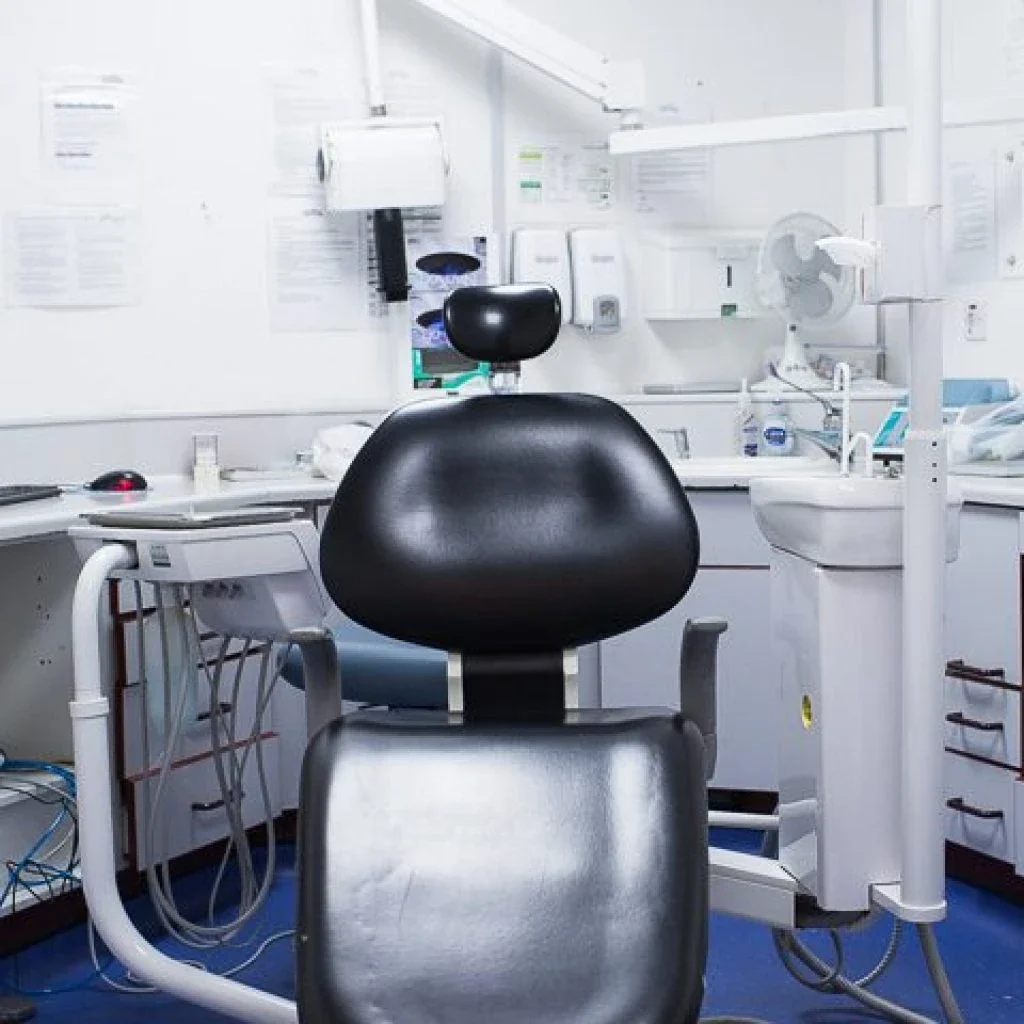
Yes, a dental check-up can help identify mouth changes that need further investigation, sometimes before you have noticed them. It cannot guarantee that every cancer will be detected or rule one out with certainty. Persistent ulcers, patches or lumps need prompt assessment between routine appointments too.
A dental examination looks beyond cavities
A routine dental examination should consider more than enamel, fillings and gum pockets. The lips, tongue, floor of mouth, palate, cheeks and other accessible soft tissues may be examined for changes that warrant further attention. A clinician may also ask about symptoms and relevant risk factors and, where indicated, feel lymph-node areas. This can help identify suspicious changes that a patient has not noticed. However, an examination is not a laboratory test that can guarantee the absence of cancer. Some early lesions are subtle, may occur between appointments or require specialist investigation. The value lies in recognising abnormalities and arranging appropriate assessment, not promising certainty.
Which changes matter most?
An ulcer that has not healed is easy to blame on a sharp tooth or accidental bite. Most ulcers are benign, but an unexplained ulcer lasting more than three weeks requires assessment under NICE guidance. Persistent or unexplained neck lumps, unusual lumps within the mouth, and red or mixed red-and-white patches can also warrant urgent examination or referral. Other symptoms include persistent pain, difficulty swallowing or unexplained changes in speech, although these have many possible causes. No single symptom proves cancer. Conversely, waiting until a lesion becomes painful is unwise: some potentially serious abnormalities are not painful at first.
Risk factors do not act as a checklist
Tobacco exposure and alcohol consumption can increase oral-cancer risk, but people without those exposures can still develop disease. Some head and neck cancers involve human papillomavirus, although the relationship varies by anatomical site; it would be inaccurate to treat all mouth lesions as HPV-related. Age, medical history and relevant exposures shape professional judgement but cannot safely reassure somebody who has an unexplained persistent lesion. The screening conversation should be respectful and specific. If a patient has stopped smoking, that is valuable for health, but it does not eliminate the need to report a persistent lump, patch or ulcer.
What the evidence permits a practice to claim
A routine examination offers an opportunity to recognise suspicious tissue changes and arrange further assessment. It cannot diagnose every head-and-neck cancer, and advanced imaging is not required for every screening examination. NHS information explains relevant symptoms and referral steps, while NICE NG12 guides recognition and referral. What matters for you is an appropriate examination and a clear route for investigating a finding, with the limits explained.
When to seek care rather than wait for your recall
Arrange prompt dental or GP review for an unexplained ulcer lasting more than three weeks, rather than waiting for your next routine check. A persistent lump, red or white patch or another unexplained change also needs assessment. Severe breathing or swallowing difficulty requires emergency help. A clear photograph and the date a change began can support the history, but cannot diagnose it. Many lesions have harmless causes, while others need urgent investigation; the examination helps determine the appropriate next step.
Questions to ask at a concerning appointment
Understand what was found, whether a local cause such as injury explains it and which changes would alter the plan. If it is to be monitored, agree a specific review date and what to do if it persists. If referral is needed, confirm how it will be arranged and how you will hear about the appointment. Share relevant medical and medication information and keep track of the follow-up so an unexplained finding receives the assessment it needs.
Sources and professional guidance
Applying the information:
Treatment options · Our practices · Fees and finance
Oral Cancer Screening During a Dental Check-Up
Routine soft-tissue examination can identify changes that deserve monitoring or urgent referral, even without pain.
The clinician examines the lining of the mouth, tongue and floor of mouth, and the region towards the throat where appropriate. Feeling the tissues can provide information a photograph cannot. A persistent unexplained patch or ulcer may need urgent referral even without pain; where diagnosis requires a tissue sample, photographs cannot replace it. The team should explain the warning signs and follow-up or referral route.
Your next step, when you’re ready
We would be pleased to welcome you for a £30 consultation at your preferred Iconic Smiles practice. Bring your questions, and we can talk through the options that may suit you.
Any additional investigations and their fees will be explained before you decide.