
Repairing your teeth
Your first dental check-up: prevention and a personalised care plan
New to a dental practice? Learn what a thorough check-up can cover and how regular care may be tailored to your needs.
Talk through your options for repairing teeth
If you would like to understand how a tooth might be repaired or protected, a £30 consultation offers time to discuss your concerns and what an individual assessment may involve.
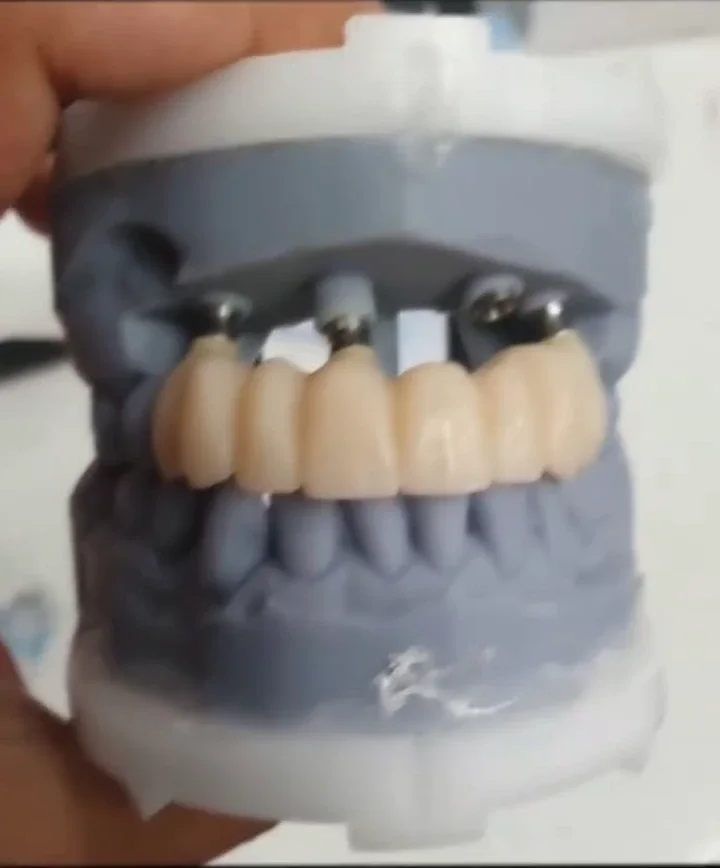
At your first dental check-up, the clinician can assess your teeth, gums and mouth tissues, discuss your goals and identify any treatment or prevention you need. The findings then guide a personalised plan and the timing of future reviews.
Prevention focuses on effective plaque removal, suitable fluoride, reducing frequent sugar exposure and recognising early changes. Your teeth, gums, medical history and previous disease determine which steps matter most. A particular product or a standard six-month interval cannot replace that individual plan.
Build a reliable daily foundation
Brush twice daily with an appropriate fluoride toothpaste, including last thing at night, and clean between teeth in a way that suits the gaps and restorations present. Spit out excess toothpaste rather than rinsing away the retained fluoride immediately. Effective technique matters more than expensive packaging or the intensity of brushing.
Frequency of sugar matters
Free sugars contribute to tooth decay, particularly when consumed repeatedly through the day. Acidic food and drink can also contribute to erosive wear through a different process. A dietary discussion should consider habits, sipping, bedtime intake, medicines and dry mouth rather than simply asking whether someone eats sweets.
Different people need different prevention
Previous decay, gum disease, exposed roots, appliances, reduced saliva, smoking and medical conditions can alter risk. Some people need extra fluoride, targeted professional care or closer reviews. The aim is a routine you understand and can continue, with products chosen for a reason.
Know what a routine examination looks for
An oral-health review can assess decay, restorations, gum tissues, mucosal changes, bite and relevant risk factors. Radiographs are selected where indicated. It is also an opportunity to review self-care and update the recall interval. Waiting until something hurts can allow disease to develop unnoticed.
Preventive care around complex dental work
Implants, crowns, bridges, orthodontic appliances and retainers may create new cleaning spaces or risk factors. The correct interdental tool and maintenance plan should be tailored after fitting. Artificial restorations do not make surrounding natural teeth or gum tissues immune from disease.
Measure habits you can sustain
Choose two or three specific actions—night-time fluoride brushing, daily interdental cleaning and reducing frequent sugary drinks—then review them with your dental team. A simple achievable routine repeated consistently is more effective than constantly switching between trending products without diagnosis.
Prevention is a set of targeted decisions, not just another cleaning appointment
A personal preventive plan starts with current caries activity, gum health, diet, saliva, previous restorations and the ability to clean effectively. Two patients with similar-looking teeth may require different advice if one has dry mouth from medicines or a history of frequent decay. The UK's Delivering Better Oral Health guidance supports twice-daily brushing with fluoride toothpaste containing 1,350–1,500 ppm fluoride for adults, including brushing last thing before bed and spitting without routinely rinsing away the remaining paste.
Cleaning aids need to fit the actual gaps and restorations; a larger brush is not always more effective. Repeated sugar and acid exposures leave less time for recovery between them, even when each portion is small. Reflux or ongoing dry mouth may need wider investigation. If risk is high, prescription-strength fluoride or more frequent checks may be appropriate alongside any professional cleaning.
A recall interval is not fixed at six months for everyone. NICE advises individual intervals reflecting disease risk, with different maximum ranges for adults and children. A good dental review should explain what has changed and why the next visit is scheduled when it is.
Tailor prevention to risk rather than assuming everyone needs the same appointment
For example, new cavities, medicine-related dry mouth or exposed roots can justify different fluoride advice and review timing from stable, low-risk oral health. Diet advice should explain repeated exposure to sugars and other carbohydrates that bacteria can turn into acid, rather than simply ban individual foods. Protective sealants, high-fluoride products or targeted professional treatment may be considered where the findings support them.
Bleeding gums, a change in bite or persistent sensitivity should not be ignored until the next routine recall date. The dentist can show whether the problem reflects cleaning technique, active disease or an existing restoration. Recording an initial risk and reassessing it at later visits makes advice more meaningful than repeatedly giving the same general leaflet.
Sources and professional guidance
Applying the information:
Treatment options · Our practices · Fees and finance
Further questions to consider before treatment
- A brushing demonstration can help you choose a technique and toothbrush that are practical for you.
- Bring your usual food and drink routine into the prevention discussion so advice about enamel fits daily life.
Your next step, when you’re ready
We would be pleased to welcome you for a £30 consultation at your preferred Iconic Smiles practice. Bring your questions, and we can talk through the options that may suit you.
Any additional investigations and their fees will be explained before you decide.