
Dental implants — replacing missing teeth
Cantilever Dental Bridges: When One Supporting Tooth May Be Enough
A cantilever bridge replaces a missing tooth while using support from one side of the gap.
Explore your tooth replacement options
If you are considering replacing a tooth or several teeth, a £30 consultation gives you a chance to explain what matters most, ask questions and explore the options with our team.
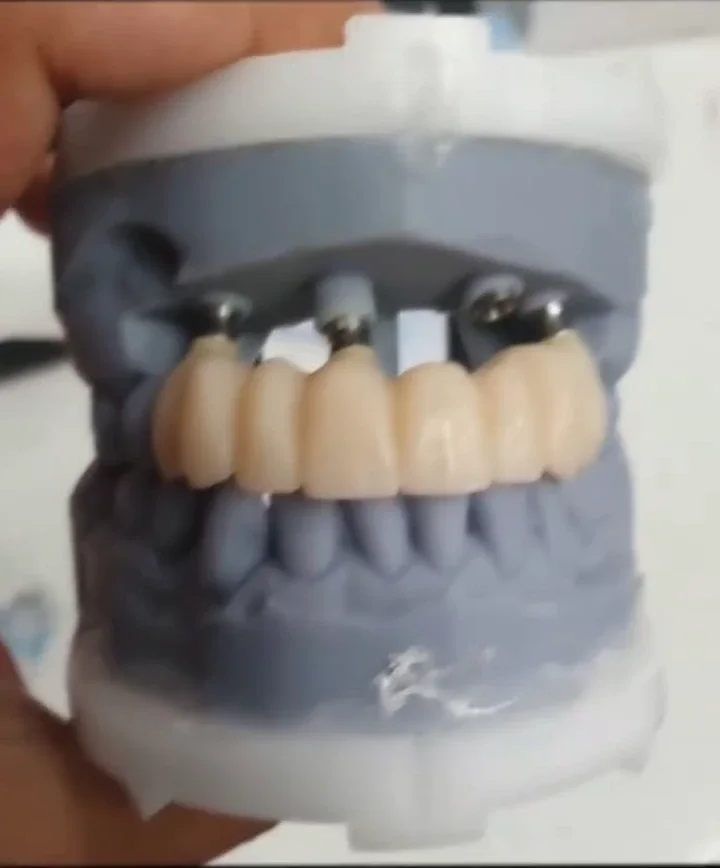
A cantilever bridge replaces a tooth using support from one side of the gap, which may be suitable when you want to preserve healthy neighbouring teeth. Suitability depends on the supporting tooth, attachment design and bite forces. The term describes the arrangement; it does not guarantee strength or make every gap appropriate for it.
One supporter changes how the bridge behaves
Where a conventional bridge may attach on both sides, a cantilever uses a supporting tooth or teeth on one side. The replacement tooth, called the pontic, projects beyond them and creates leverage when loaded. Extension length, material and bite therefore matter. A small front replacement under controlled contacts presents different demands from a large molar. The clinician should explain why the supporting teeth can carry the proposed design.
Understand the resin-bonded version
Some cantilever bridges use an adhesive wing bonded to the enamel on the back of a supporting tooth. This can involve less preparation than a conventional crown-retained bridge. The quality and area of enamel, isolation during bonding and direction of forces influence retention. A single-wing approach can be chosen in selected anterior cases to avoid differential movement of two supporting teeth. The trade-off is a risk of debonding, which may be repairable depending on the circumstances. Patients should ask whether the appliance is intended as a long-term solution or a transitional replacement during growth or implant planning.
Crown-retained designs have different costs to neighbouring teeth
If the supporting tooth already needs a crown, a cantilever bridge may sometimes be considered without preparing a second healthy neighbour. Yet the abutment tooth takes additional load, and existing cracks, root-canal treatment or periodontal support can limit its suitability. A dentist must examine the supporting tooth as carefully as the gap. If that tooth fails later, the bridge may need substantial revision. Conserving an adjacent tooth is beneficial only when the remaining supporter is capable of sustaining the restorative design over time.
The bite can make or break the concept
Vertical overlap, contacts as the jaw slides forwards, grinding and available space affect the forces on the replacement. The dentist checks the way upper and lower teeth meet during movement, using contact marks where helpful. Some bites cannot accommodate a suitable cantilever. The design should work with ordinary function rather than depend on permanently avoiding contacts you cannot realistically control.
Hygiene around the false tooth
The replacement pontic rests near the gum but does not have a root. Its underside should be shaped to support appearance while allowing cleaning, typically with suitable floss-threading or interdental aids. A broad, inaccessible contact can trap plaque and irritate the tissue. The bonded wing or crown margin also needs attention during regular reviews. Patients should be shown the cleaning method before deciding the design is convenient. A bridge that is technically strong but too awkward to clean can create avoidable problems in the long term.
Compare the full alternatives
Compare an implant, a removable partial denture and monitoring where appropriate. An implant avoids reliance on a neighbouring tooth but adds surgery, bone requirements and maintenance. A denture offers a different feel and avoids fixed preparation. For the cantilever, understand the supporting tooth, contacts, repair options and complete fee alongside the alternatives.
References and further reading
Book an assessment
The practices are in Hatfield and Cheshunt in Hertfordshire, and Friern Barnet in North London. For travel from Bedfordshire, Buckinghamshire or Essex, confirm the actual practice and any sites involved in later stages.
Editorially updated: 27 October 2026.
Your next step, when you’re ready
We would be pleased to welcome you for a £30 consultation at your preferred Iconic Smiles practice. Bring your questions, and we can talk through the options that may suit you.
Any additional investigations and their fees will be explained before you decide.