
Repairing your teeth
Dental treatment for older adults: comfort, function and choice
Explore how crowns, dentures, implants and everyday dental care may be planned around your health, preferences and priorities.
Talk through your options for repairing teeth
If you would like to understand how a tooth might be repaired or protected, a £30 consultation offers time to discuss your concerns and what an individual assessment may involve.
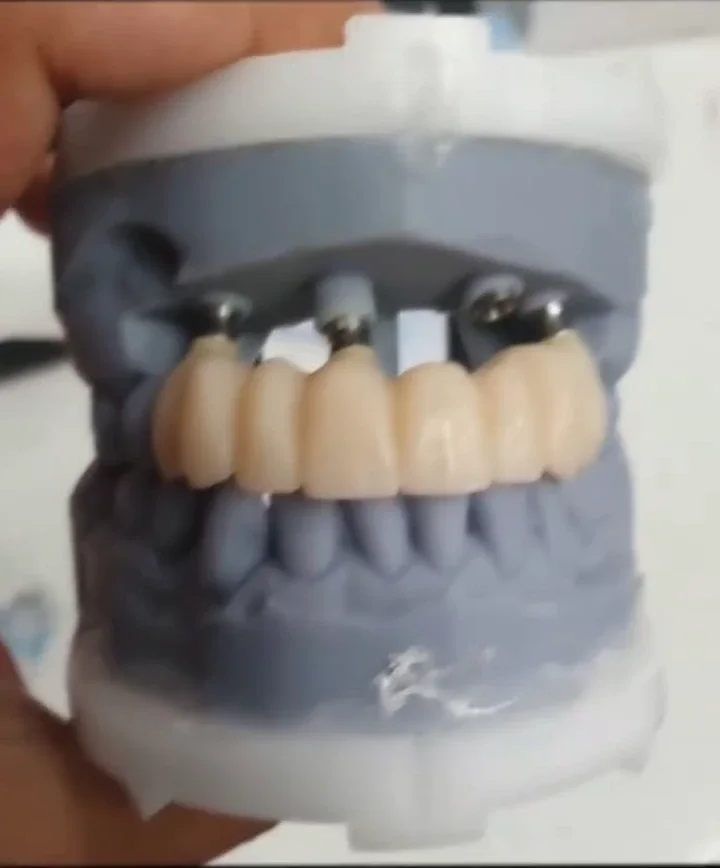
Dental care later in life can include crowns, dentures, implants or simpler treatment, depending on your health, remaining teeth and priorities. Start with what you want to improve in comfort, chewing, speech or appearance. Age alone does not decide which option is suitable.
The assessment connects the proposed change with daily life. Some people function comfortably with fewer back teeth; others benefit from a bridge, denture or implant support. Remaining teeth, bite, gum and bone health, medical history and cleaning access all help determine that balance.
Design for dexterity, dry mouth and future maintenance
Arthritis, impaired vision, reduced grip or medicine-related dry mouth can make cleaning more demanding. A removable denture may be easier for some people and less manageable for others. A demonstration should show the actual tools, hand control or assistance each proposed option needs. Include repairs, relines and reviews in the comparison before choosing.
Medical context belongs in the treatment plan
Common medicines may affect bleeding, bone metabolism or salivary flow. Medical conditions, frailty and changes in capacity can affect appointment length and decision-making support. A clinician may need to liaise with a prescriber before surgery. Never stop regular medicines because an online treatment guide suggests it. Consent should be unhurried, accessible and grounded in the patient’s own priorities.
Planning appointments in North London
A first assessment at Friern Barnet can clarify what is urgent, what can be stabilised conservatively and which more complex stages need separate clinicians or locations. Bring an up-to-date medication list, existing dentures and a trusted companion if you wish. Ask about transport, accessibility, temporary restorations and aftercare in a way that reflects your actual circumstances.
Age alone does not decide which treatment is suitable
A healthy older adult may be an excellent candidate for a crown, bridge, implant or teeth-straightening treatment. The meaningful questions concern gum and bone health, medical conditions, medicines, ability to clean the restoration and what the person wants to achieve. Some patients primarily want to chew comfortably; others want to replace a conspicuous gap or restore confidence in photographs. It is not appropriate to dismiss a request as cosmetic because someone is older, nor to encourage extensive reconstruction if simpler treatment meets their goals.
Assess function and the ability to maintain it
A replacement tooth should fit the person's actual eating habits, dexterity and mouth. A fixed implant-supported bridge may feel secure, but can be difficult to clean if there is a large space beneath the prosthesis or limited hand function. A well-made removable denture might be easier to maintain, though it has different compromises in stability and comfort. Restoring heavily worn teeth also requires attention to bite height and jaw comfort. Ask the dentist to demonstrate how the suggested solution is cleaned, not merely how it looks on a screen.
Medicines and medical history belong in the consultation
Some medicines affect bleeding, salivary flow, bone metabolism or healing. Anticoagulants, antiresorptive medicines and poorly controlled diabetes can alter risk assessment and the way invasive care is planned. They do not automatically make treatment impossible, and patients should not change prescribed medicines without the appropriate prescriber. The dentist may need to liaise with medical colleagues or use a different sequencing strategy. A thorough medical history enables measured treatment choices rather than generic reassurance or blanket refusal.
Choose restorative work that preserves future options
Several old fillings do not automatically mean every tooth needs a crown. Selected repairs, gum treatment, a denture or a limited implant bridge may offer a better balance of benefit and demand. Where appearance matters to you, whitening or small bonding additions may avoid extensive preparation. The plan should distinguish health priorities from elective changes and include cleaning and repair costs. For North London visits, also consider accessibility, any transport after sedation and whether you want a companion for support.
What if the patient has trouble holding a toothbrush?
Arthritis, reduced grip strength or a dry mouth can make an otherwise sensible restoration more demanding to maintain. Before choosing between a bridge, denture or implant, ask the dentist to demonstrate the recommended cleaning technique using the patient's actual capabilities. A wide-handled toothbrush, appropriately sized interdental aids or a simpler prosthesis design may make routine care more practical. If a family member helps with cleaning, obtain the patient's consent and involve them in that specific conversation. Accessibility and ease of maintenance are treatment results, not merely convenience features.
Your next step, when you’re ready
We would be pleased to welcome you for a £30 consultation at your preferred Iconic Smiles practice. Bring your questions, and we can talk through the options that may suit you.
Any additional investigations and their fees will be explained before you decide.