
Dental implants — replacing missing teeth
Missing a Back Tooth: Do You Really Need to Replace It?
One missing back tooth can raise a surprisingly big question: does it need replacing? Your bite, neighbouring teeth and priorities all matter.
Explore your tooth replacement options
If you are considering replacing a tooth or several teeth, a £30 consultation gives you a chance to explain what matters most, ask questions and explore the options with our team.
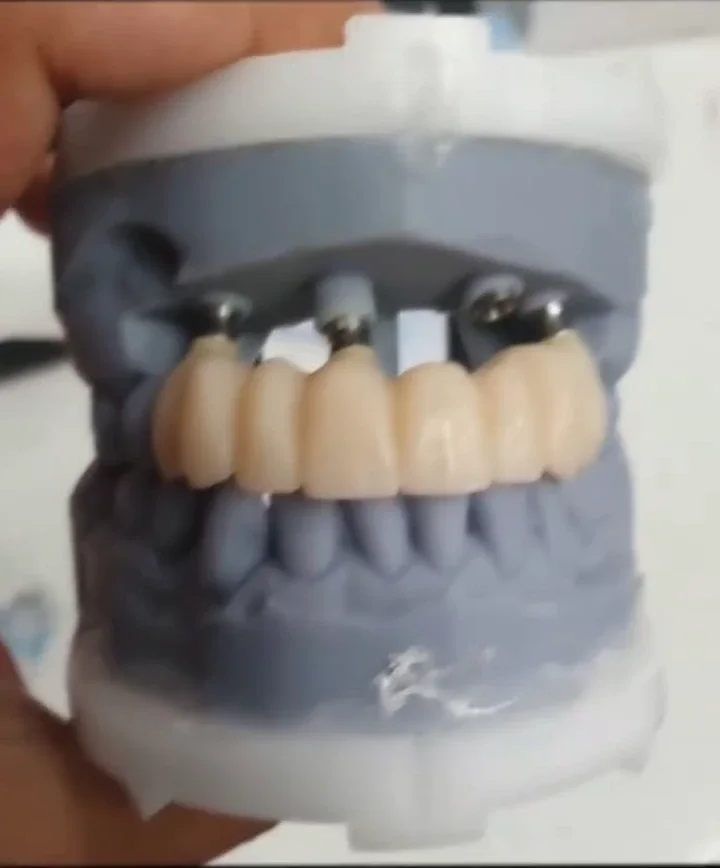
A missing back tooth does not always have to be replaced. The right decision depends on chewing, the opposing tooth, gum health and the condition of adjacent teeth.
The tooth you cannot see still has a job
A back tooth can contribute to chewing, neighbouring contacts and the opposing bite even when it is hidden in a smile. Replacement is more persuasive if the gap causes food trapping, difficult chewing, tooth movement or an opposing-tooth problem. Where the remaining arch is comfortable and functional, monitoring may be reasonable. An implant is therefore a choice based on that space and its effect on you, rather than an automatic requirement.
What changes when a molar disappears
The neighbouring teeth may tilt towards the space, and an opposing tooth can sometimes move into an unopposed area. These changes are possible, not inevitable, and their extent depends on the individual bite and remaining teeth. Bone in an extraction area also remodels after tooth loss. Placing an implant can help maintain functional loading at the site but should not be advertised as preventing all bone loss. If the missing tooth was the final molar and the remaining bite is satisfactory, monitoring may be reasonable. By contrast, a strategically important first molar might justify more detailed restoration planning.
Three legitimate choices
An implant-supported crown can restore the gap without preparing both neighbouring teeth, but it involves surgery, sufficient bone, time, expense and lifelong maintenance. A conventional bridge may avoid implant surgery, yet often requires altering supporting teeth. A removable partial denture is another possibility, especially where several teeth are missing, although comfort and bulk vary. Doing nothing can also be an informed choice after risk assessment. A good consultation compares all four options instead of describing an implant as the only responsible answer.
What long-term implant research does—and does not—tell us
Long-term reviews report high implant survival in selected treated populations, but retaining an implant is not equivalent to a trouble-free restoration. Crowns can fracture, screws can loosen and tissues around implants can become inflamed. Reported success also depends on how studies define complications and how consistently people attend follow-up. An implant is therefore a durable option, not a permanent biological substitute guaranteed to outperform a healthy natural tooth. The EFP guidance emphasises establishing a peri-implant maintenance plan from the beginning, a point worth discussing before any surgery.
When leaving the space alone may be sensible
A long-standing second-molar space with comfortable contacts, no food trapping and no deterioration may be reasonable to monitor after examination. A missing first molar alongside opposing-tooth movement or repeated damage to a neighbour presents a different functional concern. The type and position of the gap, and the findings around it, matter more than the number of missing teeth alone.
Signs that justify reviewing an old gap
If the space starts trapping food, a tooth begins tilting, biting becomes uncomfortable or a neighbouring restoration repeatedly fails, arrange a review. A dentist may use photos, contact assessment and appropriate imaging to establish what has changed. Before agreeing to replacement, clarify whether the aim is chewing function, stabilising existing teeth, reducing food packing or appearance. A replacement that does not resolve the original problem is not automatically a successful treatment. The plan should identify a result worth measuring and a point at which the choice could be reconsidered.
What if the space has been present for years?
An old gap does not automatically require an implant. The clinician should check whether neighbouring teeth have tilted, whether the opposing tooth has moved, how well the patient chews and whether cleaning around the space has become difficult. Restoring the space may require more planning than replacing a recently lost tooth because a suitable bite and adequate room for a prosthesis must be recreated. A bridge may involve neighbouring teeth, whereas an implant needs assessment of bone, soft tissues and medical suitability. Leaving the space unfilled can be reasonable where function is comfortable and the risk of further changes is acceptable after assessment.
Sources and professional guidance
Applying the information:
Treatment options · Our practices · Fees and finance
Missing Back Teeth and Facial Appearance: What Replacement Can Change
Posterior tooth loss may affect chewing support and adjacent tooth position, but facial collapse is not inevitable after one absent molar.
Separating tooth support from wider facial changes
The assessment separates loss of chewing support from changes in bone, skin and general facial ageing. Depending on the remaining teeth and tissues, options can include monitoring, a suitable fixed bridge, an implant or a removable replacement. If a denture is already present, repair or relining may be relevant; more extensive tooth loss can call for a different denture design. The choice should reflect the actual mouth rather than a promise to change the jawline.
Replacing one back tooth can restore local chewing contacts, but should not be expected to reverse general facial ageing. Neighbouring teeth may tilt and an unopposed tooth may move, although neither is inevitable. Recording the bite and your priorities helps establish whether replacement offers enough benefit for an otherwise comfortable space.
Further reading (background sources)
- NHS: dental treatment information — background reading
- — background reading
Your next step
Areas we serve: Hertfordshire · Bedfordshire · Buckinghamshire · Essex. Our actual clinics are in Hatfield, Cheshunt and Friern Barnet; Bedfordshire, Buckinghamshire and Essex are patient catchment areas, not additional clinic sites.
Further clinical details: Missing Molar: Implant, Bridge or Leave the Space?
A missing molar may be replaced with an implant, bridge or removable denture, or monitored if leaving the space is clinically acceptable. The choice depends on chewing, the other teeth, gum and bone health and your priorities. For patients near Whetstone, the assessment should explain those options before a procedure is selected.
When leaving a molar space may be reasonable
The impact of an absent molar varies with the number and distribution of remaining teeth, the opposing arch and your bite. Some people maintain adequate function without replacing every missing back tooth. Others experience reduced chewing efficiency, altered contacts or problematic movement of neighbouring teeth. A dentist should assess your actual occlusion and periodontal health rather than assume every gap must be restored.
An implant and a bridge solve different problems
An implant replaces the missing tooth without placing a conventional bridge on its neighbours, but requires suitable bone and surgical suitability. A fixed bridge transfers support to adjacent teeth and may be useful when those teeth already need extensive restoration. An implant can fail or develop peri-implant disease; bridges can decay or fail at supporting teeth. Neither is maintenance-free, and each deserves a whole-treatment quotation.
Why a back-tooth bite needs careful planning
The available space vertically and between roots influences the design of the crown or bridge. Clenching, opposing restorations and existing wear may change the recommended approach. The clinician may need to address active gum disease or stabilise neighbouring teeth first. A replacement that is difficult to clean can create long-term trouble even if it looks satisfactory.
Make a decision you can revisit
If you are considering monitoring the gap, understand the likely consequences and which changes would prompt another review. Recording the starting bite and findings helps that comparison. For travel from Whetstone to Friern Barnet, the written plan should also show appointment stages and maintenance. Deferring replacement can be a reasonable choice where the assessed risks are acceptable.
Do you really need to replace that back tooth?
The answer depends on what else is present in your mouth. Losing the only functioning molar on one side is different from losing a terminal molar when neighbouring teeth already provide adequate chewing contacts. Ask whether the opposing tooth has begun to move, whether the teeth on either side are drifting and whether the space is affecting food trapping or function. Simply identifying a gap on a photograph does not establish that surgery is necessary. Your dentist can explain what is likely to change if you monitor the gap and review it later.
Compare the effect on neighbouring teeth
A conventional fixed bridge is supported by teeth either side of a gap and often requires substantial preparation of those teeth. If they already have large restorations, that may be a sensible way to address more than one problem. If they are healthy and untouched, sacrificing enamel may be a considerable disadvantage. An implant leaves neighbouring teeth independent, but requires surgery, suitable bone and a period of healing. A removable partial denture can restore chewing and appearance with a different balance of cost, bulk and daily maintenance. No single option is automatically best.
Why molars are technically different from front teeth
Molars work under high chewing loads and often have large chewing surfaces. The future crown needs sufficient height for its material, sensible biting contacts and room for cleaning. The available bone may be restricted by the lower jaw nerve canal or the sinus in the upper jaw. Long-standing tooth loss can also allow an opposing molar to over-erupt, reducing the height available for a replacement. Sometimes orthodontic movement or selective restorative correction is discussed before any implant; other times monitoring is more proportionate than a complex reconstruction.
Make the decision on lifetime burden, not entry price
An implant involves assessment, fixture placement, possible grafting and a definitive crown. A bridge has laboratory fees and can be affected by decay or gum changes around its supporting teeth. A denture needs cleaning and may need adjustment as tissues change. All routes therefore have maintenance costs. Ask for a written plan explaining which problems the option solves, what it leaves unchanged, and how the treatment is likely to be repaired or replaced. Patients travelling from Whetstone to Friern Barnet should also account for the number of appointments, not just the headline fee.
Your next step, when you’re ready
We would be pleased to welcome you for a £30 consultation at your preferred Iconic Smiles practice. Bring your questions, and we can talk through the options that may suit you.
Any additional investigations and their fees will be explained before you decide.