
Repairing your teeth
Emergency Dentist or Routine Appointment: Which Do You Need?
An urgent dental appointment is for a problem needing timely assessment or immediate relief, such as severe pain, swelling or trauma.
Speak with our team
If you need an urgent assessment, contact your preferred practice. Emergency appointment fees may differ.
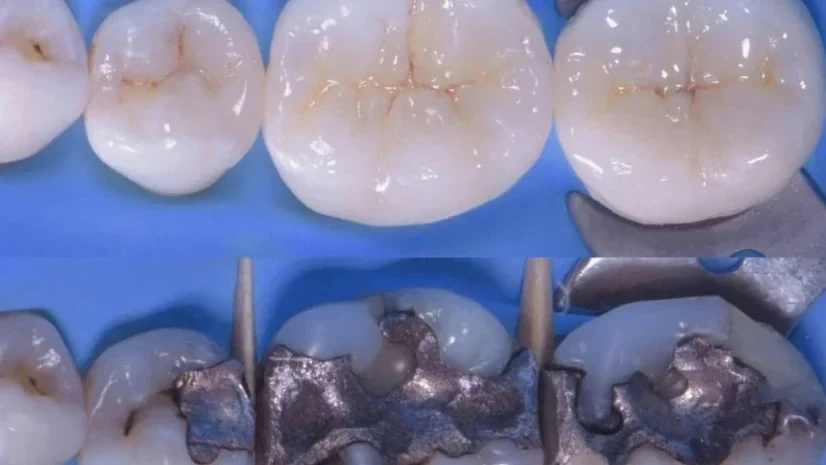
Severe pain, swelling or a significant dental injury usually needs urgent advice rather than waiting for a routine check-up. Routine examinations assess wider mouth health, prevention and future care. An urgent visit may focus on the immediate problem, with further treatment or an ongoing NHS pathway needing separate arrangements.
Problems that generally need urgent advice
Severe persistent pain, uncontrolled dental bleeding, infection-related swelling, knocked-out permanent teeth and significant facial or dental trauma warrant timely triage. Some symptoms are medical emergencies: breathing or swallowing difficulty, rapidly spreading neck or eye swelling or marked systemic deterioration require emergency medical care rather than waiting for a dental slot.
What a routine examination adds
A comprehensive oral-health review considers teeth, gums, soft tissues, medical factors, risk and prevention beyond the presenting complaint. It may lead to a staged plan and agreed recall interval. A short urgent visit may appropriately focus on the immediate problem and explicitly identify what still needs to be addressed later.
What urgent care may and may not include
Urgent treatment might involve examination, imaging where indicated, temporary repair, drainage, extraction or another clinically necessary intervention. Availability and treatment are determined by need and the applicable care pathway. Completion of urgent care does not necessarily mean that a full elective or routine course can immediately be offered at the same practice.
Understanding NHS and private pathways
In England, the NHS uses a distinct unscheduled-care charge and arrangements that differ from a comprehensive routine course. Patients should receive clear information about the service offered, eligibility, next steps and any separate private options. Do not imply that someone must choose private care to receive clinically necessary NHS treatment where entitlement and local provision apply.
How to communicate your symptoms
When contacting a practice, state onset, pain severity, swelling location, fever, trauma, bleeding, relevant medical conditions and whether you can eat, drink or open your mouth normally. This helps the triage process. If local appointments are unavailable, NHS 111 can advise on access to urgent dental care in England.
Questions after the urgent appointment
After urgent care, understand whether the cause has been treated definitively or temporarily stabilised, which symptoms need another call and how to arrange the remaining treatment. A temporary filling or a prescribed antibiotic course does not necessarily complete care.
Practical triage for the receptionist and the dentist
Describe when the problem began, whether swelling is increasing, any recent injury and relevant health conditions. Those details help the team choose an appointment. A painless broken crown may need different care from a fracture exposing the pulp or a spreading infection. Persistent bleeding after extraction needs prompt contact with the treating service. A knocked-out permanent tooth is time-sensitive and needs emergency dental trauma advice; a knocked-out baby tooth should not be put back.
For patients with breathing difficulty, rapidly spreading facial swelling, serious injury or other life-threatening symptoms, emergency medical assessment is appropriate rather than waiting for a dental slot. For stable concerns, the clinic can decide between urgent examination, a short repair appointment and a planned comprehensive review. Before travelling, confirm what the appointment covers, any charge and whether radiographs or treatment might require another visit.
What an urgent appointment can realistically achieve
An urgent visit may establish the diagnosis, provide a temporary filling or dressing, relieve symptoms or arrange treatment for infection. Completing root-canal treatment or a complex crown can require later planned appointments. A painful crack needs assessment of whether it affects the pulp or extends too far for a predictable restoration. The dentist should explain what has been stabilised and what still needs care.
Seek urgent advice for severe pain that is not settling, enlarging swelling, a knocked-out adult tooth or bleeding after treatment that is difficult to control. Serious facial injury, uncontrolled heavy bleeding or swelling affecting breathing or the airway requires emergency medical assistance. NHS 111 can help direct patients to appropriate urgent care when a local practice is closed.
Sources and professional guidance
Applying the information:
If you need prompt dental advice, contact us about urgent care or choose your nearest practice.
We are here to help
If you need prompt dental advice or an emergency appointment, contact your preferred practice. The team can explain availability and the assessment fee.