
Repairing your teeth
Tooth Sensitivity: Causes, Treatment Options and When to Seek Advice
Tooth sensitivity can cause sharp discomfort from cold, heat, sweetness, touch or air.
Talk through your options for repairing teeth
If you would like to understand how a tooth might be repaired or protected, a £30 consultation offers time to discuss your concerns and what an individual assessment may involve.
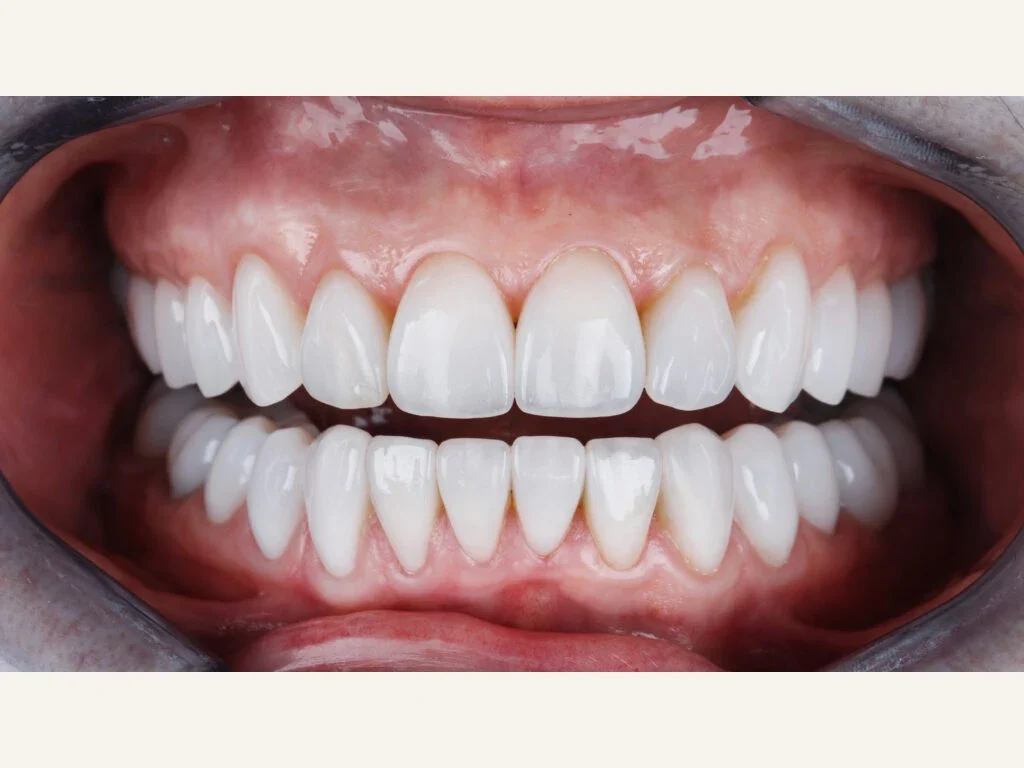
Tooth sensitivity may improve with suitable toothpaste and changes to brushing when exposed dentine is the cause. Decay, cracks, faulty restorations or inflammation inside the tooth can feel similar and need different care. The triggers, duration and examination help establish which approach is appropriate.
Different causes can feel similar
Recession or enamel wear can expose dentine, the layer beneath enamel containing microscopic channels. Acid exposure or forceful brushing may contribute. A cavity, crack, recent restoration or inflamed pulp can also cause temperature-related pain. Persistent discomfort in one tooth, particularly if it lingers or affects sleep, needs assessment before it is treated as uncomplicated sensitivity.
What the pain pattern may suggest
Brief sensitivity to cold that stops quickly may differ from spontaneous aching, lingering heat pain or discomfort on biting. Those patterns guide but do not replace tests. The dentist may examine gum margins, restorations, tooth wear, biting response and take radiographs where indicated. A normal external appearance cannot exclude deeper disease.
Conservative approaches for exposed dentine
Where a healthy tooth has exposed dentine, suitable desensitising toothpaste, fluoride strategies and gentler brushing may help. Products usually require consistent use rather than expecting a permanent result after one application. Dietary acid reduction and management of brushing trauma can be relevant if the underlying exposure is progressing.
When dental treatment is needed
A cavity or defective restoration may need repair; a crack, pulpal disease or advanced wear requires a diagnosis-specific plan. A local coating or bonding procedure may be considered for selected sensitive root surfaces. Repeatedly covering symptoms without addressing ongoing erosion, gingival inflammation or occlusal problems can allow the underlying issue to worsen.
Avoid unhelpful self-treatment
Do not aggressively scrub sensitive areas, use highly abrasive whitening products or apply caustic home remedies. Whitening itself may increase sensitivity in some circumstances. A change in toothpaste is not an adequate response to a swollen face, severe toothache or a suspected deep crack.
What to tell the clinician
Describe where you feel the pain, what triggers it, how long it lasts and whether it began after treatment. Mention pain on biting or aching without a trigger. The dentist should explain whether exposed dentine is responsible, what can be monitored and when persistent symptoms need reassessment.
A useful examination separates short-lived and persistent sensitivity
A brief response to cold or air can occur when exposed dentine is stimulated, for example after gum recession, abrasive brushing or acid wear. Pain that lingers well after the stimulus has gone, wakes someone at night or develops into spontaneous aching raises different concerns and may require investigation of the pulp. Sensitivity localised to one tooth after a new filling can result from several causes, including an altered bite, a leaky margin or pulpal inflammation. A history of the trigger, duration and exact location often helps as much as the patient's description of intensity.
The dentist may examine for root exposure, active erosion, cracked cusps, decay and the condition of existing restorations. Desensitising toothpaste and changes to cleaning technique may help an appropriate case, but they are not a substitute for treating a cavity or crack. Where erosive drinks or reflux are suspected, addressing repeated acid exposure matters because new restorations cannot prevent ongoing damage. Treatment should match the diagnosis and should be reassessed if the symptoms persist.
A desensitising toothpaste is appropriate only for certain causes
Exposed dentine can produce a brief sharp response to air, temperature or touch through its microscopic channels. Desensitising toothpastes act in different ways and may need consistent use before benefit becomes apparent. They can help suitable cases of dentine hypersensitivity, but cannot repair a cracked cusp, treat decay or resolve inflammation in the pulp. Ongoing symptoms on one side need diagnosis before stronger or additional home treatments are tried.
Photographs and a history of when the symptoms began can help show whether there is progressive gum recession or surface wear. People with acid reflux or frequent acidic drinks may need prevention focused on the timing and cause of acid exposure. When a filling has recently been placed, the occlusion, restoration margin and depth of the original cavity may matter more than the brand of toothpaste used.
Sources and professional guidance
- NHS — looking after teeth and gums
- UK Government — Delivering Better Oral Health evidence-based toolkit
Applying the information:
Your next step, when you’re ready
We would be pleased to welcome you for a £30 consultation at your preferred Iconic Smiles practice. Bring your questions, and we can talk through the options that may suit you.
Any additional investigations and their fees will be explained before you decide.