
Repairing your teeth
Severe Toothache: Possible Causes and When to Seek Treatment
Severe toothache is a symptom, not a diagnosis. Possible causes include deep decay, pulp inflammation, abscess, cracks, gum problems and pain referred from other sites.
Speak with our team
If you need an urgent assessment, contact your preferred practice. Emergency appointment fees may differ.
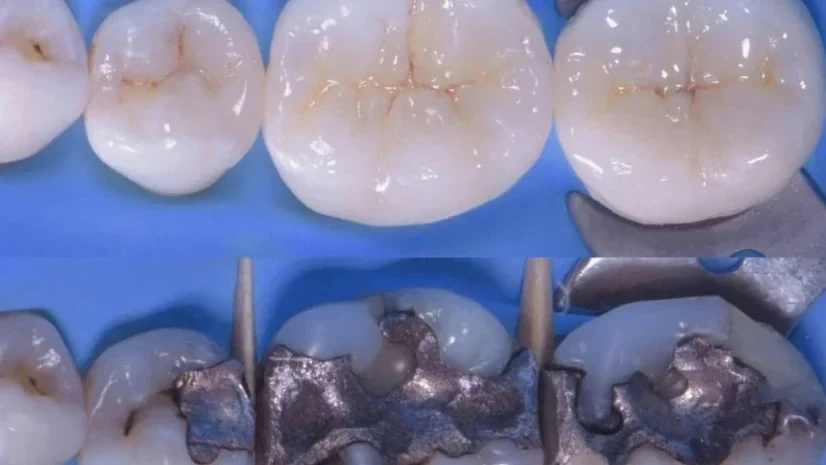
Severe toothache needs a dental assessment to identify the cause and whether the tooth can be preserved. Deep decay, inflammation inside the tooth, an abscess, cracks, gum problems or pain referred from elsewhere can produce similar symptoms. Pain relief may help temporarily, but does not establish or remove the cause.
The pattern of pain offers clues, not certainty
Cold sensitivity that stops quickly, lingering thermal pain, spontaneous night pain and tenderness on biting can suggest different issues, but symptoms overlap. A cracked tooth may produce intermittent biting pain; an abscess may cause swelling and a sense that a tooth is high. Diagnosis needs examination, appropriate tests and imaging where indicated.
What urgent dental treatment may involve
Urgent care is guided by the diagnosis. It may involve protecting the tooth with a restoration, opening and treating an infected canal, draining an abscess, treating a gum problem or extracting a tooth where appropriate. The first visit may address the immediate difficulty, with definitive treatment arranged later. You should understand what has been done, what remains and how further appointments and costs are handled.
Warning signs that should not wait
Facial swelling, fever, rapidly worsening symptoms, difficulty opening the mouth or inability to eat or drink require prompt advice. Difficulty breathing or swallowing, neck swelling or other severe systemic concerns require emergency medical assessment. Do not wait for a routine examination simply because the toothache comes and goes.
Why antibiotics usually are not the pain treatment
Pain from inflamed pulp may not involve an infection that benefits from antibiotics. Even in an abscess, addressing the source is central. Antibiotics are reserved for appropriate clinical indications, such as certain spreading infections or systemic involvement, and should not be requested merely because the pain is severe.
What to do safely before being seen
Use suitable over-the-counter analgesia according to package directions and personal contraindications, avoid chewing on the painful side and maintain gentle hygiene. Do not exceed recommended doses or place aspirin, alcohol or irritants directly on the gum. Call the practice or NHS 111 for the appropriate urgent route if you cannot obtain a timely appointment.
What to ask at the appointment
Before leaving, be clear about the diagnosis, which tooth or tissue is responsible and whether the tooth can be saved. The team should explain what needed treatment today, what is still outstanding and which warning signs need further contact. An urgent visit does not automatically include the full routine or definitive course, so ask for a clear follow-up and aftercare plan.
Which symptoms make toothache more urgent?
Pain patterns help guide tests without proving the diagnosis. A crack may hurt as biting pressure is released; decay may expose sensitive dentine or inflame the pulp; infection may cause persistent pain with swelling. The dentist may compare responses to cold, gentle tapping, pressure over surrounding tissues and biting, including adjacent teeth. An X-ray is used when its findings could affect care. These checks can distinguish causes that sound similar over the telephone.
Increasing facial swelling, fever or difficulty swallowing warrants prompt assessment, and difficulty breathing, significant spreading swelling or systemic deterioration requires emergency medical help. If a patient has recently had a filling or crown, an altered bite or exposed dentine may be relevant, but persistent or worsening symptoms still need review. Treatment may involve monitoring, adjusting a restoration, treating the pulp or removing an unrestorable tooth. Analgesia can make waiting more tolerable but does not remove an untreated cause.
Why a dental radiograph is not the whole diagnosis
Two teeth can produce similar pain even when their X-rays look different; early pulp inflammation may not show a visible abnormality. Thermal testing, percussion, checking the gum around a tooth and assessing the way the teeth meet can all change the likely diagnosis. If several teeth have large restorations, the patient's description of which side hurts may not precisely identify the responsible tooth. Starting irreversible treatment on an uncertain diagnosis risks treating the wrong cause.
The clinician should explain whether the next step is temporary relief, definitive restoration, root-canal treatment or management of infection. Severe pain does not automatically mean extraction is the only option. Antibiotics do not replace local treatment without a suitable indication. If only temporary care is possible, written aftercare and follow-up details help you understand the next stage.
Sources and professional guidance
Applying the information:
If you need prompt dental advice, contact us about urgent care or choose your nearest practice.
We are here to help
If you need prompt dental advice or an emergency appointment, contact your preferred practice. The team can explain availability and the assessment fee.