
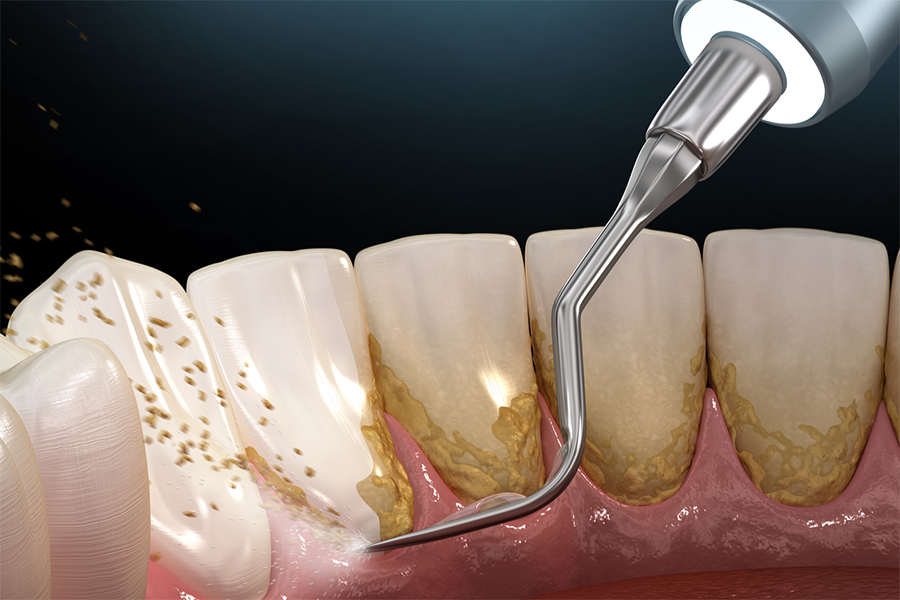
A hygienist can help you control plaque, remove deposits that home brushing cannot remove and improve your cleaning technique. The appropriate visit frequency depends on your gum health and treatment needs. Hygiene care supports oral health; it should not be presented as a guarantee against heart disease.
Why does professional cleaning help?
Plaque can irritate the gums. When deposits harden into calculus, professional removal may be needed. Your hygienist or dentist can assess cleaning access, identify areas that need attention and show you suitable techniques.
How often should you attend?
There is no single hygiene schedule for everyone. Someone receiving periodontal treatment or implant maintenance may need a different programme from someone with healthy gums. Agree the frequency with your dental team after assessment.
What should you do between visits?
Brush with fluoride toothpaste twice daily for about two minutes and clean between your teeth using a method that fits your mouth. Spit out toothpaste after brushing rather than immediately rinsing it away. Your team can help you choose interdental brushes or floss and improve your technique.
What if your gums bleed?
Persistent bleeding, soreness or swelling needs a dental assessment. Professional cleaning may form part of treatment, but the cause and severity should be established first. More advanced gum disease may need a periodontal treatment plan and continuing maintenance.
How does hygiene fit your wider care?
Hygiene appointments support your daily cleaning and any treatment plan agreed with your dentist. Ask what has changed, which areas need attention and what should happen before your next visit.