
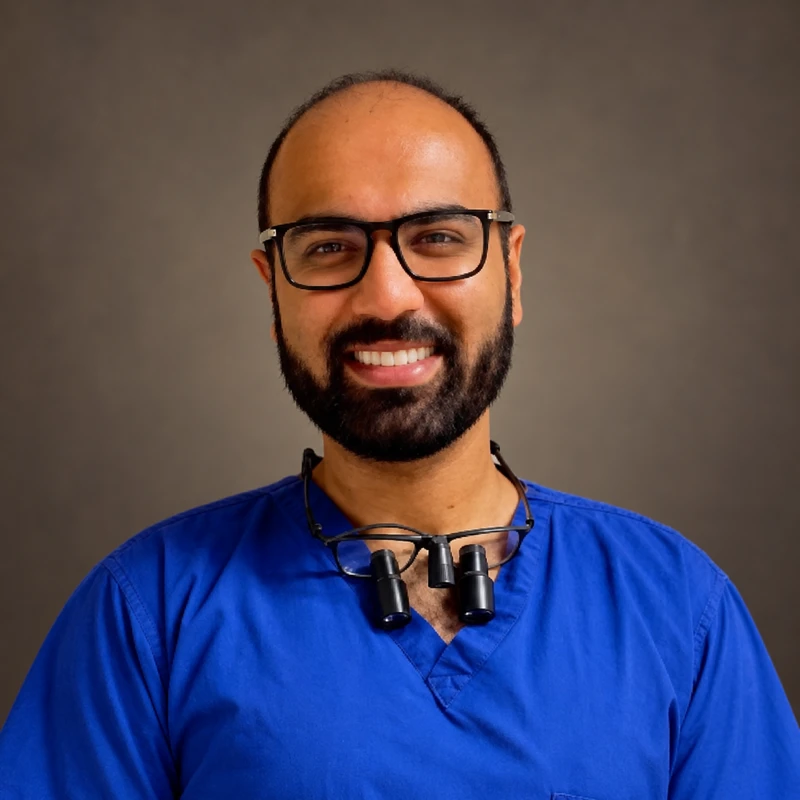
 Kishan Patel
Clinical Director Orthodontics
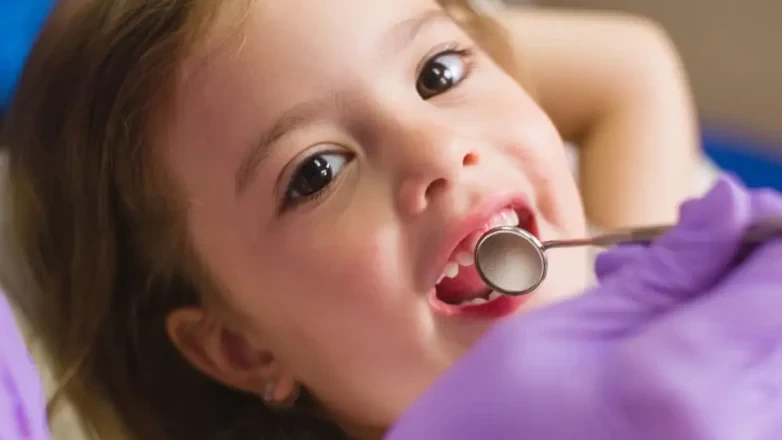
Prevention-led dental care that helps children become comfortable with the dentist, protects developing teeth and gives parents clear, practical guidance.
We encourage children to attend from a young age, ideally when the first milk teeth appear. Early appointments can be a simple introduction: meeting the team, looking around and taking a chair ride if they feel ready.
Baby teeth can change quickly, so home care and routine reviews matter. Parents should brush very young children’s teeth and supervise brushing until around seven years old.
Routine examinations allow the team to monitor tooth development, decay risk, gum health, bite and oral-hygiene habits. Preventive advice and treatments can then be tailored to the individual child.
If a baby tooth is knocked out, do not try to put it back in. Contact the practice promptly so the child can be assessed. If an adult tooth is knocked out, follow the emergency guidance and seek urgent dental advice.
Implant, restorative and orthodontic expertise brought together around one patient.
Meet the team
Kishan Patel
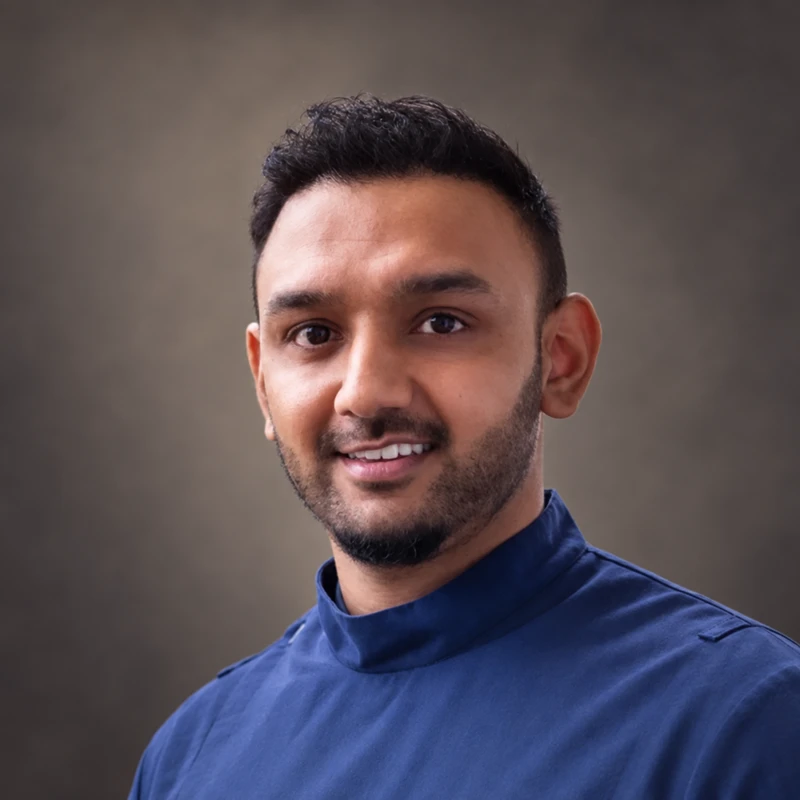 Vishal Patel
 Mayur Pandya
We encourage visits from a young age, around the time the first milk teeth appear.
Parents should oversee brushing until around seven years old, while helping children develop a reliable twice-daily routine.
Do not reinsert a baby tooth. Contact the practice so the child can be assessed promptly.
Choose your preferred practice and the team will help you plan the right appointment for your child.
Select a location to continue to its live booking diary.
Tap a number to call the team directly.
Go straight to a treatment, or view the complete treatment guide.