
ADDITIVE COSMETIC DENTISTRY

Composite Bonding

Refine selected tooth shape and edges with composite resin.

Composite bonding uses tooth-coloured resin to repair selected chips, worn edges, small gaps and shape discrepancies. It is additive in many cases, but suitability depends on the bite, tooth position and amount of change required.

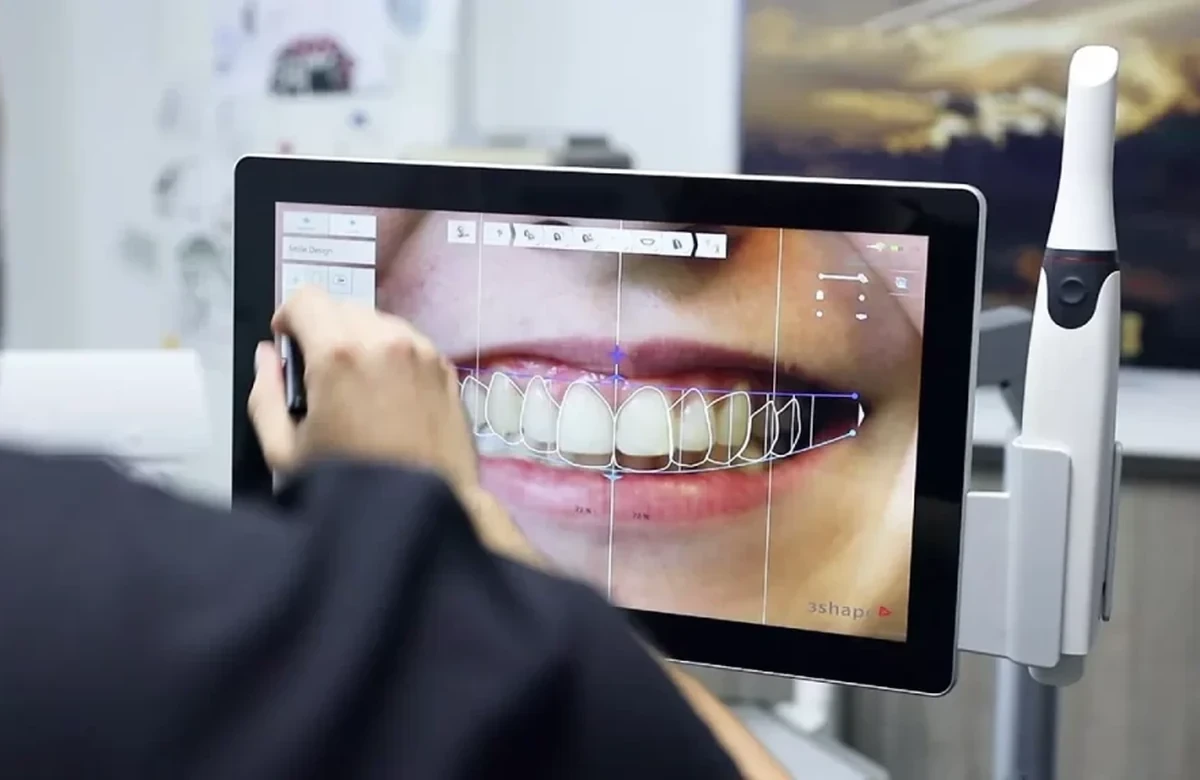
Smile proportions reviewed on a digital planning screen.
Often additive
Shade and contour matched
Useful for selected chips and gaps
Repairable and maintainable
The essentials

What is composite bonding?

Composite bonding uses tooth-coloured resin to add or restore selected tooth structure. It can repair chips, close some small gaps and alter edges or proportions when the bite and tooth position make additive treatment appropriate.

Is composite bonding right for me?
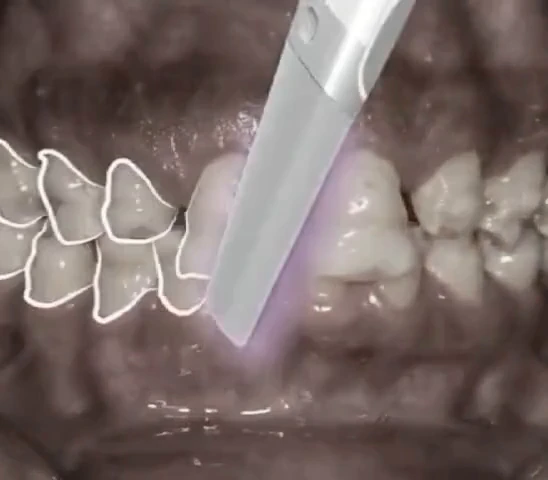
A dental instrument refining the surface of a tooth during restorative treatment.
Key benefits
Repairs selected chipsComposite can restore missing edge form.
Closes selected small gapsAdditive material can alter proportions where clinically suitable.
Changes shape and shadeColour, contour and surface texture can be matched to surrounding teeth.
Repairable materialComposite can often be repaired or refinished over time.
Real results

Additive changes, documented clearly.

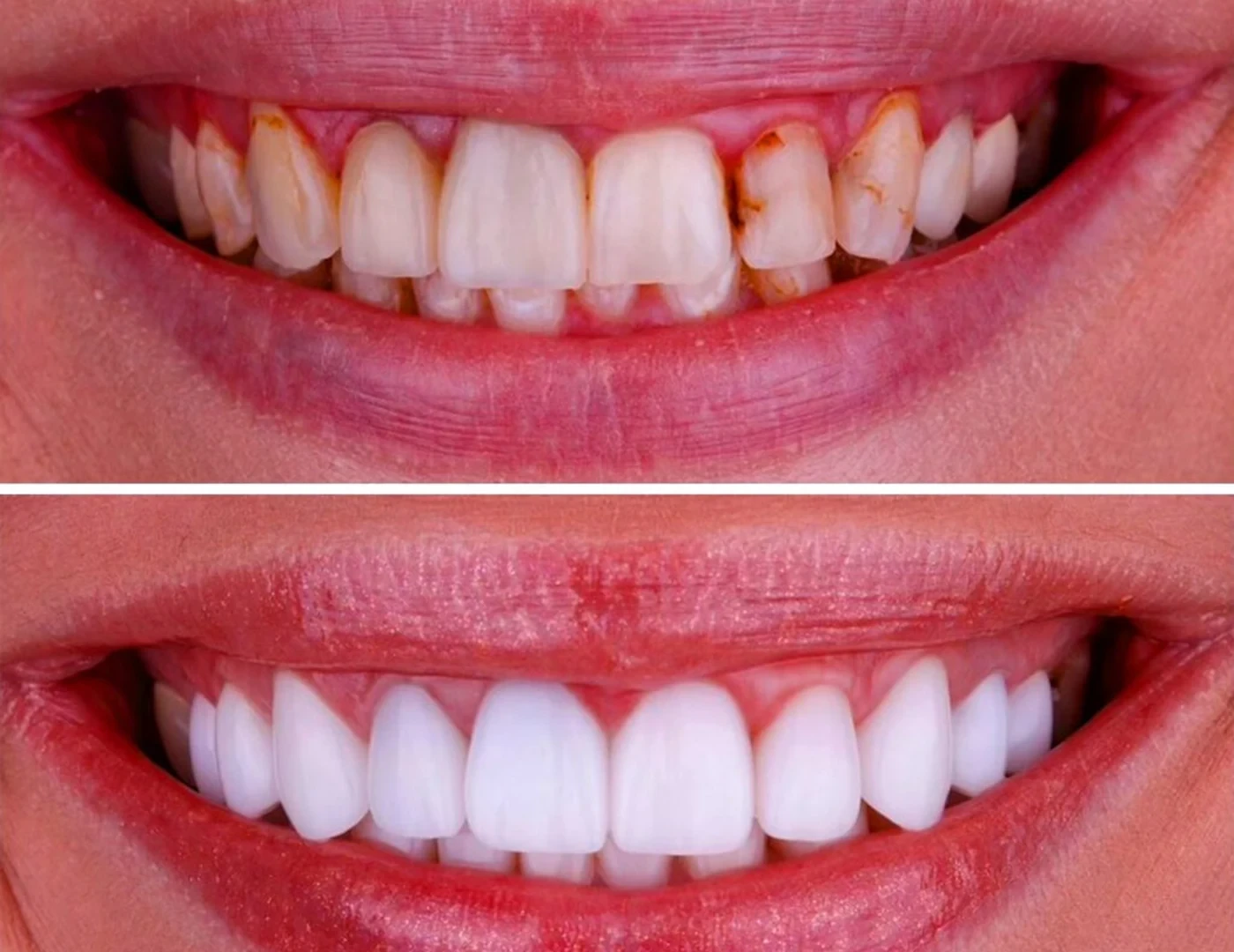
An example of composite edge and shape refinement; individual results vary.

Before and after treatment. Individual outcomes vary.

Explore the results gallery →
Composite Bonding: before (top) and after (bottom)
Before (top) · After (bottom) Open image to enlarge ↗
The process

A simple, straightforward treatment.

The plan depends on tooth position, bite, shade and how much additive change is needed.

01ConsultationWe discuss your goals and assess your smile.
02Smile designWe plan your treatment and choose the right shade.
03PreparationClean, isolate and prepare the surface as clinically required.
04BondingComposite is carefully shaped and refined to your teeth.
05Final resultsWe polish your new smile for a natural, carefully polished finish.
Digital planning

Natural results through careful planning.

Photography, shade selection and digital planning where useful help us assess tooth proportions, planned additions and the relationship with the surrounding smile.

Explore our technology
Digital smile planningCan help communicate proposed shape changes.
Shade matchingComposite shade and translucency are selected against the surrounding teeth.
Clinical photographySupports planning, documentation and review.
Proportion planningThe intended additions are assessed against the wider smile.
Meet the clinicians

Three disciplines.
One joined-up plan.

Implant, restorative and orthodontic expertise brought together around one patient.

Meet the team
Frequently asked questions
How long does composite bonding last?+

With good care and regular maintenance, composite bonding can last several years. It may eventually need polishing, repair or replacement.

Is the treatment painful?+

Bonding is usually minimally invasive and often requires little or no drilling of healthy enamel. Many cases need no injection.

Can bonding be reversed?+

Where treatment is fully additive it can be highly conservative, but removing bonded composite later must still be done carefully to protect enamel.

What can composite bonding fix?+

It can repair chips, close selected small gaps, refine uneven edges, improve proportions and mask some surface imperfections.

How much does composite bonding cost?+

Cost depends on the number of teeth and complexity. We provide a clear written estimate before treatment begins and can discuss finance for larger plans.

Ask us a question
Your next step

See whether bonding is the conservative option.

We will assess tooth position, bite and enamel, then explain whether bonding, alignment, whitening, veneers or no treatment is the better route.