Start with what you want to change
Colour, tooth shape, spacing, worn edges and tooth position are different issues. The treatment that improves one may not improve another. A detailed consultation separates the visual concern from the underlying clinical cause, including periodontal health or wear. Sometimes reassurance or no intervention is reasonable.
Worth knowing: A carefully framed goal is more useful than asking for a treatment name before an examination.
Matching the problem to the treatment
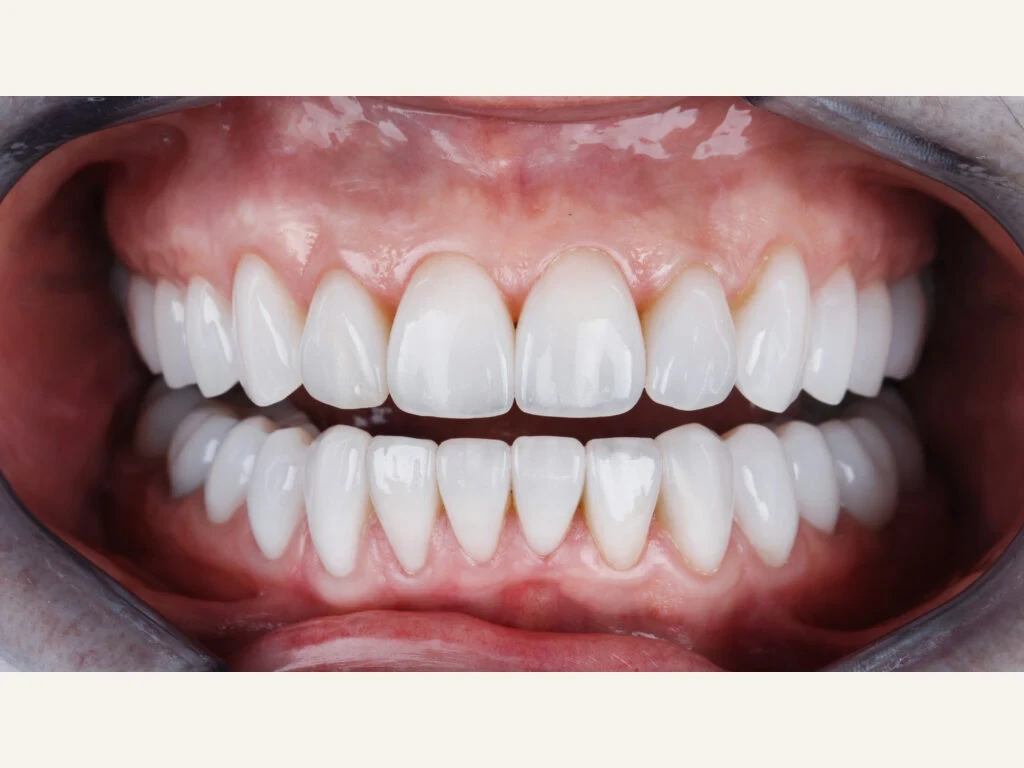
Whitening changes the colour of natural teeth but not fillings or ceramic crowns. Bonding can add resin to selected edges or shapes. Invisalign or fixed braces move teeth when position is the main concern. Porcelain veneers are restorations that may improve appearance but can require irreversible preparation. A smile makeover coordinates suitable options.
Worth knowing: Choosing the correct mechanism reduces unnecessary treatment and disappointed expectations.
What does a natural-looking result involve?
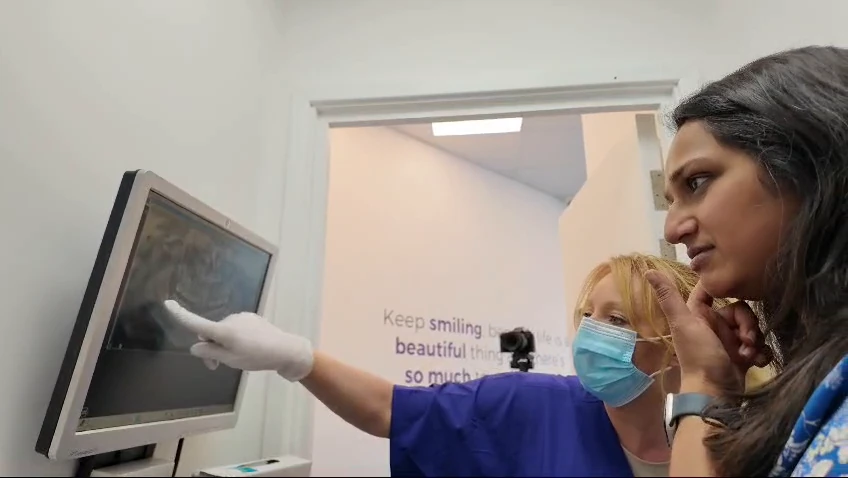
Tooth width, length, visible gum margin, smile line, facial characteristics, colour and texture all influence appearance. Small improvements can be more flattering than dramatic uniform whiteness or identical shapes. We use photographs, discussion and digital records where appropriate to plan alongside the patient.
Worth knowing: Aesthetic judgement must sit alongside function, comfort and ease of cleaning.
How to compare time, costs and long-term care
Whitening may be relatively straightforward but requires appropriate assessment and maintenance. Orthodontics takes longer and demands retainer use. Bonding may need polishing or repairs, while porcelain restorations can need replacement. Ask for a complete plan explaining treatment stages and likely long-term costs, not only the first appointment fee.
Worth knowing: The most appropriate route is not necessarily the cheapest or quickest today.