
Choosing dental care
A Second Dental Opinion: When Is It Worthwhile?
A second opinion can help clarify diagnosis, alternative procedures, prognosis and costs before extensive or irreversible treatment.
Get answers before you decide
Choosing dental care should feel straightforward. A £30 consultation gives you the opportunity to explain your wishes, ask about our approach and understand your options.
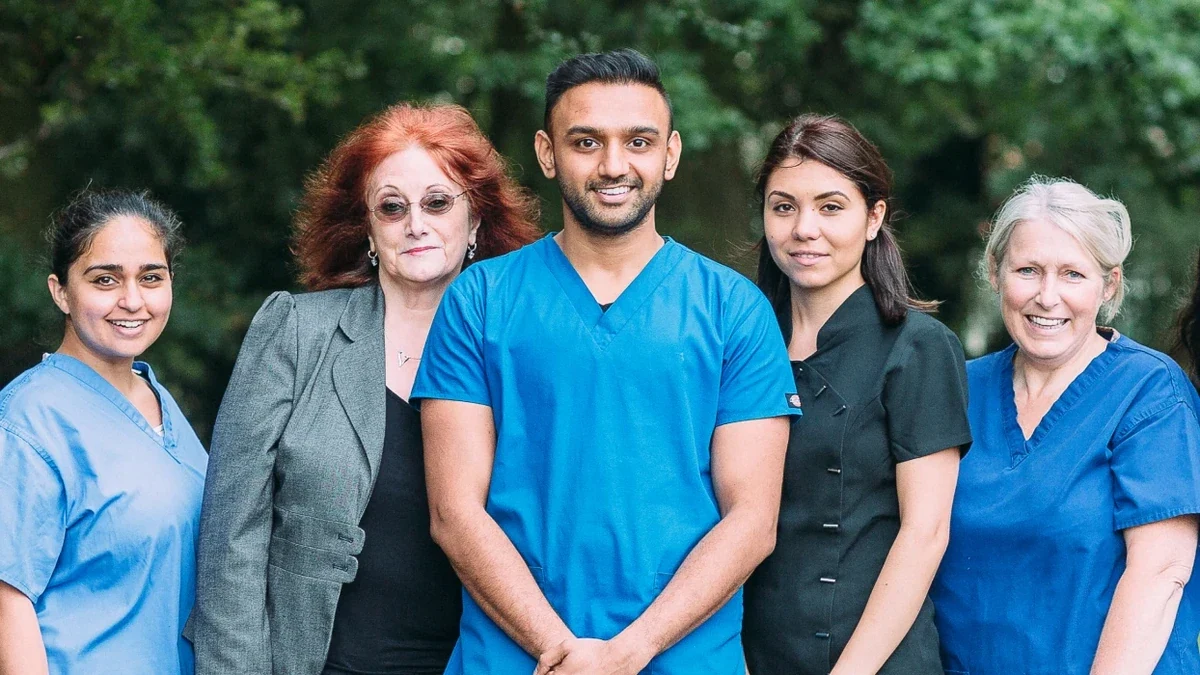
A second opinion can help clarify diagnosis, alternative procedures, prognosis and costs before extensive or irreversible treatment. It is particularly useful when a tooth is to be removed, a full-arch plan is proposed or the clinical options are uncertain. It should inform a decision, not promise that every disagreement has one simple answer.
Reasons a second perspective may help
Complex cases can involve judgement about restorability, periodontal prognosis, orthodontic sequencing, imaging and acceptable risk. Different treatment paths may each be reasonable because they prioritise different trade-offs. The relevant question is which evidence supports the plan and how each pathway affects the patient over time.
Bring complete relevant records
Share available radiographs, periodontal charting, the written proposal and details of previous treatment. A second clinician still needs an appropriate examination and may identify missing information. Comparing opinions based only on price lists or photographs can create more confusion because the underlying diagnosis and scope may differ.
Urgency matters
A second opinion should not delay emergency management of severe infection, uncontrolled bleeding or major trauma. Immediate stabilisation can be separated from a later irreversible elective decision when clinically appropriate. If waiting would risk harm, ask both providers to explain the time-sensitive facts.
Respect informed disagreement
If opinions differ, the clinicians may be weighing risks or suitable techniques differently. A clear explanation of the reasoning helps you compare the choices and their uncertainties. An opinion should acknowledge its limits and recommend further expertise where appropriate, without promising a risk-free result.
What to do with the information
Write down your priorities—retaining teeth, invasiveness, appearance, treatment duration, maintenance and cost—then assess how each plan addresses them. Ask for clarification of any material contradiction in clinical findings. You remain entitled to choose or decline suitable options after an informed discussion.
A second opinion should answer a different question
Before several teeth are removed or extensively prepared, a second opinion can examine the diagnosis and whether a more conservative route meets the same aims. It may focus on a tooth's outlook, stable gum support, sequencing orthodontics before restoration or the anatomy for an implant. Comparing these findings gives meaning to the fee comparison. Reasonable clinicians may reach different conclusions where evidence leaves room for judgement.
Bring the information that makes the comparison fair
Take the written treatment plan, relevant radiographs, periodontal charting, medical information and any photographs or scans provided. The second dentist will still need to examine you and may recommend further records if the existing ones are inadequate or no longer current. Sharing the original reasoning avoids a false impression that two treatments were offered for the same diagnosed problem when important findings differ. Ask the second team to explain any changed diagnosis explicitly, rather than simply offering a competing smile design.
Distinguish a second route from a delay tactic
Spreading infection, significant trauma or an urgent medical concern needs prompt management. In a stable situation, taking time before an irreversible decision may be useful, sometimes with a temporary restoration or replacement to maintain function. Further opinions are most helpful when they clarify a specific uncertainty rather than repeatedly restart investigations. The aim is to understand the suitable choices and their risks well enough to decide.
Compare complete plans on equal terms
Write down the trade-offs that matter: preserving teeth, avoiding surgery, time away from work, aesthetics, maintenance, total financial commitment and future repair options. Then ask both clinicians how their proposals address each point. A smaller intervention may offer less dramatic immediate change but preserve more choices later. A comprehensive route may be justified when substantial disease or structural damage is present. Ask who will deliver and maintain each stage. The GDC's patient-communication standards require discussion of reasonable options, including no treatment where appropriate, so an understandable comparison is a normal part of proper consent rather than a challenge to professional authority.
Further clinical details: Planning complex dental treatment: when a second opinion helps
If you are considering implants, crowns, tooth repairs or orthodontics together, a second opinion can help clarify your choices before you commit. Ask which treatments are necessary, which are optional and what can be staged.
Start with the decision that could change
Before starting complex treatment, a second opinion can help answer the question that matters most to you. Could particular teeth be kept? Would straightening them first make later repairs simpler? Are there alternatives to an implant reconstruction? Being specific helps the consultation resolve your uncertainty, rather than simply producing another quotation.
Ask the team to connect the findings
Your gums, the outlook for each tooth, the space available for repairs and the design of any replacement teeth all affect one another. In advanced gum disease, European Federation of Periodontology (EFP) stage-IV guidance explains how gum treatment and rebuilding the bite can be coordinated. Your examination will establish whether that guidance is relevant and how the different parts of your plan fit together. [1]
Make the records useful to the new clinician
Bring the treatment proposal and relevant records to your planning consultation. Explain your goals, dental history, symptoms, medicines and any health changes since the original assessment. Existing scans may help, but they may not answer every current question. If another investigation is recommended, you should understand what it will add and why it is needed before treatment begins.
Compare the same endpoint
Two plans can look contradictory while pursuing different goals. One may retain more natural teeth and accept a greater repair commitment; another may propose extractions and a different prosthesis. Ask each clinician to explain the intended function, appearance, treatment burden and foreseeable maintenance. If implants are involved, identify the final teeth as well as the fixtures. The NHS implant pathway distinguishes assessment, surgery and restoration, so a comparison ending at implant placement leaves out an important part of the decision. [2]
Identify the sequence and the person coordinating it
A staged plan should explain what happens first, what needs reviewing and when the next step can go ahead. If several clinicians are involved, one person should bring the findings together and explain any change. For example, a change in the outlook for a tooth may affect both the repair design and the timing of surgery. Our team and location pages can help you understand who would provide each stage and where. [3][4]
Leave with reasons, alternatives and a review point
Ask what the second clinician agrees with, where the recommendation differs and which finding explains the difference. Obtain an estimate that includes temporary care and the process for agreeing additional work. If a point remains uncertain, ask when it can be resolved and how that affects the immediate choice. A useful opinion can recommend further assessment without promising a final answer at the first visit. It should also distinguish an elective decision that allows consideration from symptoms requiring prompt dental attention, so seeking another view does not become an unplanned delay in necessary care.
The main consideration:
You should be able to see how each stage contributes to the result you want. If findings change, the coordinating clinician should explain what that means for the whole plan.
Research and guidance
Your next step, when you’re ready
We would be pleased to welcome you for a £30 consultation at your preferred Iconic Smiles practice. Bring your questions, and we can talk through the options that may suit you.
Any additional investigations and their fees will be explained before you decide.