
Bonding, veneers and whitening
Repairing several teeth and rebuilding your bite: a guide
When extensive dental problems affect function and supporting tissues, treatment may require several disciplines.
Discover what could suit your smile
Whether you are thinking about colour, shape or a subtle change, a £30 consultation is a welcoming place to share your ideas, ask questions and explore a personalised approach.
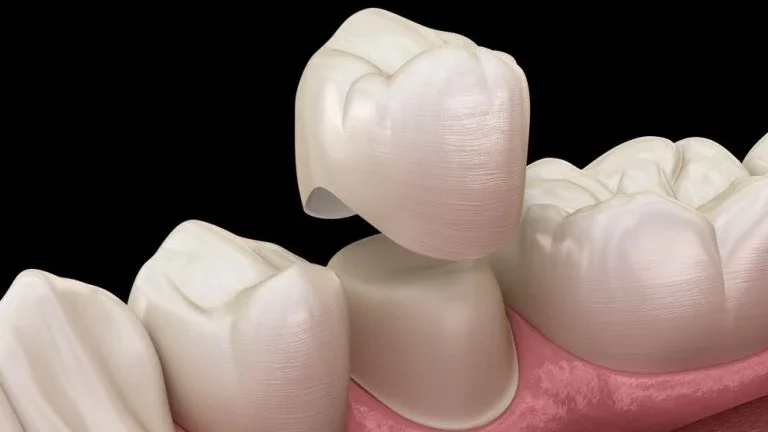
Rehabilitation is a coordinated plan
Repairing several teeth may need a coordinated plan for tooth support, chewing and appearance. Advanced gum disease is one situation where several disciplines may work together: European stage-IV guidance addresses the effects of severe support and tooth loss. That particular diagnosis does not apply to every worn or heavily repaired mouth. [1]
Identify the disease and what can be retained
The plan must establish the condition of the remaining teeth and tissues before choosing the final restorations. In advanced periodontal cases, the guideline links gum disease treatment with the rehabilitation of function. Patients should understand the prognosis and the reasons for retaining or removing individual teeth, rather than accepting a makeover based only on appearance. [1]
Fixed and removable solutions belong in the discussion
Full-arch implant rehabilitation involves decisions about the prosthesis, available space, materials, medical factors and follow-up. A fixed bridge is one possible design; it is not a universal requirement. The planned teeth must be considered together with their support and the practicalities of maintaining them. [2]
Agree the sequence and decision points
Ask which treatment addresses active disease, which stages are preparatory, and when the final appearance and function will be reviewed. Discuss reasonable alternatives and what happens if you defer. Significant changes in treatment or estimated cost require a further consent discussion, rather than being assumed to follow from the initial agreement.
Measure more than the final photograph
Where implants are involved, retention alone does not establish biological health or an uncomplicated outcome. Reviews should consider tissue health and function, together with technical problems and the patient's experience. Long-term research cannot supply an individual guarantee or a practice-specific audited success figure. [3]
Existing fillings change the surface available for bonding
Where much of the original enamel has already been replaced by filling material, a veneer may be bonded partly to resin rather than natural enamel. The clinician should inspect the quality of that substrate and the extent of existing cracks or leakage. A patient with extensive wear or heavy bite forces may need an alternative design. The presence of old composite does not mandate removal, but it should be explicitly included in the consent and maintenance discussion.
What would justify a different choice?
Short front teeth and older back-tooth restorations need a bite assessment even when there is no jaw pain. The clinician checks wear, the height of the bite, grinding history and tooth contacts. Trial additions or mock-ups can help compare limited repairs with a more extensive crown plan and show what finding would change the recommendation.
Compare extraction and implants as a complete alternative
Replacing a tooth is not a way to avoid all biological and technical risk. NHS implant information describes possible grafting, integration failure and later component wear or loosening, alongside alternatives such as bridgework and removable replacement. Ask how these commitments compare with the realistic treatment needed to retain the tooth. A pooled implant survival rate does not by itself answer whether extraction is appropriate for an individual tooth. The comparison should include the surgical burden, temporary period, definitive restoration, ongoing care and consequences if either chosen route later needs further intervention. NHS patient information
Compare complete plans for the diagnosed needs
A full-mouth consultation can produce very different proposals, but comparison is difficult unless each addresses the same findings and priorities. Ask which teeth are maintainable, which need further assessment and why any extraction is recommended. Consent should explain relevant alternatives and their consequences. One plan may preserve more teeth, another may involve different restorations and another may introduce implants. None is justified simply by being the least or most extensive. You need to understand how each manages the actual disease and damage, what it aims to improve and which compromises or uncertainties it leaves.
Material choices vary from tooth to tooth
A heavily restored molar and a healthy front incisor need not receive the same type of treatment. Some teeth may benefit from direct composite, others from partial-coverage ceramic, and some from crowns or implant-supported replacements. Using identical materials across the entire mouth can be convenient for marketing but may remove unnecessary tooth structure. The dentist should explain why each tooth is being covered, preserved or left untouched. The selected material must fit the bite and cleaning requirements as well as the desired shade. Maintenance planning should begin before the final laboratory order.
Address disease with the relevant treatment pathway
Periodontal disease and pulpal or apical disease require diagnosis-specific management. EFP periodontal guidance and the European Society of Endodontology guideline address different conditions and treatment decisions. Ask what needs treatment now, who provides it and how the response will be assessed. Do not assume that a tooth needing root canal treatment must be removed, or that completing one treatment automatically resolves every structural concern. The sequence should allow the relevant findings to inform prognosis. Where more than one clinician contributes, clarify how their assessments are brought together rather than left as unrelated recommendations. Read the supporting clinical study · Read the supporting clinical study (2)
Understanding vertical dimension
The distance between the jaws when the teeth meet can be altered during more extensive rehabilitation, but doing so requires justification and assessment. A patient with worn teeth does not automatically have a collapsed bite. Tooth eruption and compensatory changes can preserve vertical relationships despite wear. Increasing restorative height everywhere merely because teeth look short may produce a difficult adaptation period or unnecessary preparation.
Make tissue health and access part of the risk plan
The EFP recommends preventive measures before implant treatment and supportive care after restoration. A full-mouth proposal should therefore consider whether the patient can clean and maintain the actual design, not only how it looks. Ask for the intended home routine, review arrangements and a contact plan for new bleeding, swelling or component movement. At Iconic Smiles, request an itemised estimate that includes the relevant stages and identifies additional care where possible. A balanced plan explains risks in a way that helps you choose; it neither minimises them nor assumes that every complex case must end badly. Read the supporting clinical study · See our current treatment fees
Understand the scope of additive composite
Direct composite can sometimes restore lost form without following the same preparation route as a full crown. A systematic review of selected localised anterior wear cases supports a short- to medium-term role, while reporting substantial variation and a need to consider maintenance. It is not proof that every severely worn mouth can be rebuilt by the same technique or kept indefinitely without repairs. Ask which teeth and objectives the proposed composite approach addresses, what compromise is expected and how chipping or wear would be managed. A conservative option deserves balanced expectations, not a promise that less intervention means no future treatment. Read the supporting clinical study (2)
What to ask before accepting a large treatment plan
Can some teeth be monitored rather than restored? Which need full coverage, which could accept additive composite and how will the proposed bite be tested? Is the primary aim appearance, comfort, chewing efficiency or prevention of further damage? Request a staged, itemised plan with realistic alternatives. An impressive result is not measured by the number of crowns fitted, but by how much function can be restored while conserving sound tissue.
Connect prevention and necessary health treatment
Where a contributing process is identified, clarify the appropriate advice, management and review before or alongside reconstruction. Government guidance describes chemical and mechanical influences and the role of risk-factor assessment. Restoring visible form does not automatically remove them. If disease, a fracture concern or another health question needs attention, ask how it affects readiness and sequence. Preparation should answer a clinical question rather than be a set number of visits leading automatically to clearance. The patient needs to understand who coordinates relevant care and which finding could change the proposed next intervention. Supporting source (www.gov.uk)Read the supporting clinical study (2)
Compare maintenance as part of the initial choice
Ask what would be repaired locally, what could need replacement and how the proposed treatment can be cleaned and reviewed. Where several treatment types are being combined, request one coordinated sequence and complete estimate. Future care should be discussed before irreversible preparation, especially if the plan involves many otherwise retainable teeth. Read the supporting clinical study
Make irreversible choices visible tooth by tooth
Preparation, extraction and different restoration designs have consequences that need explanation. Ask why each proposed intervention is proportionate and which reasonable alternatives preserve suitable structure. A whole-mouth label should not make individual decisions disappear. Veneer guidance describes the intervention and care considerations for that category, while consent guidance requires relevant benefits, risks and alternatives. A broad package or idealised image cannot establish that every tooth needs equal coverage. Conversely, avoiding all preparation at any cost is not automatically appropriate if the assessed tooth has a different structural or disease-related requirement. Supporting source (www.dentalhealth.org)
Decide where orthodontics belongs
Moving teeth can sometimes improve restorative space or reduce how much preparation is needed for veneers and crowns. It can also upright teeth next to missing spaces before implant planning. In other cases the tooth position is already acceptable and orthodontics adds little value. The team should determine the optimal sequence through shared planning, particularly because integrated implants do not later move with neighbouring teeth.
Plan the intended teeth and bite as a whole
The intended reconstruction should guide decisions about implant support and the role of retained teeth. A full-arch consensus considers restorative design alongside the clinical conditions; a fixture count alone cannot describe the plan. Ask how the proposed teeth, spaces and bite relate to the positions of implants and any additional procedures. If a change in the way your teeth meet is proposed, request the clinical reason and the method of assessment. This stage should identify the intended function and realistic appearance, including limitations that cannot be solved simply by choosing a different crown material. Read the supporting clinical study
Give uncertain teeth a clear decision pathway
Sometimes the clinician needs additional assessment or another professional opinion before deciding whether a tooth can reasonably contribute to the reconstruction. Ask what question remains, how it will be answered and what the possible next decisions are. Uncertainty should be explained rather than disguised as either guaranteed retention or inevitable extraction. If the tooth has symptoms, clarify the plan for managing them while the assessment continues. This is particularly important when the future bridge, implant positions or temporary replacement depend on whether that tooth remains. An unresolved prognosis should not silently become a fixed assumption in an expensive plan.
Assess the remaining teeth individually
A worn tooth may need a different decision from a tooth with decay, a crack or an endodontic problem. Ask what can be preserved, what information is missing and how the prognosis affects the wider plan. Some teeth may need further assessment before their role as natural teeth or supports can be decided. A recommendation to remove several teeth deserves a tooth-by-tooth explanation and discussion of realistic retention options. Consent should distinguish elective changes for appearance from treatment intended to address disease or a structural problem; these do not carry identical reasons for intervention.
Consider a mixed or staged plan without assuming uniform treatment
A whole-mouth reconstruction does not have to give every tooth the same material or treatment. A plan may combine disease management, retained teeth, restorations and replacements according to the findings. Ask how the components work together and whether staging serves a clear clinical purpose. A staged approach should still provide a coherent temporary arrangement and review decisions; it should not be an unexplained sequence of additions. Likewise, an all-at-once proposal should explain its extent and alternatives. The patient’s priorities around time, intervention, function and maintenance belong in the comparison alongside the clinical requirements.
Research and guidance
- Treatment of stage IV periodontitis: The EFP S3 level clinical practice guideline.
- Recommendations for Implant-Supported Full-Arch Rehabilitations in Edentulous Patients: The Oral Reconstruction Foundation Consensus Report.
- Ten years and beyond: Long-term dental implant survival, success, and biological health-A systematic review and meta-analysis.
Your next step, when you’re ready
We would be pleased to welcome you for a £30 consultation at your preferred Iconic Smiles practice. Bring your questions, and we can talk through the options that may suit you.
Any additional investigations and their fees will be explained before you decide.