
Choosing dental care
How to Choose the Best Invisalign Provider in Hertfordshire and North London
Choose an Invisalign provider by comparing assessment, clinical experience, alternatives, treatment planning, fees and ongoing support.
Get answers before you decide
Choosing dental care should feel straightforward. A £30 consultation gives you the opportunity to explain your wishes, ask about our approach and understand your options.
ICONIC SMILES · DIAMOND APEX
Invisalign care. Diamond Apex experience.
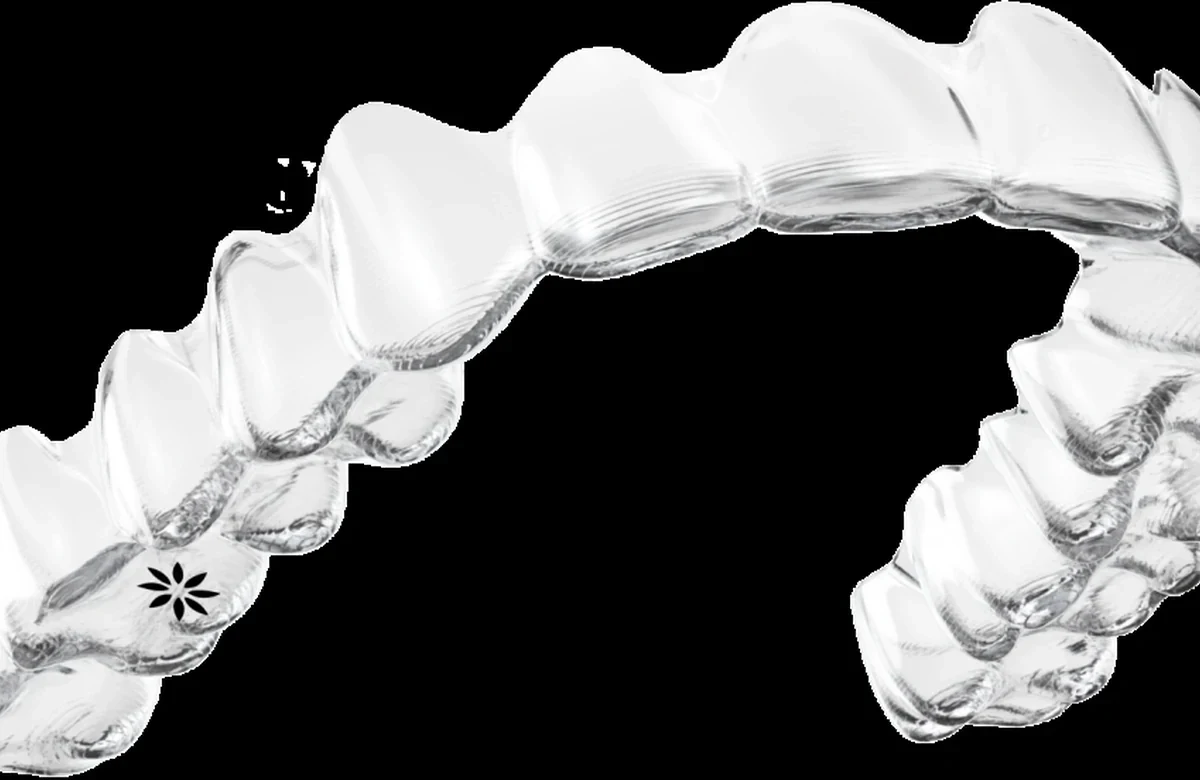
Choose Iconic Smiles, a Diamond Apex Invisalign provider serving Hertfordshire and North London, for individually planned clear aligner treatment.
What does Diamond Apex Invisalign Provider mean?
Diamond Apex is an Invisalign provider tier recognising high annual treatment volume. It reflects extensive experience with the Invisalign system. Your treatment is planned around your teeth, bite and goals, with clinical reviews and retention discussed from the outset.
Compare an Invisalign provider's assessment, relevant experience, alternatives, monitoring and retention arrangements, alongside the fee. The plan should show why aligners suit your particular teeth and bite.
Invisalign can provide discreet alignment in suitable cases, but the clinical decision comes before the trays. You need to understand the movements proposed, what they can achieve and the daily routine involved. A provider should explain those choices and when fixed braces or specialist input may be more appropriate.
This guide explains what to look for when comparing Invisalign providers in Hertfordshire, Hatfield, Cheshunt and North London.
Discover whether Invisalign suits your smile. Discuss clear aligners and other orthodontic options at an introductory consultation, from £30 where available, before deciding whether to proceed to full assessment. Book an introductory consultation · Tell us what you would like to change. Alternatively, explore invisalign.
1. Start with diagnosis, not a simulation
A digital simulation can make potential changes easier to discuss, but it illustrates a proposed plan rather than guaranteeing what will happen biologically. Teeth move in response to controlled forces within the supporting bone and gum tissues. The clinical examination matters: gum health, existing restorations, bite, tooth wear, possible decay, previous orthodontics and medical factors may influence your treatment.
Ask your dentist to explain the specific movements planned, not only show a projected smile. What happens to the bite? Is there sufficient space? Are there existing rotations, deep bite, open bite or crossbite issues that change the appliance choice?
A clinician should identify situations where orthodontic specialist input may be helpful, rather than assume that every case belongs on the same aligner pathway.
2. When should I see a specialist orthodontist?
The most useful distinction is between straightforward, well-defined movement and orthodontic presentations requiring more specialised diagnosis or mechanics. A formal GDC specialist orthodontist has completed recognised additional training and is listed in that speciality.
Dr Kishan Patel is a specialist orthodontist at Iconic Smiles, with hospital-based postgraduate training. The practice reports that appropriately selected minor cosmetic alignment may be managed through Invisalign by experienced dentists, while more complex orthodontic needs are directed to Kishan for specialist assessment.
An IOTN score alone cannot determine which appliance you need. The Index of Orthodontic Treatment Need is an assessment framework used notably for NHS eligibility. It is not a complete rule for deciding whether Invisalign can achieve the planned movements. [1]
3. Invisalign, fixed braces and other options
Clear aligners are removable, relatively discreet and rely on the patient following the prescribed wear schedule. They can be effective in suitable cases, but their predictability varies with the planned movement and the wearer's consistency.
Fixed braces remain an important option, especially where tooth movement, control or compliance considerations favour them. They have their own practical requirements, including more involved cleaning and periodic adjustments. Some patients benefit from a combined approach or specialist opinion.
The best choice is not always the most discreet appliance. Ask why the recommendation fits your bite, goals, oral health and available time.
4. What should a good Invisalign plan include?
A thorough discussion should include the movement goals; relevant dental and gum assessment; the expected treatment sequence; whether attachments, elastics or interproximal reduction are proposed; how aligner progress will be monitored; the possibility of refinements; retention after treatment; and the total fee and exclusions.
The need for interproximal reduction (IPR)—careful removal of a small amount of enamel between selected teeth to create space—should be clinically justified and explained before it is performed. It is not inherently inappropriate, nor is it a procedure to undertake simply because software suggests it. Ask how much reduction is proposed, where, why, what alternatives exist and how it will be recorded.
If you are concerned about preserving enamel, discuss possible alternatives, such as different space-management approaches, as far as they are clinically appropriate. Not all alternatives produce equivalent outcomes.
5. Why refinements sometimes happen
A refinement is an extra series of aligners or an adjustment to the plan. Tooth response, movement complexity, wear time and prediction limits can all contribute. It is not, by itself, evidence of poor planning, and a promise of zero refinements would be misleading.
Ask what the dentist considers acceptable progress, how frequently progress is assessed, what happens if teeth do not track as expected and which additional aligner or appointment costs are included in your agreement.
INDEPENDENT RECOGNITION · PATIENT EXPERIENCE
Our independent group has received national dental-practice awards and workplace recognition. These are reasons to explore our team and approach—not guarantees of any individual clinical outcome.
Explore our awards · Read patient reviews · Hear patient stories · Meet our clinicians
See what this could mean for you
A clinical assessment helps establish what your teeth and bite need before you commit to aligners. The treatment information, patient story and team details below may help you prepare for that discussion.
Explore first: Explore Invisalign · Watch an Invisalign patient story · Meet the treating team.
When you are ready: Arrange a consultation or send a Smile Enquiry.
6. The importance of healthy gums and retention
Orthodontic movement changes tooth position; it does not cure periodontitis or replace regular dental care. Gum health should be assessed before movement. Existing restorations, past trauma and underlying periodontal problems may affect treatment planning and risks.
The work also does not finish when the last aligner is removed. Teeth may move after treatment, and retainers are essential to maintaining the result. Discuss the retainer type, expected long-term wear, replacement arrangements and the costs that may arise later. The NHS emphasises the role of retainers and good oral hygiene in orthodontic care. [2]
7. Does a Diamond provider designation prove better results?
High provider-tier recognition may reflect a substantial volume of aligner treatment. It can be relevant experience, but volume is not equivalent to a published clinical success rate, and it does not establish superiority in complex cases.
A practice with good Invisalign experience should still be happy to suggest fixed appliances, a specialist opinion or no treatment when appropriate. The more useful evidence is the quality of diagnosis and treatment planning for your needs, and the transparency with which options are explained.
If a practice advertises a provider tier, confirm the current designation through Invisalign and establish what it measures. Use it as context for experience alongside the diagnosis, planned movements and supervision offered for your case.
8. How Iconic Smiles plans Invisalign
The team uses iTero scanning in its Invisalign workflow. For patients with suitable minor movement, a restorative or general dentist may lead clear aligner treatment. Dr Kishan Patel, a specialist orthodontist, provides assessment for more complex cases and can discuss alternative orthodontic approaches.
If Invisalign is part of a broader smile makeover, the team can consider treatment order: alignment first may reduce the need for later restorative alteration. This is particularly important before bonding, veneers or implant placement.
The same named dentist should remain clear throughout your agreed treatment plan, with colleagues covering when necessary. Ask about your own monitoring schedule and who will provide retention reviews.
Considering your own treatment? Reading about other patients can help you decide what to ask—but your plan must start with your own examination. Explore Invisalign · View genuine patient results · Book your first conversation.
Considering your own treatment? Reading about other patients can help you decide what to ask—but your plan must start with your own examination. Explore Invisalign · View genuine patient results · Book your first conversation.
Why patients value our people as well as our Invisalign technology
You should know how the team will explain the preview, check movement and support the routine through to retention. Clear communication with a named clinician is useful throughout treatment, alongside the information provided by a scan.
Iconic Smiles was named Best Dental Practice in the 2024 and 2026 Business Awards UK Dentistry Awards. The 2026 awarding organisation specifically highlighted our work on technology, systems and team culture. Our 2024 Great Place to Work recognition for employee development is also meaningful: it reflects the importance we place on learning and supporting the people who care for patients. (Business Awards UK — 2024 results; 2026 results; Great Place to Work — 2024 development rankings.)
Our patient reviews provide the more personal side of that story, including accounts of clear explanations and reassuring appointments. At Iconic Smiles, discreet alignment is supported by iTero scanning, a named treating dentist and access to specialist orthodontic input where the diagnosis calls for it. The ambition is a smile you feel confident about and a journey you understand from the first visit to your retainers.
9. What will Invisalign cost?
A starting price does not tell you everything. Ask whether the quote covers diagnostics, the aligner system and number of stages, attachments or IPR, review appointments, refinements, retainers and replacement appliances.
Iconic Smiles publishes Invisalign starting prices on the fees page. Your treatment estimate should specify the exact plan and inclusions. A £30 introductory consultation offers an initial conversation and examination but does not include radiographs, CBCT or a complete orthodontic work-up; availability and the need for subsequent investigations must be explained.
10. Questions to ask before you start
- Why are clear aligners suitable for my bite rather than fixed appliances?
- Is a specialist teeth-straightening assessment appropriate in my case?
- Which movements are less predictable, and what is the contingency plan?
- Will IPR, attachments or elastics be necessary and why?
- What follow-up appointments and refinements are included?
- What retainer system and maintenance plan will I need afterwards?
Your next step with Iconic Smiles
Before starting, compare the diagnosis, appliance options, daily commitment and total treatment inclusions. An initial conversation can lead to further clinical assessment if needed; establish the investigations and fees before agreeing to them.
Ready to talk? Book a consultation at your preferred practice · Send a Smile Enquiry.
Want to explore first? Explore Invisalign · Real results · Patient stories · Patient reviews · Meet our team · Awards and recognition · About Iconic Smiles · Fees.
Frequently asked questions
Is Invisalign always faster than braces?
No. Duration depends on the movements required, the tissues' response, the appliance mechanics and prescribed wear. Speed is one consideration alongside whether the method can achieve a suitable bite.
Is IPR the same as aggressively shaving teeth?
IPR is a controlled reduction of enamel between selected teeth when justified. The dentist should explain the amount, locations, purpose and alternatives before it is done. Excessive or inappropriate removal is a concern because enamel does not regrow.
Do Invisalign results last forever?
Teeth can move after active treatment. Long-term retainer use and maintenance are part of treatment planning.
Can Invisalign be combined with bonding?
Often, yes. Alignment may reduce the amount of bonding needed or improve the position of teeth before restorative finishing.
Is an online preview my guaranteed finished result?
No. It is a planning and communication tool, subject to clinical assessment and actual biological tooth response.
Explore related guides
- How to Choose an Orthodontist in Hertfordshire and North London
- Invisalign, Bonding, Veneers or Whitening? How to Plan a Natural Smile Makeover
- How to Choose the Best Dentist in Hertfordshire and North London
Sources
- NHS — Orthodontic treatment and IOTN
- NHS — Braces and orthodontics, including retention
- GDC — Direct-to-consumer orthodontics and valid consent
- CMA — Choosing and paying for dental care
Your next step, when you’re ready
We would be pleased to welcome you for a £30 consultation at your preferred Iconic Smiles practice. Bring your questions, and we can talk through the options that may suit you.
Any additional investigations and their fees will be explained before you decide.