
Bonding, veneers and whitening
Digital Smile Design: How Your New Smile Can Be Planned Before Treatment
Digital smile planning uses records and design tools to communicate proposed changes.
Discover what could suit your smile
Whether you are thinking about colour, shape or a subtle change, a £30 consultation is a welcoming place to share your ideas, ask questions and explore a personalised approach.
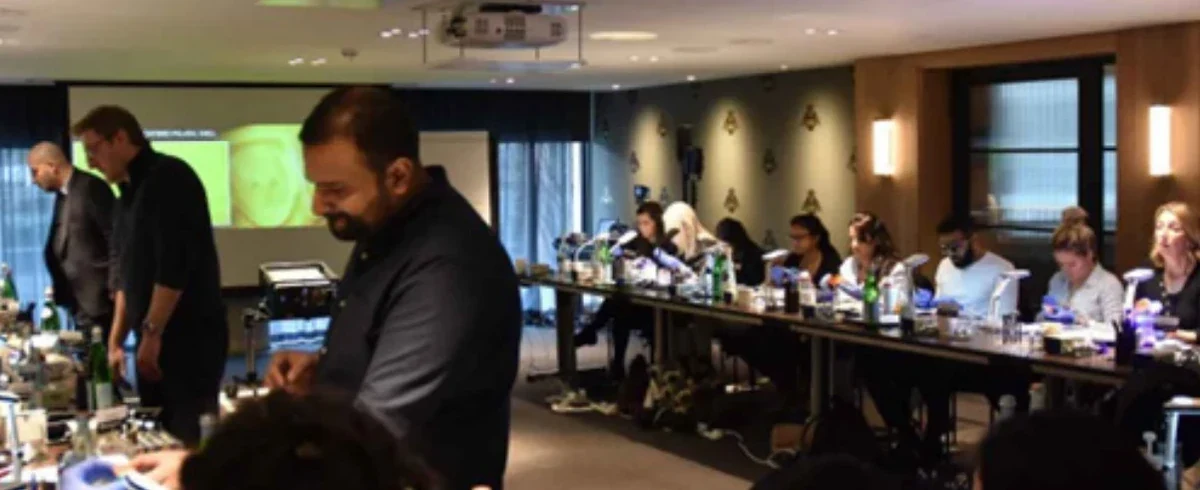
A digital plan helps describe an intended change
Digital smile design can help you explore proposed changes before treatment. At Iconic Smiles, photography, digital designs, mock-ups and laboratory planning help you discuss proportions and tooth positions. What you see is an illustration of the plan, with its own assumptions and limits. [1]
Clinical findings determine what is appropriate
The suitability of a cosmetic or restorative change depends on examination and the treatment options, not only how attractive a simulation looks. Ask what changes the proposed design requires, which are irreversible and whether alternatives could meet the same priorities. The clinician should explain the benefits, risks and likely prognosis.
Different digital tools answer different questions
The practice describes intraoral scanners, CBCT imaging and guided implant planning as parts of its group workflows. A surface scan, an image of the internal anatomy and a visual smile design serve different purposes. Ask which records are needed for the question being investigated rather than assuming every patient needs every technology. [1]
Planning accuracy and long-term outcomes are separate
An umbrella review of guided versus freehand implant surgery found improved placement accuracy with guided approaches, while implant survival and marginal-bone outcomes were comparable in its synthesis. This illustrates why better measurement or positioning should not be converted into an unconditional guarantee about every clinical outcome. [2]
Make the preview useful to you
Ask the team to show which parts of the design are intended goals, which depend on clinical feasibility and what may change during treatment. Confirm the proposed stages and the complete written estimate. A clear preview supports an informed conversation; it does not replace the assessment or consent process.
What photographs cannot tell you about gums and lips
Changing tooth length or inclination can alter how a smile looks within the lips, but dentistry cannot reliably promise a particular lip shape or facial transformation from a simulation. Gum levels and visible tooth proportions also matter. Digital smile-design tools are useful for talking through preferences, not guaranteeing that tissue or muscular responses will match an image.
Relevant reading: nhs.uk
Further questions to consider before treatment
- Photography may help dentists and laboratories plan the colour and proportions of new cosmetic restorations.
- Ask how treatment photographs would be used, stored and shared as part of planning your smile.
Digital does not remove the need for conservative choices
A well-designed simulation might propose eight veneers. The question is whether eight veneers are justified. Could whitening improve the colour first? Would limited bonding improve one or two proportions? Would alignment move crowded teeth into a position where little restorative work is needed? Conversely, badly fractured or heavily restored teeth may genuinely need ceramic rehabilitation. The presentation should let patients compare a simpler option and a comprehensive option, including the differences in cost, reversibility and likely replacement burden.
Testing lip support and speech beyond the photograph
A smile design can suggest how longer teeth may be framed by the lips, but photographs cannot fully reproduce natural speech, muscle tone and changing facial expressions. If proposed ceramic changes tooth thickness, a mock-up may reveal whether the lip feels different during conversation. Gum-line symmetry may influence the result, yet its correction requires a periodontal assessment. Patients should see the design as a hypothesis to be tested rather than a guaranteed preview of the final face.
From preview to definitive work
The final result still depends on laboratory design, fit, material, bonding, bite adjustments and how you adapt. A phone screen cannot specify a reliable tooth shade. Trying in the restoration, discussing consent and checking it clinically remain important after a digital design is agreed.
Connect the preview with the proposed treatment
Ask whether the change being proposed is primarily tooth movement, restoration, gum treatment or some combination. A mock-up can reveal unwanted bulk before irreversible preparation. The most convincing plan explains the limitations of photographs and shows how the proposed teeth should function as well as look.
What traditional planning already involves
Thoughtful cosmetic dentistry has long used examination, photographs, diagnostic models, laboratory communication and temporary mock-ups. Digital tools can add faster visualisation and editable models, but the core clinical questions remain: are teeth healthy, what tissue might be removed, will the bite tolerate the proposed shape and how will the result be maintained?
Can smile makeovers change the appearance of lips?
A smile makeover changes tooth display and support but does not replace facial treatment. Lip appearance can change subtly with the contour and support of front teeth, but dental treatment cannot predictably reproduce cosmetic lip filler effects. Restoring front-tooth support may alter where the lip rests, but this varies with soft tissues and facial movement. A temporary mock-up can help evaluate the visible change before irreversible work.
A preview cannot see everything
A two-dimensional photograph does not disclose root positions, existing fillings, enamel thickness or the full way teeth meet during chewing. Scans are excellent at recording visible tooth surfaces but cannot by themselves diagnose bone support or every structural problem. Sometimes a diagnostic mock-up transferred to the teeth allows the patient to experience proposed length or volume and notice speech changes that a screen cannot convey. A clinician should distinguish a visual planning aid from a reliable prediction of biological and mechanical outcomes.
Gum contour versus tooth contour in smile design
Uneven gum margins can make teeth look short while uneven tooth edges can create the same impression for a different reason. Assess gum levels, tooth wear, lip movement and periodontal support. Assessment should separate tissue level, tooth wear and tooth position before suggesting gum contouring, bonding or orthodontics. Orthodontics, restoration or selective gum changes can address different causes. Altering tissue to copy a digital template may create unnecessary risk. A composite edge that looks balanced when the mouth is open may take excessive load during protrusion, sideways jaw movement or clenching. Changing a gumline without examining attachment levels risks unnecessary surgery; changing an edge without checking bite risks fractures. Agree what can be improved without irreversible cutting.
Digital planning is useful when it reveals a decision
Photographs and intraoral scans can help compare a proposed change with the current smile. For example, software may show that closing a gap by making each front tooth wider produces an unnatural proportion, whereas a little orthodontic movement would create a more balanced result. That insight is clinically useful. A heavily filtered smile simulation that simply makes all teeth white and identical is not. Ask the dentist to show what assumption is being tested: tooth length, gum symmetry, alignment, smile width or the relation between the new edges and the lower teeth.
Digital smile design: planning versus prediction
Digital smile design brings photographs, proposed tooth outlines and measurements together so you can discuss an intended look. It cannot predict exactly how gums will heal, teeth will move or materials will appear in every light. Mock-ups and temporary restorations can test selected features before irreversible work. The team should identify simulations as illustrations, explain their uncertain parts and discuss possible changes after a trial.
What digital tools add
Surface scans and photographs can help compare dimensions, display a proposed design and communicate with a laboratory. Where appropriate, a mock-up can transfer selected elements of a plan to the mouth. A digitally straightened image is an illustration, not evidence that a tooth can move by the predicted amount or that veneers can safely achieve that contour.
How to protect natural tooth structure
Some aesthetic concerns can be addressed with alignment, whitening or limited composite rather than extensive ceramic preparation. A digital mock-up can help compare options, but an ethical plan states the biological cost of each. Patients should know whether they are viewing a reversible trial, a proposed final restoration or an image that requires substantial preparation.
From a screen to a restoration you can live with
Laboratory communication, shade selection, occlusal refinement and finishing remain important whether the initial design was made digitally or in wax. Phone displays can distort shade perception, so a simulated white tooth is not a reliable final colour match. Gum healing may also alter the visible result over time. Ask who approves the final proportions, what changes can be made at a try-in, and what happens if an aesthetic expectation is not achievable without unreasonable loss of tooth structure. Digital workflows work best as tools for shared decisions, not as substitutes for diagnosis or craftsmanship.
Research and guidance
Your next step, when you’re ready
We would be pleased to welcome you for a £30 consultation at your preferred Iconic Smiles practice. Bring your questions, and we can talk through the options that may suit you.
Any additional investigations and their fees will be explained before you decide.