
Bonding, veneers and whitening
The Science of a Natural Smile: Tooth Proportions, Shape and Colour
A natural-looking smile comes from a coherent relationship between the teeth, gums, lips, face and the individual person.
Discover what could suit your smile
Whether you are thinking about colour, shape or a subtle change, a £30 consultation is a welcoming place to share your ideas, ask questions and explore a personalised approach.
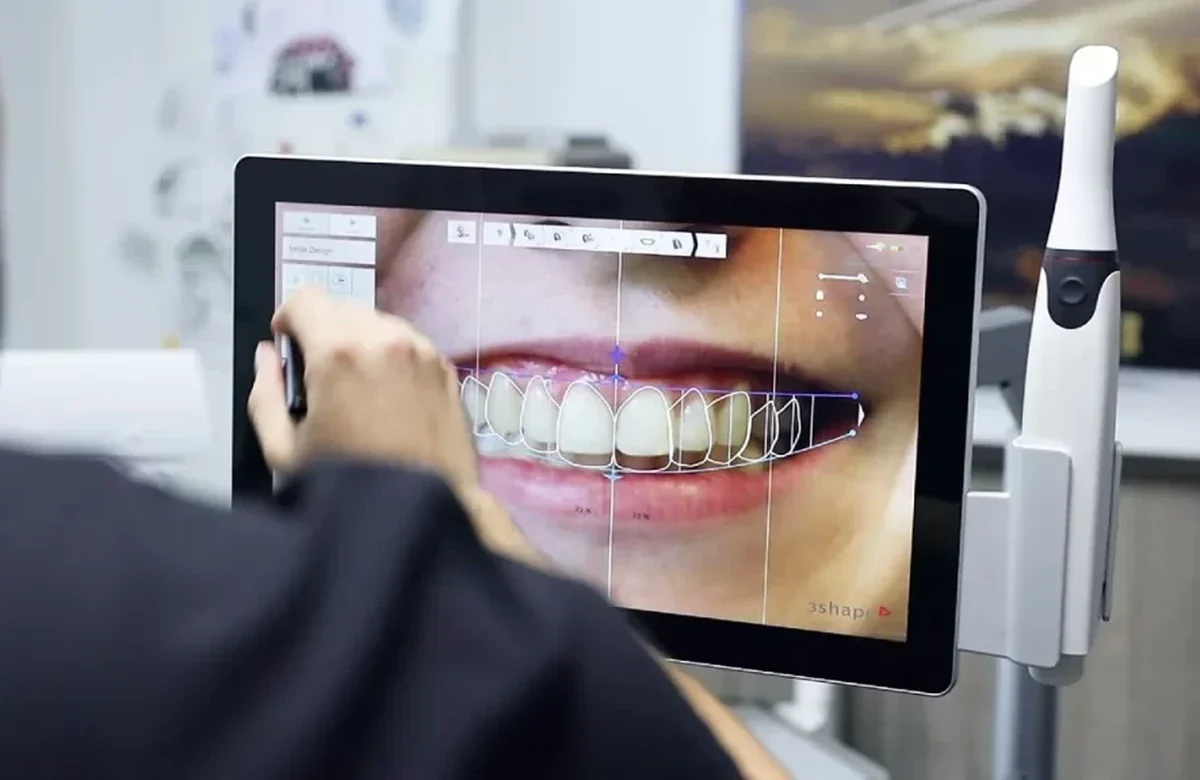
A natural-looking smile depends on how tooth shape, colour and position work with your gums, lips and face. The right result is individual: healthy teeth need not have identical edges or shades, or follow a fixed mathematical arrangement. Planning should establish what you want to change and what is worth preserving.
Tooth proportions and visual rhythm
The front teeth have different roles and shapes. Width-to-length relationships, incisal edge contours and the progression from central incisors to canines affect perceived harmony. A design that copies identical shapes across the arch can look uniform but unnatural. Facial photographs and a relaxed smile can help evaluate the result without treating aesthetic preferences as medical diagnoses.
Colour includes more than brightness
Natural teeth differ in translucency, depth of colour and surface texture. Light, hydration and neighbouring colours also change their appearance. When choosing ceramic or composite, the dentist considers the teeth around it and the colour beneath it, alongside the shade guide.
The gums form the frame
The gum line, tissue thickness and small areas of gum between teeth affect visible tooth length and any dark spaces. A restoration that is too bulky or difficult to clean can compromise gum health. The design needs to respect these tissues and leave access for daily cleaning.
The bite determines what is durable
An attractive edge can be mechanically vulnerable if it contacts the opposing teeth unfavourably or the patient has severe wear habits. Sometimes alignment or stabilisation should precede restorative additions. Digital design and mock-ups can explore options, but the final plan requires clinical feasibility and informed discussion of maintenance.
Function should validate the visual design
Tooth edges participate in speech and chewing. A shape that appears ideal in a static image can alter contact with the opposite arch or feel uncomfortable during speech. A trial where appropriate should therefore consider movement and bite, while recognising that simulations are approximate tools.
Avoid artificial symmetry at any cost
Small differences between healthy teeth can be part of your smile's character. Removing every asymmetry may require treatment to several sound teeth. A clear brief helps distinguish the changes that matter to you from tiny details that appear more conspicuous in an enlarged photograph.
Before making a decision
Identify which features you value about your own smile before selecting changes. Ask for a natural result that preserves individuality and avoids irreversible treatment where a smaller intervention will meet the goal.
Will missing back teeth change your facial appearance
Visible changes vary greatly and should not be predicted from tooth count alone. In practical terms, discuss tooth replacement for function as well as appearance.
Natural proportion is contextual, not a fixed mathematical ratio
A photograph showing six perfectly equal-looking front teeth can be visually striking but need not be the correct template for another person. Tooth length, the position of the incisal edges, the visible gum line, lip mobility and the amount of tooth shown at rest all affect the smile. A narrow lateral incisor might be a normal variation rather than a defect requiring a veneer. Similarly, a symmetrical outline on a static digital image may look unnatural in conversation if it ignores how the lips and jaw move.
For bonding or porcelain, the assessment considers wear, remaining enamel and the forces on added material. Composite and ceramic have different repair and maintenance needs. Orthodontics may improve position while preserving healthy enamel, but involves treatment time and later retention. Whitening changes natural tooth colour rather than shape and does not whiten existing restorations. A suitable mock-up can help compare the relevant options, with these limits explained.
The appropriate goal is an outcome that looks coherent with the person's face and can be maintained, not a universal shade or an arbitrary tooth-width ratio.
Plan colour and contour in the right sequence
A veneer chosen to match the teeth before whitening may look too dark once the surrounding natural teeth have been lightened. If whitening is appropriate, treatment planning can account for shade settling before definitive composite or porcelain work. For a single front tooth, colour matching is particularly demanding because translucency and the colour of underlying tooth structure both influence appearance. An excessively opaque ceramic can conceal darkness but appear flat in changing light.
The proposed shape should also be checked during speech, lip movement and biting, with enough room for the new edge. An attractive shape in a still photograph can collide with an opposing tooth or chip under load. A mock-up or temporary stage helps discuss this, while remaining a trial rather than proof of long-term performance.
Sources and professional guidance
Applying the information:
Your next step, when you’re ready
We would be pleased to welcome you for a £30 consultation at your preferred Iconic Smiles practice. Bring your questions, and we can talk through the options that may suit you.
Any additional investigations and their fees will be explained before you decide.