
Bonding, veneers and whitening
Can You Whiten Bonding or Veneers? What Actually Changes Colour
Whitening gels can lighten natural teeth, not composite or porcelain. Learn how to avoid mismatched shades when planning cosmetic treatment.
Discover what could suit your smile
Whether you are thinking about colour, shape or a subtle change, a £30 consultation is a welcoming place to share your ideas, ask questions and explore a personalised approach.
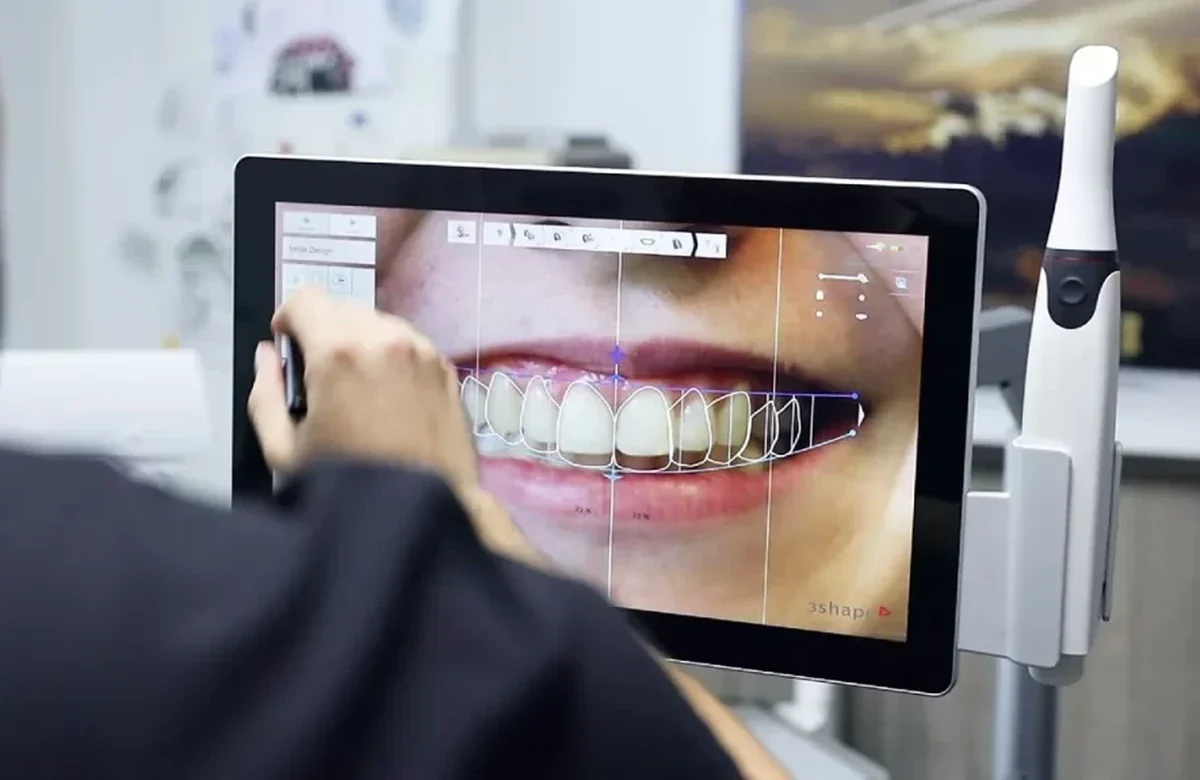
Whitening can lighten natural teeth, but it will not predictably lighten composite bonding or porcelain veneers to the same shade. If you are considering a brighter smile, identify which visible teeth have restorations before choosing the sequence. Cleaning, polishing or selected restorative treatment may be relevant where the restoration itself has changed colour.
Natural teeth and restorations react differently
If your natural teeth have darkened but an old veneer still looks pale, it is tempting to assume that a stronger whitening gel will even everything out. That usually misunderstands the materials. Tooth whitening agents act on colour-producing compounds within natural dental tissues; they do not reliably alter the intrinsic shade of composite bonding, ceramic veneers or crowns. The NHS makes this distinction explicit. The restoration may become cleaner if surface deposits are removed, but a cleaned veneer is not the same thing as a bleached veneer. Planning should therefore start by identifying which visible teeth are natural and which contain restorations.
Why polishing sometimes looks like whitening
Composite resin can collect surface staining from pigments and develop a rougher texture as its polish wears. Professional finishing and polishing may remove superficial colour and restore gloss. Porcelain usually has a different surface finish and staining behaviour, depending on its glazing or polished state and whether exposed cement or margins are involved. A dark line near a veneer edge may reflect surface stain, a marginal issue or the shade of underlying tooth structure; it should not be diagnosed from appearance alone. A dentist can determine whether cleaning, polishing, repair or replacement is appropriate, rather than promising that one bleaching product will correct every mismatch.
The safest sequence for a new smile
If a patient plans whitening and new bonding together, it is often sensible to whiten natural teeth first, allow the resulting shade to stabilise, then select a composite shade to match. The interval is not an arbitrary marketing delay: bleaching may alter immediate adhesive conditions and the final perceived colour may settle after treatment. The appropriate timeline depends on the product, treatment and clinician's protocol. New porcelain work likewise needs to be colour-matched against the intended final tooth shade. Placing bright restorations first and whitening later can leave an uneven smile if surrounding natural teeth do not reach the chosen shade.
What if the bonding is already stained?
A small discoloured area may be treated by professional polishing or localised repair. If the entire composite restoration has aged or developed deep colour change, replacement may give a more consistent result—but removes or modifies material and can create further maintenance commitments. Some stained margins are associated with a surface defect or secondary decay, which needs examination. Do not repeatedly abrade the tooth with charcoal powders or harsh household cleaning agents. Abrasives can roughen surfaces, promote further stain retention and damage tooth tissue. The cosmetic treatment should be guided by condition and function, not simply the availability of a more aggressive product.
Can whitening damage porcelain or bonding?
A bleaching tray may cover teeth with veneers or bonding, but the gel still will not predictably change their body colour. A clinician should assess gum health, exposed root surfaces, sensitivity and the fit of any whitening tray before treatment. Whitening is not recommended during pregnancy or breastfeeding in NHS patient guidance. Existing crowns, implant crowns and other restorations can create visible discrepancies after the natural teeth lighten. Attempting to compensate with ever stronger or longer treatment is not a safe substitute for a proper colour plan. Home treatment should follow professional instructions, especially where margins and sensitivity are concerns.
Colour is more than an A1-to-B1 label
Patients often choose a colour by comparing printed shade tabs or photographs. In reality, translucency, the underlying tooth, ceramic thickness, surrounding light and surface texture influence the result. A front tooth may look warmer by the gum than at its translucent edge, even with a sound restoration. Camera flash and coloured indoor lighting can exaggerate or hide differences. For a single front veneer, colour matching is often especially demanding because it sits next to a natural tooth. Ask to review the proposed shade in suitable light and clarify what can be changed after bonding or cementation; some adjustments will be limited.
A simple decision framework
If your natural teeth have darkened while restorations remain satisfactory, discuss how whitening would affect the final colour balance. If a restoration is stained, assessment can establish whether polishing is likely to help. A structurally defective veneer or crown needs a restorative decision rather than stronger bleaching. Compare costs and future maintenance before changing sound work solely for a brighter shade. The aim is an appearance that suits your expectations while preserving healthy tooth structure.
Sources and professional guidance
Applying the information:
Treatment options · Our practices · Fees and finance
Why composite resin does not whiten like natural enamel
Whitening does not change every part of a smile in the same way
Tooth whitening lightens natural teeth. Existing fillings, crowns and veneers should not be expected to lighten to the same target shade. If you have composite on a front tooth, tell the dentist before whitening starts: changing the surrounding tooth colour may make an existing restoration more noticeable. [1]
A stained surface and an underlying shade are different problems
Front-tooth composite research identifies surface stain, colour and changes in shape as reasons restorations may need attention. A darker-looking restoration does not necessarily need all its material replaced. Distinguishing a superficial stain, a local defect and an overall mismatch helps decide whether polishing, repair or a wider change is worthwhile. [2]
Do not turn a laboratory colour change into a promise
Laboratory research on single-shade composites has measured colour changes under different conditions, including bleaching. A small change in a test sample does not show that bonding will whiten like the adjacent natural tooth or match a chosen shade. Some change in the material is possible without making predictable clinical whitening a realistic expectation. [3]
Plan the sequence before choosing a new resin shade
If you want lighter natural teeth and new bonding, discuss both goals at the same consultation. Ask when the final tooth colour will be assessed, when the restoration will be matched and whether existing bonding needs any intervention at all. The schedule should follow the selected whitening and restorative plan rather than a universal internet waiting period. [1]
Check a mismatch before agreeing complete replacement
Where a restoration is otherwise satisfactory, ask what a local correction could achieve and what would justify removing more material. Repair-versus-replacement evidence has limitations and does not support replacing every discoloured restoration by default. Compare the expected appearance, preservation of tooth tissue, maintenance and total cost of the clinically reasonable options. [5]
Research and guidance
Your next step, when you’re ready
We would be pleased to welcome you for a £30 consultation at your preferred Iconic Smiles practice. Bring your questions, and we can talk through the options that may suit you.
Any additional investigations and their fees will be explained before you decide.