
Invisalign and teeth straightening
Orthodontics with Missing Teeth: Close the Gap or Replace?
When a tooth is missing, orthodontics may close the gap or create space for a replacement. Learn what should guide this treatment decision.
Talk to us about straightening your teeth
You might have a particular change in mind, or simply want to know what is possible. At a £30 consultation, we can talk through your goals and explain how the next steps are planned.
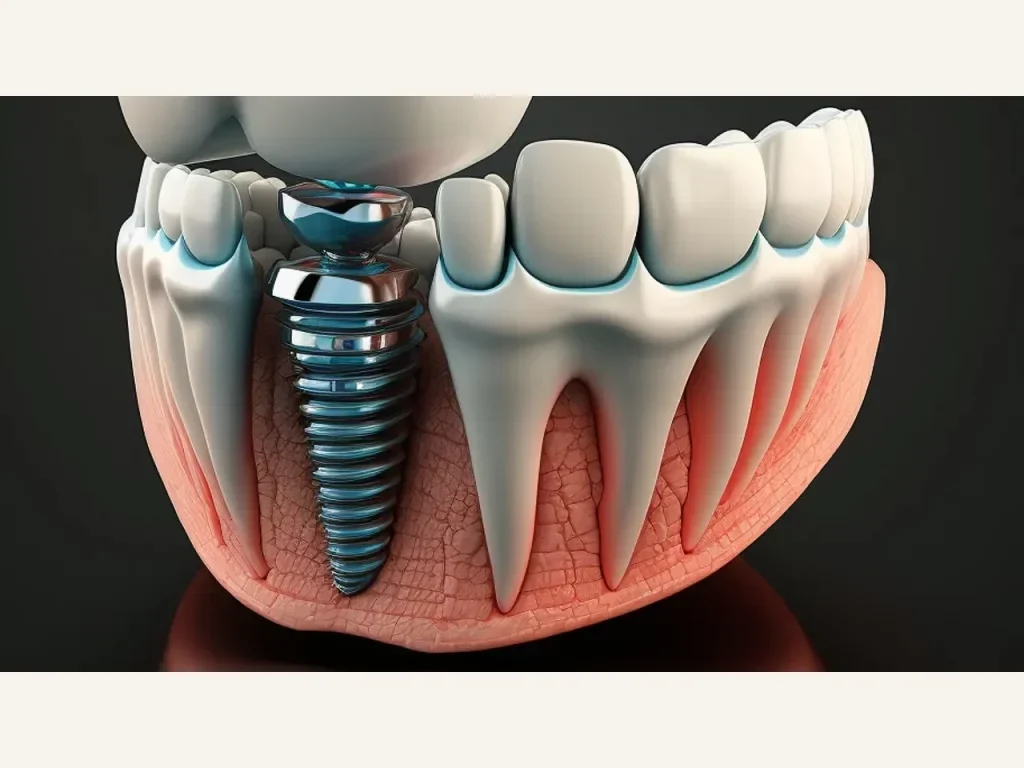
Orthodontics can sometimes close a missing-tooth gap, avoiding a replacement, or create space for a future bridge or implant. Neither is right for everyone. For a missing premolar or an upper lateral incisor that never developed, the choice can affect the smile, bite and future maintenance. Agree the aim before treatment starts, rather than deciding near the final aligner.
Why the location of the missing tooth changes everything
Closing a small space beside an upper lateral incisor can involve reshaping the canine to look like the missing tooth and adjusting neighbouring teeth to suit. This affects colour, tooth prominence, smile symmetry and functional guidance. Closing a molar gap is a different biological and mechanical task because larger teeth and longer distances are involved. An assessment should begin with the whole arch and opposing bite, not a simple calculation of millimetres.
Space closure as a definitive solution
Moving neighbouring teeth together may remove the need for a bridge or implant. The orthodontist checks whether the resulting canine and molar relationships would be stable and whether reshaping or bonding would be needed for appearance. Moving a whole molar, including its roots, is harder than tipping the visible crown. The expected time and control of those movements need to be clear.
Keeping the gap for an implant
If an implant is planned, orthodontics should produce not only adequate crown width but also suitable spacing and inclination of adjacent roots. A surface scan alone may not answer that question. The restorative dentist should show the intended replacement tooth before the orthodontist locks in the final space. Young patients may need to retain the gap until growth has sufficiently completed, meaning a temporary tooth can be part of the plan for years.
Other replacement options
A resin-bonded bridge can provide a conservative replacement in a suitable front-tooth site. Conventional bridges and removable appliances have different effects on the neighbouring teeth and cleaning routines. The decision may change if implants are medically unsuitable or if bone and gum anatomy cannot support a predictable crown. A multidisciplinary team should not present an implant as inevitable simply because orthodontic spaces can be opened.
Retention prevents losing the achieved space
A closed gap and a deliberately maintained space both need suitable retainers. Large closed spaces can be demanding to hold, while an implant space needs its width and the neighbouring crown positions preserved. If a retainer contains a temporary replacement tooth, you need instructions for a breakage or a change in fit. Retention remains part of care after the final replacement has been fitted.
Understanding the long-term trade-off
Closing the space may avoid replacement maintenance but require more complex movement or changes to neighbouring tooth shapes. Keeping a gap may suit the intended tooth arrangement but adds restorative treatment and sometimes surgery. Compare appearance, function, healthy tissue preserved, costs and likely future care for both routes. These consequences matter beyond the end of straightening.
A comparison for a missing lateral incisor
For example, an adult whose upper lateral incisor never developed may have a canine close to the central front tooth. One option could open space for a resin-bonded bridge or implant crown. Another could bring the canine forwards and reshape it, with the first premolar taking a different role in the smile and bite. Records should compare tooth widths, gum heights, root angles, canine colour and intended contacts. The implant route adds a replacement to maintain; closure changes the appearance and role of existing teeth. A dark or prominent canine, the available bone and the need for any invasive preparation may influence the choice as much as the duration of braces.
Your next step, when you’re ready
We would be pleased to welcome you for a £30 consultation at your preferred Iconic Smiles practice. Bring your questions, and we can talk through the options that may suit you.
Any additional investigations and their fees will be explained before you decide.