
Bonding, veneers and whitening
Lithium Disilicate Veneers: The Role of E.max in Smile Design
Lithium disilicate is a glass-ceramic used for veneers, crowns and other indirect restorations.
Discover what could suit your smile
Whether you are thinking about colour, shape or a subtle change, a £30 consultation is a welcoming place to share your ideas, ask questions and explore a personalised approach.
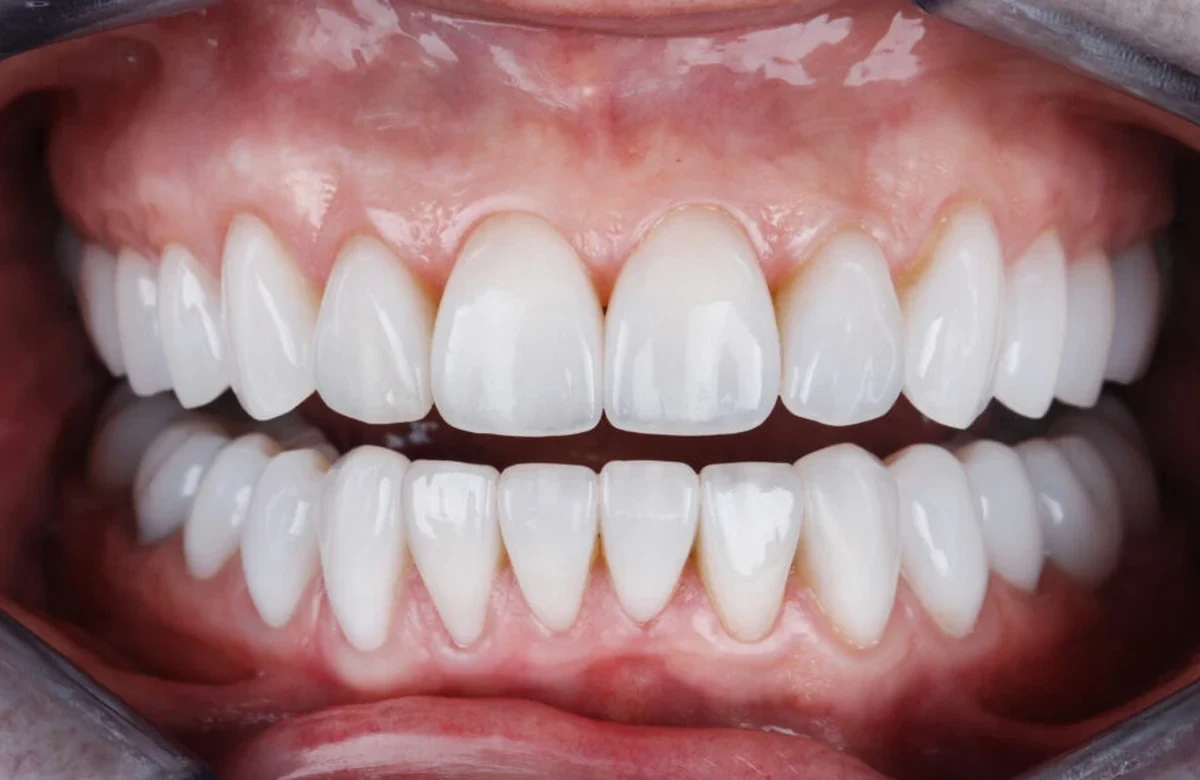
Lithium disilicate, often discussed under the E.max name, is a glass-ceramic used for veneers, crowns and other laboratory or digitally made restorations. It offers useful appearance options, but the result also depends on the tooth, preparation, laboratory design, bonding, bite and care afterwards. Choosing the material is one part of an individual clinical plan.
Think about the tooth beneath the veneer
A veneer changes the visible surface but still relies on the underlying tooth. Its colour can be influenced by discoloured dentine, a root-treated tooth or an old composite filling. When the starting tooth is light and largely intact, thin ceramic may be enough to make a subtle adjustment in shape and shade. If it is dark, the dentist must consider the opacity required to mask the substrate; increasing opacity can also reduce the natural depth of the final appearance. A diagnostic try-in helps assess the interaction between ceramic, cement and tooth colour rather than choosing a shade in isolation.
What the ceramic manufacturing route changes
Lithium disilicate can be pressed from a ceramic ingot or shaped using computer-aided design and manufacture, known as CAD-CAM, then finished. Fit, margins, surface finishing and the laboratory's work matter with either route; neither label guarantees survival. Added characterisation or surface stains may be used, while other designs rely more on internal translucency. The proposed thickness should suit the tooth and the intended appearance.
A veneer is not the same thing as a crown
A ceramic veneer usually covers the front and potentially the biting edge; a crown wraps around more of the tooth. The amount of structure removed should follow the clinical indication. Teeth with substantial existing fillings, cracks or limited sound enamel may need another type of restoration. A patient considering cosmetic veneers should expect an assessment of decay, gum condition, existing restorations and bite before preparations begin. The dentist should be able to explain why a veneer is sufficient for one tooth but a crown—or no ceramic treatment—is advised for another.
Why the bonding stage is essential
Bonding needs a protocol suited to both the glass ceramic and the tooth surface, which may include enamel, dentine or earlier restorative material. Keeping the area dry, treating the ceramic correctly and removing excess cement all matter. These technical choices belong to the dental team, with the laboratory and clinician coordinating them for your restoration. Material strength alone cannot determine how the bond will perform.
Design around speech and chewing
The proposed length of upper incisors changes how they appear when the lips are relaxed and can influence certain speech sounds. It also affects where the lower front teeth contact during jaw movements. The clinician should check overbite, wear, tooth position and the function of the proposed incisal edge. A beautiful digital mock-up can sometimes look too long once the patient speaks or bites. Trial restorations or a mock-up allow useful discussion before final placement, though they do not eliminate the need for an appropriate functional assessment.
Compare total value, not a ceramic trade name
Ask how many teeth require treatment, whether a whitening stage is recommended, which existing fillings need replacement and what restoration is proposed for each tooth. A written plan should include preparation, temporaries where relevant, laboratory fees, fitting and review. Discuss the realistic need for repairs, maintenance and eventual replacement without implying an exact lifespan for every veneer. The strongest reason to choose lithium disilicate is that its characteristics support the intended result for your particular teeth, not that 'E.max' appears in the treatment headline.
References and further reading
Book an assessment
The practices are in Hatfield and Cheshunt in Hertfordshire, and Friern Barnet in North London. For travel from Bedfordshire, Buckinghamshire or Essex, confirm the actual practice and any sites involved in later stages.
Editorially updated: 27 October 2026.
Your next step, when you’re ready
We would be pleased to welcome you for a £30 consultation at your preferred Iconic Smiles practice. Bring your questions, and we can talk through the options that may suit you.
Any additional investigations and their fees will be explained before you decide.