
Bonding, veneers and whitening
Do Veneers Damage Your Natural Teeth? Preparation, Risks and Alternatives
Veneers cover the front surface of a tooth, and preparing a tooth for a veneer can involve removing enamel.
Discover what could suit your smile
Whether you are thinking about colour, shape or a subtle change, a £30 consultation is a welcoming place to share your ideas, ask questions and explore a personalised approach.
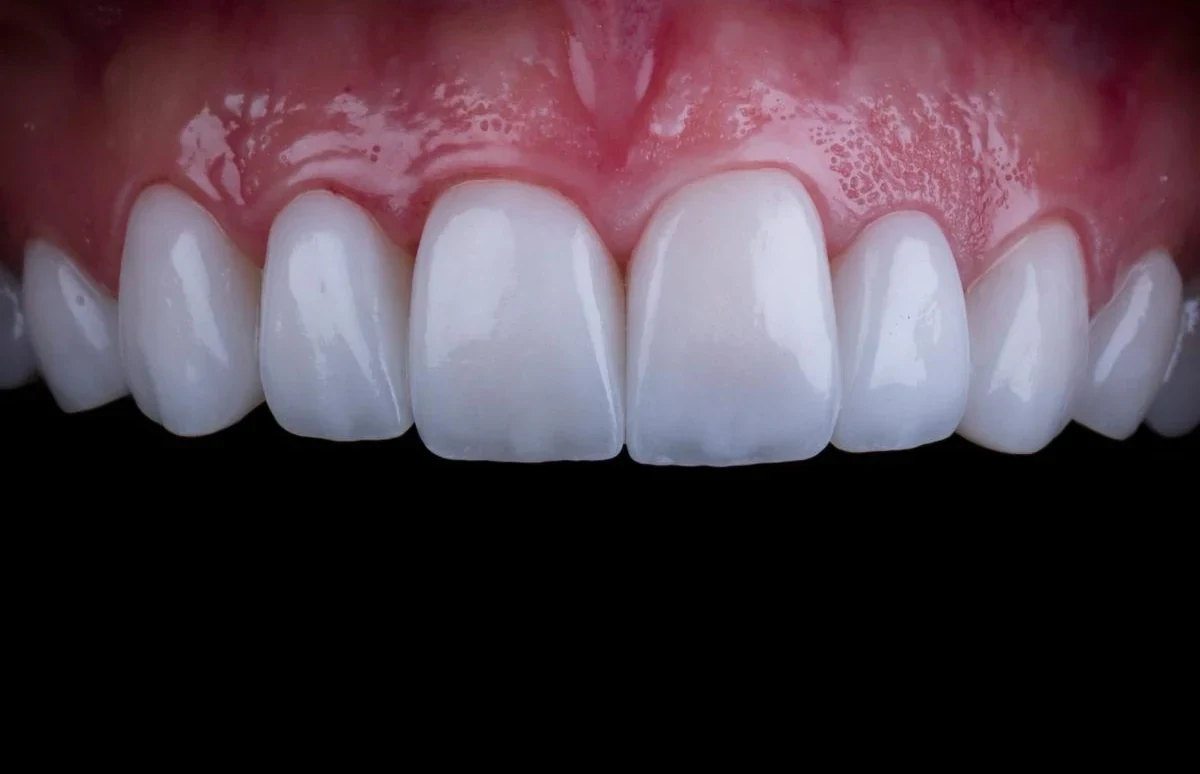
Ask what preparation is actually proposed
Veneers can involve removing enamel, which is an irreversible change to the tooth. How much preparation is needed depends on the tooth and proposed design. Your dentist should explain this tooth by tooth: a veneer is neither automatically an addition without preparation nor the same as a full crown. [1]
Irreversible change belongs in the decision
Where tooth tissue is removed, the decision has consequences beyond the first appearance improvement. Discuss the reason for preparing the tooth, the alternatives and what maintenance or replacement may be needed. Consent should include the benefits, risks, likely prognosis and relevant options before proceeding.
A good survival rate does not mean no complications
Ceramic veneer reviews evaluate survival alongside technical, aesthetic and biological events. The materials and lengths of follow-up differ. A study's result cannot guarantee that a particular veneer will last a lifetime or that the underlying tooth will never need further care. [2]
Choose a design that addresses the actual concern
Ask whether whitening, orthodontic care, composite or monitoring could reasonably meet your priorities, and why a veneer is recommended if it is. Retaining sound tissue and explaining future care are part of the choice. A photograph of the desired smile is useful for discussion but does not determine the appropriate preparation. [1]
Compare direct resin with laboratory ceramic
Composite is sculpted and light-cured directly on the teeth, often allowing selective refinishing or repair. Ceramic veneers are made from an impression or scan and bonded after laboratory or digital manufacturing. The techniques differ in aesthetic possibilities, cost, appointment stages and potential for repair. Ceramic cannot be said to be permanently stain-proof or unbreakable, while composite does not inevitably fail after a fixed number of years. Long-term success is affected by substrate, preparation, bite forces and maintenance.
The sequence from records to treatment
Planning includes assessing the tooth once unsound material is removed, preserving stable walls and recording the existing and intended colours. The team then selects suitable preparation, tries in the restoration and checks its edges and bite.
Bonding over existing composite rather than enamel
Where much of the original enamel has already been replaced by filling material, a veneer may be bonded partly to resin rather than natural enamel. The clinician should inspect the quality of that substrate and the extent of existing cracks or leakage. A patient with extensive wear or heavy bite forces may need an alternative design. The presence of old composite does not mandate removal, but it should be explicitly included in the consent and maintenance discussion.
Checking the final contour before adding ceramic
With no-preparation veneers, the dentist still has to create an acceptable final contour and determine how the ceramic edge will finish against the tooth. Very prominent teeth may look bulkier if extra thickness is placed on top without reduction. A mock-up can demonstrate this before treatment begins. If the patient expects easy future removal, explain which surfaces may still be affected by cement removal and what restoration would be needed if a veneer is later replaced.
Comparing treatment routes
Different ceramics and tooth surfaces need different bonding methods. Depending on the findings, the team may consider a different surface treatment, ceramic, more retentive design or repair instead of wider preparation. You should understand which material is proposed, the space it needs, its appearance and how it will be fixed in place.
Why shape and bite matter more than a marketing label
A tooth that already projects outwards may need space created for porcelain; simply adding a veneer could make it too prominent. A tooth set back in the arch might sometimes be restored more additively. The lower teeth must also have room to move without putting excessive load on a new veneer edge. Gum levels, available enamel and whether teeth are heavily filled influence bonding reliability. A clinician should show you a tooth-by-tooth plan, not promise “no drilling” before examining your mouth.
The clinical decision at the next appointment
The same preservation principle applies to a back tooth. For example, a molar with a broad old filling may still have two strong side walls but one weakened biting point, called a cusp. An onlay covering selected cusps may be compared with a crown surrounding the tooth. The choice depends on sound enamel for bonding, cracks and bite contacts. The plan should explain what will be tested and the alternative if the findings change.
Technical details specific to this decision
Zirconia has a crystalline structure without the glass component that common ceramic etching treatments act on. It therefore needs different mechanical and chemical surface preparation for bonding. The material also affects translucency and retention, so calling every ceramic porcelain can obscure differences that matter to your proposed veneer.
The difference between a veneer and a crown
An indirect veneer is generally an aesthetic facing, most often on a front tooth; a full crown has a different set of structural indications, such as rebuilding a heavily damaged or root-treated tooth when sufficient conservation is not possible. Some teeth are not suitable veneer candidates and may need restorative treatment of a different type. The goal should be an appropriate restoration for the tooth’s condition, not fitting every smile into one product. Balanced advertising must distinguish material possibilities from patient-specific clinical recommendations.
Agree the true long-term commitment
Composite may need polishing or local repair; ceramic veneers can also require intervention if they debond or fracture. Both need good gum health and attention to heavy bite contacts. A written plan should identify which teeth are treated, what is irreversible, the expected provisional stages and what counts as normal maintenance. Patients comparing prices should consider future repairs, retention, whitening and whether a neighbouring untreated tooth is likely to change colour over time.
How thin is a porcelain veneer?
Veneer thickness is chosen to balance strength, contour and colour masking. The term 'ultra-thin' says nothing about whether a veneer will fit the bite or mask the underlying colour. Preparation depth depends on material, shade and tooth position. The thinnest available material is not always the most suitable if the underlying tooth is dark or the bite is unfavourable.
Veneer thickness depends on the ceramic, starting colour, tooth position and available space. A thin facing bonded to enamel can suit selected teeth, but darkness may need more masking and room. Simply choosing the thinnest option can leave a poor colour match or a bulky outline if the tooth is already prominent. No single millimetre measurement suits every material and case. For each tooth, balance sound enamel preserved with the thickness needed for appearance and strength.
Bonding veneers to enamel versus dentine
Enamel provides a particularly predictable bonding surface for veneers, while bonding to dentine can be more technically demanding. Assess remaining enamel, depth of preparation and condition of tooth. Alternative restoration designs may suit heavily restored teeth. Claiming minimal preparation without showing what tissue remains is inadequate. Ask how much enamel is expected to remain and whether orthodontics or bonding could conserve more tissue in your situation. Ask to see how much enamel is expected to be preserved.
Understanding the actual decision
The deciding factor is how much sound cusp wall remains after removing defective restoration material.
What would justify a different choice?
Two veneer quotations may both say porcelain while proposing different ceramics. Before comparing them, understand the actual material, planned thickness, how it transmits or masks light and the fitting method. Those details help explain why preparation and bonding may differ.
White teeth are not necessarily natural-looking teeth
A convincing result balances incisal translucency, surface texture, line angles and the proportions of central and lateral incisors. Porcelain offers controlled optical effects when the space and underlying shade permit it; layered composite can also blend effectively in experienced hands. The dentist should discuss how a dark foundation affects masking and whether whitening or internal bleaching might reduce the need for an opaque restoration. One very bright tooth among otherwise natural teeth may be more conspicuous than an intentionally harmonised shade.
A thoughtful alternative to unnecessary reduction
If teeth are crowded or tilted, alignment first can sometimes create more favourable space for conservative cosmetic work. Where the main problem is colour rather than shape, supervised whitening may reduce the extent of ceramic required, although existing crowns or fillings do not whiten with natural enamel. Small edge defects may be repairable directly. These alternatives do not mean veneers are inappropriate; they ensure the permanent step is justified by a clear goal. High-quality cosmetic dentistry starts with a restraint question: what can be achieved without removing sound tooth tissue?
Research and guidance
Your next step, when you’re ready
We would be pleased to welcome you for a £30 consultation at your preferred Iconic Smiles practice. Bring your questions, and we can talk through the options that may suit you.
Any additional investigations and their fees will be explained before you decide.